Septic Tank Repair in Raleigh NC: Costs, Permits, Common Problems & How to Hire the Right Pro
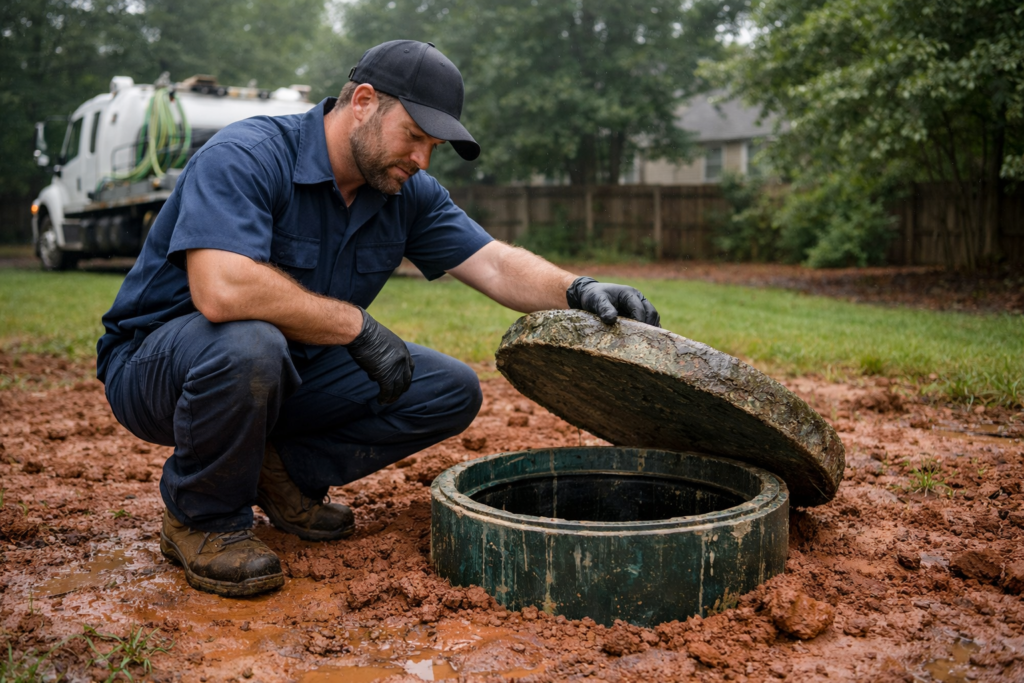
Septic Tank Repair in Raleigh NC
When you need Septic Tank Repair in Raleigh NC, the right diagnosis matters as much as the fix. Raleigh’s mix of clay-heavy soils, seasonal downpours, and pockets of higher groundwater can turn a “small” issue—like a clogged effluent filter—into slow drains, soggy yards, or sewage backups if it’s ignored. This page is built for homeowners who want practical steps, realistic cost expectations, and a clear plan for hiring a qualified septic professional.
If you’re troubleshooting a similar issue, this guide may help: Septic Tank Repair in Sarasota FL: Costs, Permits, and How to Hire the Right Pro. For background reading from a trusted source, see EPA guidance on septic systems.
What to Expect
Septic Tank Repair in Raleigh NC typically starts with a site visit to confirm whether the problem is in the tank, pipes, pump (if you have one), or the drain field. Most pros will begin with symptom review (odors, backups, wet spots), then move to targeted troubleshooting like checking the tank level, inspecting baffles/tees, and assessing flow to the field.
- Same-day triage (1–3 hours): Basic inspection, locating lids, checking filters, evaluating tank levels, and identifying obvious blockages.
- Minor repairs (half-day): Replacing a broken lid, riser, tee/baffle, effluent filter, or clearing a line.
- Complex repairs (1–3 days): Pump replacement, electrical work for alarms/controls, partial pipe replacement, or excavating for damaged components.
- Drain-field issues (variable): May require additional evaluation and coordination with Wake County environmental health if a repair/alteration permit is needed.
Uncommon but important: If your tank lids are buried, a contractor may recommend adding risers so future inspections don’t require digging—often saving money every time you pump or service the system.
Common Problems We See
Homeowners often experience the same patterns of failure—especially after heavy rain or long gaps between pumping.
- Slow drains or gurgling plumbing: Can indicate a clogged effluent filter, full tank, or blocked line.
- Sewage odors outdoors: Often tied to a compromised lid seal, cracked riser, or surfacing effluent near the field.
- Wet, spongy spots in the yard: May be a saturated drain field, broken distribution line, or hydraulic overload during storms.
- Backup into lowest drain: Commonly appears in tubs/showers when the tank is overfull or outlet flow is restricted.
- Alarm beeping (pump systems): Could be a failed pump, stuck float, tripped breaker, or high water in the pump chamber.
- Root intrusion: Roots can enter older pipes or compromised joints—especially near mature trees and shrubs.
Uncommon but practical insight: In Raleigh-area clay soils, compaction from vehicles (even a one-time dumpster drop) over the drain field can reduce soil permeability and trigger recurring wet spots. Ask your pro to point out protected zones for parking and heavy equipment.
Typical Costs & Pricing Factors
Pricing varies with access, depth, system type (gravity vs. pump), and whether any work requires permitting. These are estimates to help you budget.
- Diagnostic visit / troubleshooting: ~$150–$400 (estimate)
- Effluent filter cleaning/replacement: ~$150–$450 (estimate)
- Replace inlet/outlet tee (baffle): ~$300–$900 (estimate)
- Tank lid/riser repair or replacement: ~$250–$1,200 (estimate)
- Septic line snaking/jetting (as appropriate): ~$200–$700 (estimate)
- Pump replacement (pump systems): ~$900–$2,500+ (estimate; includes labor, parts, and testing)
- Control panel/float/alarm repair: ~$250–$1,500 (estimate)
- Drain-field repair/partial replacement: widely variable; often several thousand dollars (estimate)
Main pricing factors:
- Excavation difficulty: Buried lids, deep tanks, landscaping, fences, and tight access increase labor.
- System type: Pump and advanced treatment systems have electrical/mechanical components that cost more to repair.
- Water conditions: After heavy rain, saturated soil can delay digging and testing.
- Parts quality: Pump and float brands differ; a good pro will explain why they recommend a specific model.
Uncommon but money-saving insight: Some “drain field failures” are actually hydraulic overload from leaks (running toilet flapper, softener discharge, or a dripping faucet). A reputable technician will ask about water use and may recommend a quick dye test or meter check before major work.
Permits, Inspections, and Local Considerations
In Wake County, septic systems are regulated through county environmental health, and certain repairs—especially those involving the drain field, system capacity, or relocation—may require permits and inspections. For many component-level fixes (like replacing a pump, baffle, or lid), a permit may not be required, but rules can change based on the scope of work.
- When permits are more likely: drain-field repairs/alterations, adding bedrooms (increasing design flow), changing system layout, or replacing major treatment components.
- When documentation still matters: even for minor repairs, keep invoices and service notes; they help with future troubleshooting and home resale disclosures.
- Raleigh climate realities: heavy rain events can temporarily saturate soils, masking the real cause of slow drainage. Some pros will schedule follow-up checks during drier conditions to confirm performance.
Uncommon but important: If your home is near streams, buffers, or areas with stricter environmental constraints, repairs might be more limited in where new lines can go. Ask your contractor how setbacks and site constraints could affect options before you approve excavation.
How to Choose the Right Pro
Not all septic contractors focus on repair diagnostics; some are primarily pumpers, others are installers, and the best repair techs combine troubleshooting with code awareness.
- Confirm scope: Do they handle troubleshooting, repairs, and (if needed) permitted alterations, or will you need multiple companies?
- Ask about Raleigh/Wake County experience: Local familiarity helps with soil conditions, inspection expectations, and common failure points.
- Request a written diagnosis: You want a clear “cause → fix → prevention” explanation, not just a quick pump-out.
- Look for safe access practices: Lids should be secured; risers should be watertight; no one should enter a tank—ever.
- Get itemized estimates: Parts, labor, disposal, electrical work, and restoration should be separated when possible.
- Check warranty terms: Especially for pumps, control panels, and major component replacements.
Uncommon but practical insight: A good pro will verify the tank liquid level relative to the outlet. An abnormally high level can point to downstream restriction; an abnormally low level can indicate leakage or a structural defect—two very different repair paths.
Questions to Ask Before You Hire
- What do you believe is the most likely failure point, and what evidence will you check first?
- Will you inspect the inlet/outlet baffles (tees) and effluent filter as part of diagnosis?
- If my system has a pump, will you test floats, amperage draw, and alarm function?
- Do you anticipate any permits or inspections in Wake County for this scope of work?
- How will you protect the drain field from compaction during service?
- What maintenance steps should I follow after the repair (pumping interval, filter cleaning, water-use changes)?
- Can you provide an itemized quote and explain alternatives (repair vs. replacement) with pros/cons?
FAQ
How do I know if I need septic pumping or an actual repair?
Pumping helps when solids and scum levels are too high, but it won’t fix broken baffles, failed pumps, crushed pipes, or a saturated drain field. A proper inspection distinguishes “full tank” symptoms from component failure.
Is it safe to use drain cleaners when drains are slow?
It’s usually a bad idea for septic systems. Harsh chemicals can disrupt bacterial balance and may not address the real blockage location. Have a pro check the effluent filter and outlet conditions first.
Why does my yard get wet after heavy rain?
Rain can saturate soil and reduce the drain field’s ability to absorb effluent, especially in clay soils common around Raleigh. If wet spots persist during dry weather, you may have a distribution or drain-field problem that needs evaluation.
My septic alarm is on—what should I do immediately?
Reduce water use right away (no laundry, long showers, or dishwashers) and check your breaker if you’re comfortable doing so. Then call a septic professional to test the pump, floats, and control panel. Avoid opening the tank.
Can tree roots damage septic pipes or the tank?
Yes. Roots seek moisture and can enter older joints or cracks. A contractor may recommend targeted line repair and root management, and may advise keeping new plantings away from the field and tank.
Will a repaired system need a follow-up inspection?
Often it’s wise, even if not required. A follow-up after a period of normal water use can confirm proper flow, check for leaks, and ensure alarms and floats are calibrated correctly.
How can I prevent repeat septic repairs?
Stay on a pumping schedule, fix household leaks quickly, don’t drive or build over the drain field, keep gutters directing water away from the field, and clean/inspect the effluent filter if your system uses one.
Key Takeaways
- Septic Tank Repair in Raleigh NC often starts with targeted diagnostics—don’t assume pumping alone is the fix.
- Clay soils and heavy rains can worsen symptoms; timing and site conditions matter for accurate evaluation.
- Costs depend heavily on access, excavation needs, and whether your system includes pumps/controls.
- Permits may apply for drain-field or system alterations in Wake County—ask early to avoid delays.
- Choose a pro who explains evidence, provides itemized options, and protects your drain field from compaction.
If you’re scheduling Septic Tank Repair in Raleigh NC, prioritize a contractor who can document the root cause, not just treat the symptom. With a clear diagnosis, the right parts, and local-code awareness, most homeowners can restore reliable performance and reduce the chance of repeat failures.