Septic Tank Repair in Charlotte NC: Costs, Permits, and How to Hire the Right Pro
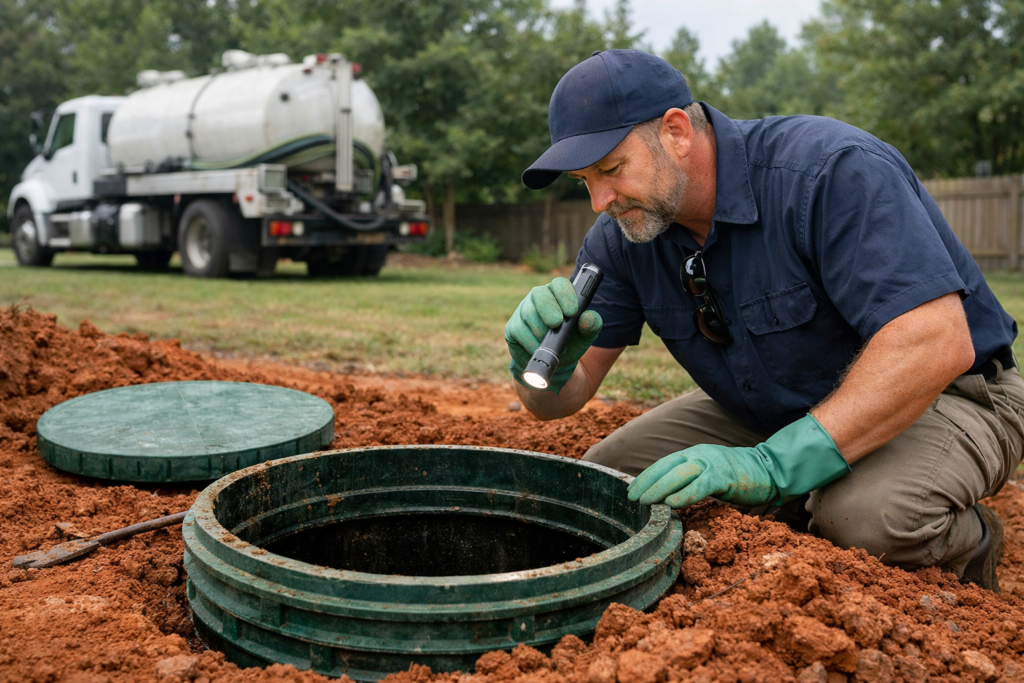
Septic Tank Repair in Charlotte NC
If you’re dealing with slow drains, sewage odors, or soggy patches in the yard, Septic Tank Repair in Charlotte NC usually needs fast, informed action—especially in neighborhoods where clay-heavy soils and seasonal downpours can stress drain fields. This guide covers what repairs typically involve, what they cost (as estimates), how permitting works locally, and how to screen a contractor so the fix lasts—not just until the next rain.
If you’re troubleshooting a similar issue, this guide may help: Stormwater vs Septic: How Gutters, Sump Pumps, and Yard Drainage Can Prevent Sewage Backups. For background reading from a trusted source, see EPA guidance on septic systems.
Key Takeaways
- Don’t pump-and-pray: pumping can be part of a fix, but recurring symptoms often point to a damaged baffle, crushed line, or drain field issue.
- Charlotte-area soils matter: clay and compaction can limit absorption and mimic “tank problems.”
- Repairs may require permits: Mecklenburg County rules often apply for component replacement or drain field work.
- Ask for a diagnostic plan: camera/locating and level checks prevent unnecessary excavation.
What to Expect
Septic Tank Repair in Charlotte NC generally starts with diagnosis, followed by targeted repair, then verification that the system is flowing and absorbing properly.
Typical timeline (varies by complexity)
- Same day to 2 days: initial inspection, locating lids, checking tank levels, evaluating inlet/outlet baffles, and assessing the drain field area.
- 1–3 days: minor repairs like replacing a broken baffle, resealing risers/lids, clearing a clogged effluent filter, or repairing a short section of sewer line.
- Several days to a few weeks: larger work such as drain field repairs/replacements, adding distribution box components, or installing advanced treatment parts—often depending on permits, inspections, and weather.
Uncommon but practical insight: After heavy rain, a perfectly intact septic tank can “look full” because groundwater is infiltrating through cracked risers or lid seams. A good pro will check for groundwater intrusion and tank level behavior before assuming the drain field has failed.
Common Problems We See
- Blocked or damaged baffles: broken inlet/outlet baffles can cause backups or send solids into the drain field.
- Clogged effluent filter: a common, fixable cause of gurgling drains and slow fixtures.
- Crushed or root-invaded sewer lines: especially where older lines run near mature trees.
- Distribution box (D-box) issues: settled or unlevel D-boxes send too much flow to one trench, causing early failure in one section.
- Drain field saturation: clay soils, compaction from vehicles, or persistent wet weather can limit percolation.
- Improper grading or diverted runoff: downspouts or yard drainage feeding the field area can overload it.
- Tank lid/risers leaking: surface water entry increases tank level and can stir solids.
Uncommon but practical insight: In the Charlotte area, red clay can “seal” the surface when compacted, so even a healthy drain field may struggle after a landscaping project or driveway extension. Ask whether soil compaction or surface runoff is contributing.
Typical Costs & Pricing Factors
Pricing varies by access, soil conditions, system type, and whether permits/inspections are required. The ranges below are estimates for planning purposes.
- Diagnostic visit (estimate): $150–$500 (may include locating lids, basic tank checks; camera/locating can add cost)
- Pumping (estimate): $300–$700 depending on tank size and access
- Effluent filter cleaning/replacement (estimate): $150–$600
- Baffle repair/replacement (estimate): $300–$1,500+
- Septic line repair (short section) (estimate): $500–$2,500+
- D-box adjustment/replacement (estimate): $800–$3,000+
- Drain field repair/replacement (estimate): $4,000–$20,000+ (wide range due to soil, lot constraints, and system design)
What drives the price in Charlotte
- Soil conditions: clay content and wet areas can increase excavation effort and design needs.
- Access: hard-to-reach tanks (fences, slopes, landscaping) add labor and restoration costs.
- System type: pumps, alarms, advanced treatment, or pressure distribution add parts and troubleshooting steps.
- Permitting and inspections: required documentation and scheduling can add cost.
- Yard restoration: regrading, seed/sod, and repairing irrigation lines are often separate line items.
Uncommon but practical insight: A “cheap” drain field fix that ignores distribution balance can fail early. Leveling the D-box and confirming trench loading is a small step that can protect a big investment.
Permits, Inspections, and Local Considerations
Septic Tank Repair in Charlotte NC may involve local oversight, especially when you’re replacing components, changing system layout, or touching the drain field. In Mecklenburg County and surrounding jurisdictions, septic systems are typically regulated through county environmental health programs and state rules. Requirements differ based on the type of repair.
- Minor maintenance vs. repair: pumping and filter cleaning usually don’t require a permit, but replacing baffles, tanks, pump components, or drain field elements may.
- Site and soil constraints: high clay content, slopes, and nearby waterways can affect what repair options are allowed.
- Lot changes matter: adding patios, sheds, or driveways over system components can violate setbacks and complicate approvals.
- Inspection readiness: some repairs require an inspection before backfilling; your contractor should plan for this to avoid re-digging.
Homeowner tip: Ask your pro to identify the system type (gravity vs. pump, conventional vs. alternative) and confirm what work triggers a permit. If you’re selling your home soon, documentation of permitted repairs can prevent closing delays.
Uncommon but practical insight: In areas with a higher seasonal water table, tanks can shift or “float” if left empty during wet periods. If pumping is needed, competent pros avoid leaving a tank empty when groundwater is high and will explain safe procedures.
How to Choose the Right Pro
Use this checklist to hire someone who can diagnose accurately and repair to code—not just replace parts until symptoms change.
- Local experience: ask how often they work in Charlotte/Mecklenburg and with your system type.
- Clear diagnostics: they should explain observations (tank level, scum/sludge, baffle condition) and what each finding suggests.
- Tools for the job: line locating, camera inspection, and the ability to check D-box level are strong signs of professionalism.
- Permitting support: they can tell you what’s required and who pulls permits (contractor vs. homeowner).
- Written scope of work: includes what’s being replaced, materials used, disposal/restoration responsibilities, and warranty terms.
- Protection plan: they discuss runoff control, traffic restrictions over the field, and how you’ll prevent recurrence.
Uncommon but practical insight: Many repeat failures happen because the household water load changed (new high-flow guests, leaking toilet flapper, added bathroom). A strong contractor will ask about water usage patterns—not just dig.
Questions to Ask Before You Hire
- What do you think is the most likely cause of the symptoms, and what evidence supports it?
- Will you check/clean the effluent filter and inspect inlet/outlet baffles during diagnosis?
- How will you locate the tank and lines, and will you use a camera or locator if needed?
- Do you anticipate any permitting or inspections in Mecklenburg County for this repair?
- What happens if we find groundwater intrusion, a cracked tank, or a failing drain field mid-job?
- How will you protect my yard and keep heavy equipment off the drain field area?
- What warranty do you provide on parts and labor, and what maintenance is required to keep it valid?
FAQ
How do I know if I need septic repair or just pumping?
Pumping helps when the tank is overdue for service, but if symptoms return quickly, the issue may be a clogged filter, damaged baffle, blocked line, or a drain field problem. A proper inspection should include checking baffles and the effluent filter—not only pumping.
Is it safe to use drain cleaners for septic backups?
Use caution. Many chemical drain openers can disrupt septic biology and may not fix the underlying blockage (especially if it’s in the main line or at the tank inlet). It’s better to reduce water use and call a septic professional to diagnose.
Can heavy rain cause septic backups in Charlotte?
Yes. Prolonged rain can saturate the drain field so it can’t absorb effluent, leading to slow drains or gurgling. Rain can also enter through leaking risers/lids. A contractor should differentiate saturation from mechanical failures.
What should I do immediately if sewage is backing up into the house?
Stop using water (toilets, laundry, showers), keep people and pets away from any wet areas, and call a septic pro. If you have a pump/alarm system, note any alarms and avoid resetting breakers repeatedly—report what you see.
Will a repair destroy my yard?
Some digging is often unavoidable, but good contractors minimize disturbance by locating components accurately, planning access routes, and limiting equipment over the drain field. Confirm restoration expectations in writing (grading, seed/sod, debris removal).
How can I prevent needing repairs again?
Schedule routine pumping based on household size and tank capacity, fix leaks promptly, keep grease/flushable wipes out of drains, divert roof/downspout runoff away from the drain field, and never drive or park over the field.
Do I need permits for septic tank repair in Charlotte NC?
Sometimes. Maintenance like pumping typically doesn’t, but component replacement or drain field work often does. Ask your pro to confirm requirements with local environmental health authorities and to plan inspections before backfill.
Next step: If you suspect you need Septic Tank Repair in Charlotte NC, start with a diagnostic visit that includes baffle/filter checks and line evaluation. The right contractor will explain the cause, outline options, and help you complete any required permitting so the repair holds up through Charlotte’s wet seasons.