Septic Tank Repair in Sarasota FL: Costs, Permits, and How to Hire the Right Pro
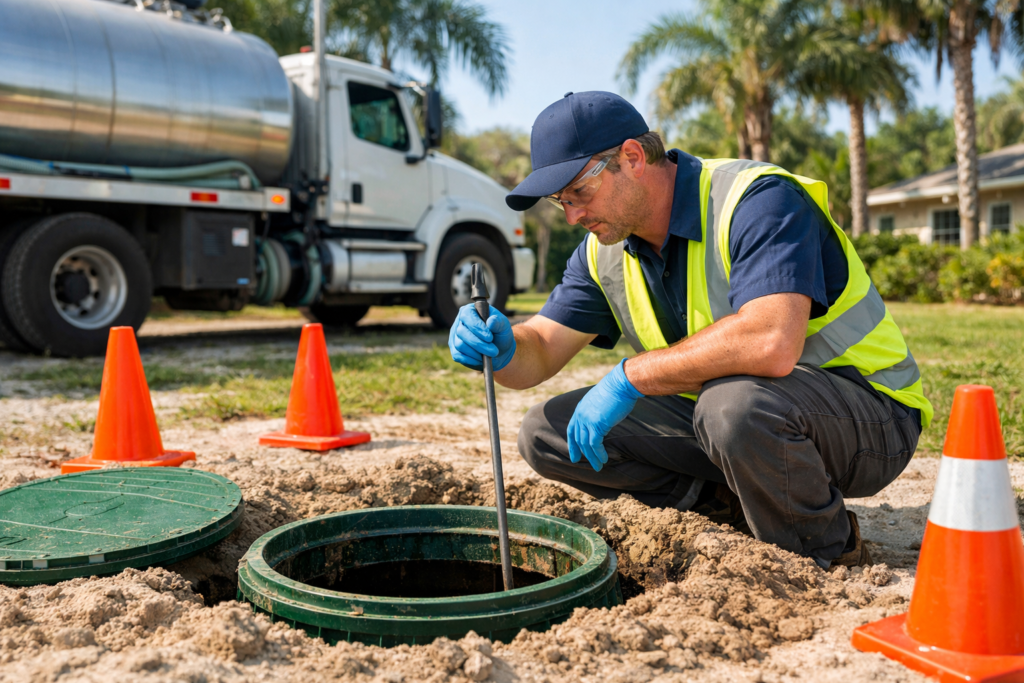
Septic Tank Repair in Sarasota FL
If you’re searching for Septic Tank Repair in Sarasota FL, you’re likely dealing with slow drains, odors, soggy patches in the yard, or a system that just won’t behave. Sarasota’s sandy soils, seasonal downpours, and relatively high water table in many neighborhoods can make septic problems show up quickly—and can also affect how repairs are planned and permitted. This guide breaks down what homeowners can expect, typical costs, local considerations, and exactly how to choose a contractor who can fix the issue without creating new ones.
If you’re troubleshooting a similar issue, this guide may help: Septic Repair in Houston, TX: Find the Right Pro, Avoid Costly Backups.
What to Expect
Septic Tank Repair in Sarasota FL usually starts with diagnosis, because symptoms can come from the tank, baffles, filter, pump (if you have one), or the drainfield. A qualified septic pro will locate and open the tank, check inlet/outlet baffles, measure sludge/scum levels, inspect the effluent filter, and evaluate whether the drainfield is accepting water.
- Same-day to 48 hours: Basic inspection, tank opening, filter cleaning, and minor repairs (baffle replacement, riser/lid issues).
- 2–7 days: Permit coordination (if required), parts ordering, and repairs involving excavation.
- 1–3+ weeks: Larger repairs (drainfield work, lift station/pump replacements, significant rework) depending on inspections, weather, and site access.
Uncommon but practical insight: In Sarasota’s rainy season, scheduling is not just about contractor availability—soil saturation can temporarily mask or worsen drainfield performance. A good pro will interpret symptoms with recent rainfall and groundwater conditions in mind rather than jumping straight to “you need a new drainfield.”
Common Problems We See
- Clogged effluent filters causing backups and slow drains (often after heavy water use or long gaps between service).
- Damaged or missing baffles allowing solids to exit the tank and clog the drainfield.
- Cracked lids/risers letting stormwater infiltrate the tank and overload the system.
- Root intrusion into lines or around the tank in landscaped yards.
- Compacted soil over the drainfield from vehicles, sheds, or pavers restricting oxygen and percolation.
- High groundwater impacts (especially after storms) leading to slow absorption and surfacing effluent.
- Lift station / pump failures on systems that rely on pumps to move effluent.
Uncommon but practical insight: If your lids are at grade and not properly sealed, rainwater infiltration can mimic a “full tank” problem. A simple lid/riser correction can sometimes prevent repeated alarms or frequent pumping.
Typical Costs & Pricing Factors
Pricing for septic work varies based on access, diagnostics needed, and whether excavation is required. The ranges below are estimates; your site conditions and system type will drive the final number.
- Diagnostic inspection (basic): ~$150–$400 (estimate)
- Pumping (if needed for troubleshooting/maintenance): ~$350–$700 (estimate)
- Effluent filter cleaning/replacement: ~$100–$350 (estimate)
- Baffle repair/replacement: ~$250–$900 (estimate)
- Lid/riser replacement or sealing: ~$200–$1,200 (estimate)
- Drain line clearing (snaking/jetting where appropriate): ~$200–$800 (estimate)
- Pump replacement (pump tank/lift station): ~$700–$2,500+ (estimate)
- Drainfield repair (partial): ~$2,000–$8,000 (estimate)
- Drainfield replacement (full): ~$8,000–$20,000+ (estimate)
Main pricing factors:
- System type: gravity vs. pump-based, aerobic/ATU components, advanced treatment requirements.
- Access: buried/unknown tank location, tight side yards, fenced lots, landscaping impacts.
- Water table & soil conditions: wet excavation, dewatering needs, and field performance in sandy soils.
- Cause of failure: a broken baffle is very different from biomat-clogged drainfield trenches.
- Code and permitting: engineered designs, inspections, and documentation.
Uncommon but practical insight: Ask whether the contractor will verify the tank outlet elevation and pipe slope during repairs. Small pitch errors after a “quick fix” can create chronic clogs that look like a drainfield issue.
Permits, Inspections, and Local Considerations
In Florida, septic systems are regulated through the Florida Department of Health (FDOH), typically via the county health department process. In the Sarasota area, permits are often required for drainfield replacement, major repairs, system modifications, and some pump or treatment upgrades. A reputable contractor should guide you on what’s required for your specific scope.
- Expect permits for drainfield work, tank replacement, relocations, or changes to system capacity.
- Inspections may be required before backfilling, especially for drainfield installations.
- Setbacks matter: septic components must meet minimum distances from wells, property lines, buildings, and surface waters.
- High water table & storm season: scheduling work around saturated conditions can reduce rework and inspection delays.
Uncommon but practical insight: If you’re near canals, bays, or low-lying zones, local conditions may increase scrutiny on system performance and setbacks. A contractor who understands coastal and barrier-island constraints can help you avoid redesign surprises after the hole is already dug.
Helpful resources to review before approving major work:
- Florida Department of Health (onsite sewage / septic guidance and contacts)
- Sarasota County (property info, flood zone maps, and related planning resources)
How to Choose the Right Pro
Use this checklist to hire confidently—especially when the yard is soggy and you’re tempted to accept the fastest quote.
- Clear diagnosis first: They explain what they’re testing (baffles, filter, water level, field saturation) before selling a big repair.
- Transparent scope: Written estimate describing parts, excavation, disposal, restoration, and any permit fees.
- Experience with local conditions: Comfortable working in sandy soils and wet-season groundwater realities.
- Protection plan for your property: How they’ll protect pavers, irrigation lines, and landscaping; where spoils will be staged.
- Documentation: Provides photos of findings, repair steps, and final condition (helpful for future home sale disclosures).
- Warranty clarity: What’s covered (parts/labor), for how long, and what voids coverage (vehicle traffic, improper use).
Uncommon but practical insight: A strong pro will ask about recent changes in household water use (guests, leaks, new appliances). Many “sudden septic failures” are actually overload events from running toilets or hidden slab leaks.
Questions to Ask Before You Hire
- What did you observe that confirms the problem is the tank vs. the drainfield?
- Will you check and document the condition of the inlet/outlet baffles and effluent filter?
- Do you anticipate any permits or inspections for this scope, and who handles them?
- How will you locate lines and components—do you use tracing equipment or rely on probing?
- What restoration is included (soil grading, sod, irrigation repairs), and what is excluded?
- If you recommend a drainfield repair/replacement, what alternatives did you rule out?
- How do you prevent tank flotation or shifting if groundwater is high during excavation?
FAQ
How do I know if I need septic repair or just pumping?
Pumping can relieve symptoms temporarily, but it doesn’t fix broken baffles, clogged filters, crushed pipes, or a failing drainfield. A proper inspection should identify the underlying cause before you spend money twice.
Is it safe to use drain cleaners or “septic additives” to fix backups?
Harsh drain chemicals can damage components and disrupt tank biology; additives rarely solve structural or hydraulic problems. If you have recurring backups or odors, schedule a diagnostic instead of relying on quick fixes.
Can heavy rain cause septic backups in Sarasota?
Yes. Saturated soils and elevated groundwater can reduce the drainfield’s ability to absorb effluent. Rain can also infiltrate through poor seals at lids/risers, adding unnecessary volume to the tank.
What should I do if sewage is surfacing in the yard?
Limit water use immediately, keep people and pets away from the area, and call a septic professional. Surfacing effluent can indicate a serious drainfield or hydraulic failure and may require urgent service.
How often should Sarasota homeowners service a septic system?
Many households benefit from pumping every 3–5 years, but the right interval depends on tank size, occupancy, and usage. Regular filter checks (if equipped) can prevent backups between pump-outs.
Will a repair require digging up my whole yard?
Not always. Some repairs are localized (baffles, lids, pipe sections, pumps). Drainfield work is more disruptive, but an experienced contractor can often limit excavation to affected zones when appropriate and permitted.
Key Takeaways
- Septic Tank Repair in Sarasota FL often starts with careful diagnosis—symptoms can come from baffles, filters, pumps, or the drainfield.
- Rainy-season groundwater and sandy soils can change how systems behave and how repairs should be scheduled.
- Costs range widely; written scopes and photos of findings help you compare quotes fairly.
- Permits/inspections are common for major work—hire a pro who can navigate Florida health department requirements.
- Ask targeted questions about slope, infiltration, and water-use changes to avoid repeat problems.
When you need Septic Tank Repair in Sarasota FL, the best outcomes come from a contractor who diagnoses before they dig, explains options in plain language, and accounts for Sarasota’s wet-season conditions and regulatory requirements. Use the checklists and questions above to hire with confidence—and to protect your property, your budget, and your system’s lifespan.