Septic Tank Repair in Baton Rouge LA: Costs, Permits, and How to Hire the Right Pro
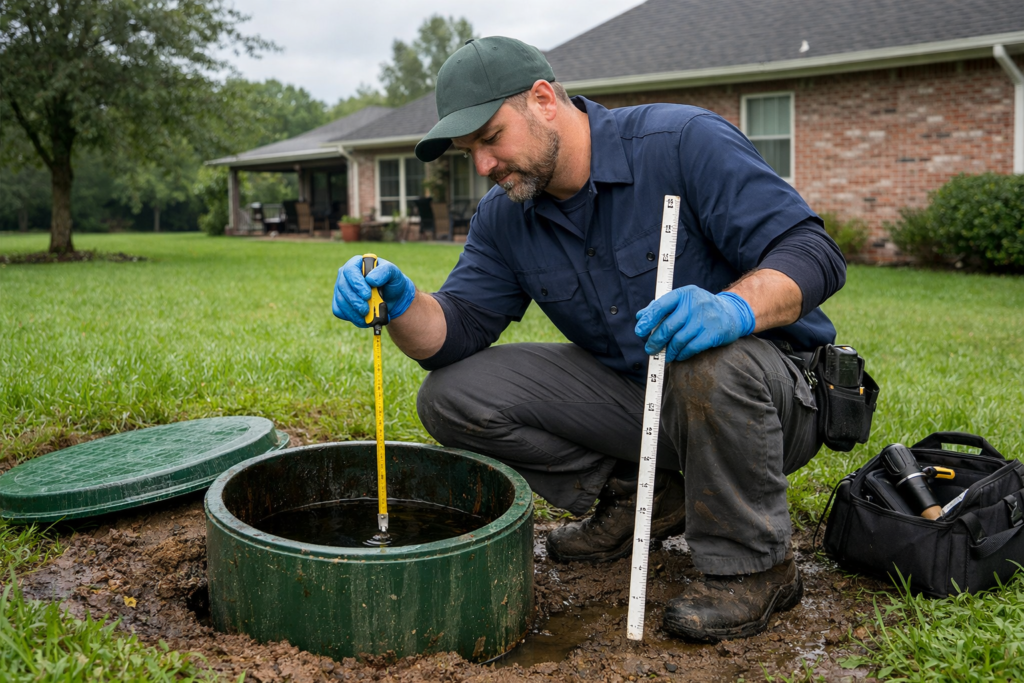
Septic Tank Repair in Baton Rouge LA
If you’re dealing with slow drains, sewage odors, or soggy patches in the yard, Septic Tank Repair in Baton Rouge LA is often time-sensitive—especially in our humid climate and heavy rains that can quickly overwhelm already-stressed systems. Baton Rouge-area properties commonly face high water tables, clay-heavy soils, and stormwater surges that can push groundwater into cracked tanks or saturated drainfields. This guide explains what a quality repair process looks like, what it typically costs, and how to choose a contractor who fixes the root cause rather than just the symptoms.
If you’re troubleshooting a similar issue, this guide may help: Septic Tank Repair in Columbia SC: Costs, Permits, and How to Hire the Right Pro. For background reading from a trusted source, see EPA guidance on septic systems.
What to Expect
Septic Tank Repair in Baton Rouge LA usually starts with diagnosis before any digging. A reputable pro will confirm whether the issue is the tank, baffles/tees, inlet/outlet piping, pump (if any), or the drainfield. Timelines vary based on access, weather, and permitting.
- Initial visit (same day to 3 days): inspection, locating the tank, checking lids, risers, and liquid level; often includes a basic flow test or dye test.
- Diagnosis (1–2 hours on site): identifying cause—hydraulic overload, root intrusion, crushed line, failed baffle, leaking tank seam, or saturated field.
- Repair planning (1–7 days): scope, estimates, and permit needs; scheduling equipment and any pump-out.
- Repairs (half-day to 2+ days): depending on whether it’s a lid/riser repair versus line replacement or partial field remediation.
- Final checks: confirming watertight lids, proper inlet/outlet function, and that the system is not backing up under normal use.
Uncommon but important insight: In Baton Rouge, scheduling right after prolonged rain can skew diagnosis—high groundwater can mimic a failing drainfield. A careful pro will consider recent rainfall and may recommend re-checking when the soil has had time to drain.
Common Problems We See
- Cracked tank lids or missing risers allowing stormwater inflow (a common issue during heavy downpours).
- Broken baffles/tees that let solids migrate to the drainfield, accelerating clogging.
- Root intrusion into older clay or thin-wall pipes near trees and shrubs.
- Crushed or belly-sagged sewer lines from vehicle traffic or soil movement.
- Hydraulic overload from leaking fixtures, large tubs, or back-to-back laundry loads.
- Saturated drainfields after extended rains or poor surface drainage around the field.
- Effluent pump failures on mound or advanced systems (alarm sounding, wet area near tank).
Uncommon but practical insight: A soft, spongy spot in the yard isn’t always the drainfield—it can also be a leaking tank seam or a failing outlet connection. Pinpointing the wettest area relative to tank and field layout saves unnecessary excavation.
Typical Costs & Pricing Factors
Pricing varies widely by system type, access, and what’s actually broken. The ranges below are estimates intended to help you plan; a site visit is necessary for a firm quote.
- Diagnostic visit / system inspection: ~$150–$400 (may be credited toward repair)
- Pumping (if needed for repair access): ~$300–$700+
- Lid/riser repair or replacement: ~$200–$1,200
- Baffle/tee replacement: ~$250–$900
- Repair/replace a section of sewer line: ~$600–$3,500+
- Tank crack/seam repair (where feasible): ~$500–$2,500 (some tanks require replacement)
- Effluent pump replacement: ~$900–$3,000+
- Drainfield spot repair/remediation: ~$2,000–$8,000+
- Full drainfield replacement: often $8,000–$20,000+ depending on design and site conditions
Key pricing factors include:
- Soil conditions and groundwater: high water table can require alternative designs and more labor.
- Accessibility: fences, landscaping, and tight equipment access increase time/cost.
- System type: conventional vs. aerobic/advanced treatment, pumps, alarms, control panels.
- Cause vs. symptom: clearing a line is cheaper than correcting a slope issue that caused recurring backups.
Uncommon but useful insight: If a contractor recommends “just pump it” without explaining why the tank filled abnormally fast, treat that as a red flag—rapid refilling can indicate groundwater infiltration or a stuck pump/float on advanced systems.
Permits, Inspections, and Local Considerations
Septic Tank Repair in Baton Rouge LA often intersects with local health and environmental rules—especially if work affects the drainfield, treatment components, or changes system capacity. In Louisiana, septic oversight commonly involves state and parish-level requirements, and certain repairs may require permits or inspections.
- When permits are more likely: drainfield replacement, adding bedrooms (capacity change), relocating components, installing pumps or advanced treatment units, or major structural tank work.
- When permits may be minimal: minor lid/riser replacements, small plumbing line repairs on the house side (varies by scope and jurisdiction).
- Water table and flooding: Baton Rouge’s rain events can saturate soils; pros may recommend improving surface drainage (swales/grading) to protect the field.
- Setbacks and easements: repairs may need to respect property lines, wells, waterways, and utility easements; accurate locating matters before excavation.
Uncommon but practical insight: Ask your contractor how they will document the repaired system layout (measurements from fixed points). Having an updated as-built sketch can save hundreds later when you need future service or when selling the home.
How to Choose the Right Pro
- Confirm septic-specific experience: not all plumbers troubleshoot drainfields, pumps, or treatment units.
- Ask for a clear diagnosis method: locating, tank level checks, inlet/outlet inspection, and explanation of findings.
- Request a written scope of work: what will be repaired, what will be replaced, and what is excluded.
- Verify they’ll protect your property: utility locating, minimal excavation plan, and restoration expectations.
- Check warranty terms: labor vs. parts, and what conditions void coverage (misuse, flooding, lack of maintenance).
- Look for root-cause fixes: addressing surface water runoff, pipe slope issues, or baffle failures—not just clearing symptoms.
Uncommon but valuable insight: A good pro will ask about your water usage patterns (running toilets, new appliances, number of occupants). That interview often reveals overload problems that look like “system failure” but are actually fixable without major excavation.
Questions to Ask Before You Hire
- What do you think is the most likely cause, and how will you confirm it?
- Will you inspect the inlet/outlet baffles or tees, and are they intact?
- Do you recommend pumping before repairs, and why?
- How will you determine whether the drainfield is failing versus temporarily saturated?
- What permits or inspections might be required for this scope?
- What equipment will you use, and how will you minimize yard damage?
- Will you provide an updated layout sketch and photos of the work?
- What maintenance steps should we follow after the repair (pumping interval, filters, alarms)?
FAQ
How do I know if I need septic repair or just pumping?
Pumping helps when the tank is simply overdue. If problems return quickly, you may have a broken baffle, line blockage, groundwater infiltration, or drainfield saturation that needs repair.
Is it safe to use water while waiting for service?
Limit water use to essentials. Avoid laundry, long showers, and dishwasher cycles if you have backups or high tank levels to reduce the risk of sewage entering the home.
Can heavy rain in Baton Rouge cause septic backups?
Yes. Saturated soil can slow absorption in the drainfield and raise groundwater around the tank and lines. A pro can check for inflow paths (cracked lids, poor seals) and drainage issues.
What’s the fastest septic repair?
Lid/riser sealing, replacing a broken baffle/tee, or clearing/repairing a short section of pipe can often be done in a single visit once parts and access are ready.
When is drainfield replacement the only option?
If the field is irreversibly clogged with biomat, has extensive soil failure, or has been damaged by roots/traffic, replacement may be required—especially if repeated backups occur after proper tank maintenance.
Do septic additives fix problems?
They rarely fix structural issues, broken components, or saturated soils. In some cases, additives can stir solids and push them toward the drainfield, making issues worse.
Key Takeaways
- Septic Tank Repair in Baton Rouge LA should start with diagnosis—don’t pay for guesswork or unnecessary digging.
- Heavy rain and high groundwater can mimic failures; timing and proper testing matter.
- Many recurring issues trace back to baffles, lids, or line slope—not the whole system.
- Written scopes, permit awareness, and layout documentation protect you long-term.
When you need Septic Tank Repair in Baton Rouge LA, prioritize a contractor who explains the cause, outlines options, and helps you prevent repeat failures in Baton Rouge’s wet conditions. A well-diagnosed repair can restore reliable performance without jumping straight to a full replacement.