Septic Tank Repair in Columbia SC: Costs, Permits, and How to Hire the Right Pro
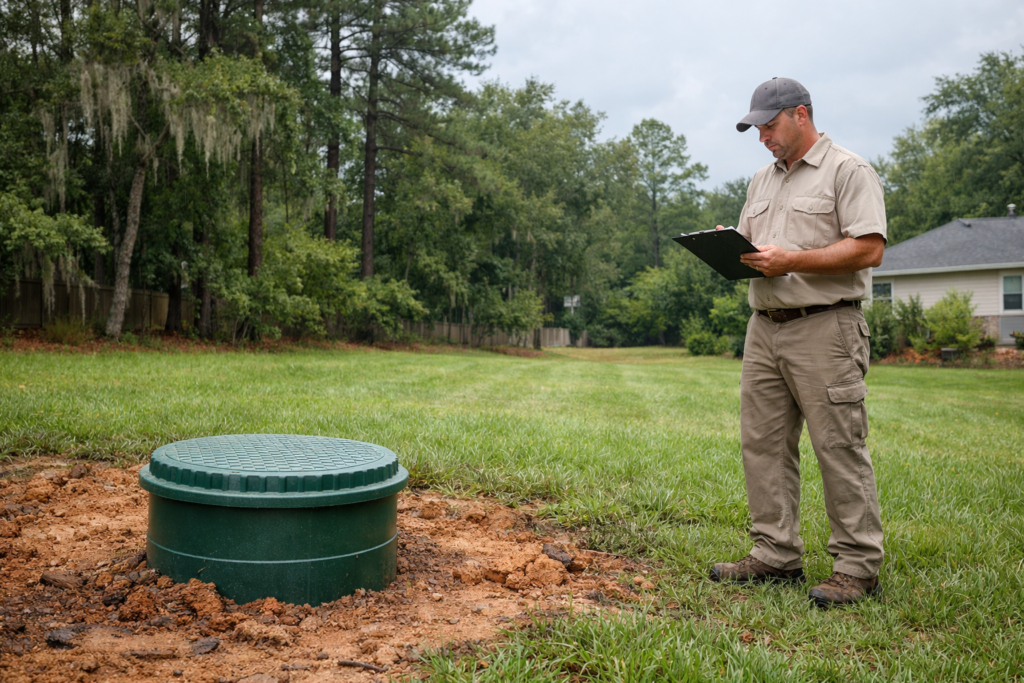
Septic Tank Repair in Columbia SC
If you’re dealing with slow drains, sewage odors, or soggy spots in the yard, Septic Tank Repair in Columbia SC is usually time-sensitive. Columbia’s mix of clay-heavy soils in many neighborhoods, seasonal downpours, and generally high humidity can make failures show up quickly—especially when a drainfield can’t absorb water fast enough. This guide walks you through what repairs typically involve, what they cost, what local rules may apply, and how to choose a contractor who fixes the cause (not just the symptoms).
If you’re troubleshooting a similar issue, this guide may help: Septic Tank Repair in Greenville SC: Costs, Permits, and How to Hire the Right Pro. For background reading from a trusted source, see EPA guidance on septic systems.
Homeowners often assume “septic repair” means replacing the whole system. In reality, many issues can be corrected with targeted work—like replacing a failed baffle, repairing a cracked riser, fixing a crushed line, or restoring drainfield performance—if caught early.
What to Expect
Septic Tank Repair in Columbia SC usually starts with diagnosing whether the problem is inside the tank, in the line to the drainfield, or in the drainfield itself. A reliable pro will avoid guessing and use inspection steps that match the symptoms.
- Initial call & triage (same day–48 hours): You’ll describe symptoms (backups, odors, wet areas, alarms). The pro may advise limiting water use immediately.
- Site visit & diagnosis (1–2 hours): Common steps include checking tank levels, inspecting inlet/outlet baffles, scoping lines, and evaluating drainfield saturation.
- Repair plan & estimate (same day): You should receive options (repair vs. replacement), what’s included, and expected outcomes.
- Repair work (half day–3 days): Smaller fixes (baffles, risers, lids, line repairs) can be fast. Drainfield work may take longer and can depend on weather and soil conditions.
Uncommon but practical insight: After heavy rain, a system can appear “failed” when the real issue is temporary groundwater saturation. A good contractor will note recent rainfall and may recommend a short observation period if there’s no indoor backup.
Common Problems We See
- Hydraulic overload: Too much water entering the system (leaky toilets, running faucets, frequent laundry) causing backups and surfacing effluent.
- Clogged or damaged effluent filter: Some tanks have an outlet filter that needs periodic cleaning; when it clogs, fixtures drain slowly.
- Broken or missing baffles/tees: Baffles keep scum and solids from exiting the tank; when they fail, the drainfield can clog faster.
- Cracked lids/risers and infiltration: Stormwater can enter through poor seals, raising tank levels and pushing wastewater toward the drainfield.
- Crushed pipes or root intrusion: Older lines can collapse; roots can invade joints and create recurring blockages.
- Drainfield saturation or biomat buildup: Clay soils common around Columbia can drain slowly; combined with high water tables in some areas, fields may stay wet.
- Improper grading near the tank/field: Downspouts or yard grading that directs runoff toward the system can cause chronic wet conditions.
Uncommon but practical insight: A “septic smell” outdoors is often caused by a loose tank lid gasket or missing riser screws—small, inexpensive fixes compared to drainfield work.
Typical Costs & Pricing Factors
Pricing varies by accessibility, soil conditions, component availability, and how far the issue has progressed. The ranges below are estimates for the Columbia area; always request a written scope.
- Diagnostic visit: ~$150–$500 (estimate), depending on testing, line scoping, and travel/time.
- Pumping (often required before repair): ~$300–$700 (estimate), based on tank size and access.
- Baffle/tee repair or replacement: ~$250–$1,200 (estimate), depending on tank type and access.
- Riser or lid replacement/sealing: ~$200–$1,000 (estimate); adds value by making future service easier.
- Effluent filter cleaning/replacement: ~$150–$600 (estimate).
- Pipe repair (crushed line/root intrusion): ~$500–$3,000 (estimate), depending on excavation length and obstacles.
- Drainfield repairs/restoration: ~$2,500–$15,000+ (estimate). Full replacement can exceed this, especially if a new area must be permitted.
Key pricing factors:
- Depth of tank and whether lids are already at grade (risers reduce labor cost over time).
- Soil conditions (wet clay and saturated areas require more careful excavation and sometimes dewatering).
- Whether heavy equipment access is straightforward (fences, patios, landscaping, and slopes raise costs).
- Permit and inspection requirements when altering system components.
Uncommon but practical insight: Paying for a riser now often saves money later—future pumping and inspections are faster, and lids are less likely to be damaged by mowing or foot traffic.
Permits, Inspections, and Local Considerations
In and around Columbia, septic systems are commonly regulated through state and county health/environmental channels. Minor repairs (like replacing an effluent filter or fixing a lid) may not require permitting, but anything that changes system design—especially drainfield modifications—can trigger permits and inspections.
- Ask who pulls permits: Your contractor should clearly state whether they handle applications, scheduling, and inspector coordination.
- Know your property constraints: Well locations (if any), property lines, easements, and nearby water features can limit where a repair or new field can go.
- Soil and groundwater realities: Parts of the Midlands can have slow-percolating clay and seasonally high groundwater; a contractor may recommend design-specific solutions if repairs escalate.
- Rainy-season timing: Inspections and field work can be affected by saturated soil—sometimes waiting for drier conditions prevents creating compaction or smearing clay, which reduces long-term infiltration.
Uncommon but practical insight: If a contractor proposes adding gravel or “filling low spots” over a struggling drainfield, ask how they’ll prevent soil compaction—heavy equipment over the field can make performance worse.
How to Choose the Right Pro
Use this checklist to hire someone who can accurately diagnose and fix septic issues in the Columbia area.
- Diagnosis-first approach: They explain how they’ll confirm the failure point (tank vs. line vs. field), not just “pump and see.”
- Clear scope of work: Written estimate with materials, labor, disposal, restoration of disturbed areas, and warranty terms.
- Local regulatory familiarity: They know what repairs require permits and what documentation is needed for inspections.
- Proper equipment: Line camera/locator capability, safe excavation practices, and the ability to work in wet soils without tearing up the yard unnecessarily.
- Protection of the drainfield: They plan traffic routes for equipment and avoid driving over the field.
- Communication: They can explain what you should do differently (water use habits, maintenance intervals) to prevent repeat issues.
Questions to Ask Before You Hire
- What evidence will you use to confirm where the failure is (tank, pipe, or drainfield)?
- Will you check the inlet/outlet baffles and effluent filter (if present) as part of diagnostics?
- Do you recommend pumping before repairs—and is pumping included in the quote?
- What repairs require a permit here, and will you handle the paperwork and inspections?
- How will you protect the drainfield from compaction during excavation?
- What site restoration is included (backfill, grading, seeding/straw), and what is excluded?
- What is the warranty on parts and labor, and what actions by the homeowner could void it?
FAQ
How do I know if I need Septic Tank Repair in Columbia SC or just pumping?
Pumping helps when the tank is overdue for service, but it won’t fix broken baffles, crushed lines, or a failing drainfield. If symptoms return quickly after pumping, you likely need a repair and a deeper diagnosis.
Is it safe to use drain cleaners or additives to “fix” my septic?
Many chemical drain cleaners can harm system biology and may damage pipes. Most “miracle” additives won’t restore a failed drainfield. If you have recurring clogs or backups, focus on inspection and targeted repairs.
Why does my yard get wet near the drainfield after storms?
In the Columbia area, heavy rains and clay soils can slow infiltration and raise groundwater, making the field temporarily saturated. If wet areas persist during dry weather or you notice odors, it’s time for a professional evaluation.
Can tree roots cause septic problems?
Yes. Roots can enter older pipe joints and create blockages or breaks. A camera inspection can confirm root intrusion, and repair options may include line replacement and root management strategies.
Will a septic alarm always mean the system failed?
No. Some alarms indicate a high water level in a pump tank, which can be caused by pump failure, float switch issues, or temporary high inflow. It’s urgent, but not always a full system replacement.
What should I do immediately if sewage is backing up into the house?
Stop water use (toilets, showers, laundry), keep people and pets away from affected areas, and call a septic professional. Continued water use can force sewage into the home or yard and increase cleanup costs.
How can I prevent repeat septic repairs?
Fix household leaks, spread out laundry loads, keep heavy vehicles off the drainfield, route downspouts away from the system, and follow a regular pumping schedule based on tank size and household use.
Key Takeaways
- Septic Tank Repair in Columbia SC often depends on soil drainage and rainfall—diagnosis should consider recent weather, not just symptoms.
- Many issues are repairable (baffles, filters, lids, lines) if caught early; recurring problems after pumping signal deeper causes.
- Drainfield work is the biggest cost driver; protecting the field from compaction is critical during repairs.
- Ask about permits and inspections anytime the repair changes system function or drainfield components.
If you suspect you need Septic Tank Repair in Columbia SC, act quickly: reduce water use, document symptoms (where odors or wet spots appear), and hire a pro who will verify the failure point before recommending major work. A careful, locally informed repair can restore performance and help you avoid repeat emergencies.