Septic Tank Repair in Shreveport LA: Costs, Permits, and How to Hire the Right Pro
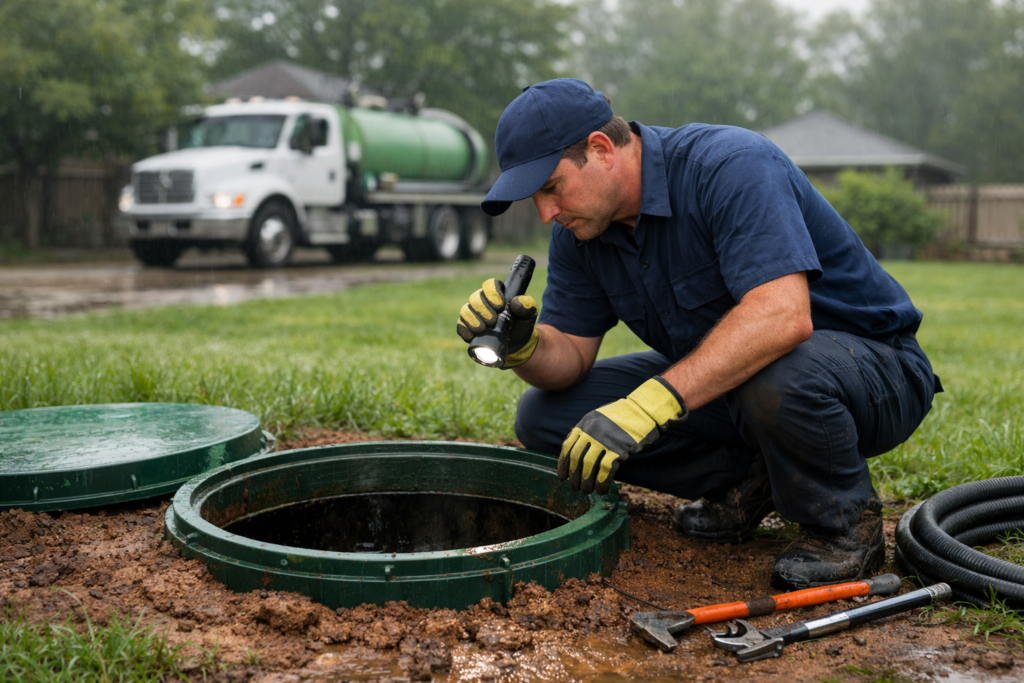
Septic Tank Repair in Shreveport LA
If you’re dealing with slow drains, sewage odors, or soggy spots in the yard, Septic Tank Repair in Shreveport LA is usually not a DIY situation. Shreveport’s hot, humid summers, intense rain events, and pockets of clay-heavy soil can push older systems to fail faster—especially when drainfields can’t dry out between storms. This guide explains what repairs typically involve, what costs you should expect, what local rules may apply, and how to choose a contractor who fixes the underlying problem (not just the symptoms).
If you’re troubleshooting a similar issue, this guide may help: Septic Tank Repair in Columbus GA: Costs, Common Issues, and How to Hire the Right Pro. For background reading from a trusted source, see EPA guidance on septic systems.
Homeowners often wait until there’s a backup inside the house. In reality, many failures start quietly: a baffle breaks, a filter clogs, or the drainfield gets saturated. Catching issues early can prevent a full replacement and keep your property—and nearby waterways—protected.
What to Expect
Most Septic Tank Repair in Shreveport LA jobs follow a similar path: diagnosis, locating components, permitting (when required), repair, and verification. Timelines depend on access, weather, and whether any excavation is needed.
- Same-day to 2 days: Basic troubleshooting (tank opening, filter cleaning, baffle check, pump/float testing).
- 2–7 days: Repairs that require parts, minor excavation, or coordination with an inspector.
- 1–3+ weeks: Larger drainfield work, significant regrading, or replacement of major components (especially after prolonged rain).
Uncommon but practical insight: In Shreveport, heavy rain can temporarily “mask” the real failure by diluting odors while still saturating the drainfield. A reputable pro may ask about rainfall timing and may schedule follow-up checks when the yard has had time to drain.
Common Problems We See
- Clogged effluent filter: Causes slow drains and gurgling; often overlooked until backups start.
- Broken or missing baffles/tee: Lets solids exit the tank and damage the drainfield.
- Cracked tank lids or risers: Allows groundwater infiltration and can be a safety hazard.
- Root intrusion: Roots can invade lines and distribution boxes, especially near mature trees.
- Drainfield saturation: Common after long wet periods; can be worsened by compacted soil or surface runoff.
- Failed lift pump or floats: In systems that pump to an elevated field; may trigger alarms or cause backups.
- Improper grading: Downspouts or surface water draining toward the field shortens drainfield life.
Uncommon but practical insight: A “temporary fix” like pumping the tank can make symptoms disappear for a short time, but it doesn’t repair a saturated drainfield or a broken baffle. Ask what failure mode they believe is happening and what evidence supports it.
Typical Costs & Pricing Factors
Pricing varies based on access, system type (gravity vs. pump), soil conditions, and whether repairs require excavation. The ranges below are estimates to help you budget; a site visit is the only way to confirm actual costs.
- Diagnostic visit / evaluation: ~$150–$400 (may be credited toward repair).
- Effluent filter cleaning/replacement: ~$150–$500.
- Baffle/tee repair: ~$300–$1,200.
- Tank riser or lid replacement: ~$300–$1,500 (more if safety upgrades are needed).
- Septic line repair (spot repair): ~$500–$2,500 depending on depth and obstacles.
- Lift pump/float replacement: ~$700–$2,500 (including parts and testing).
- Distribution box repair/leveling: ~$600–$2,000.
- Drainfield repair (partial): ~$2,500–$10,000+.
- Drainfield replacement (full): ~$8,000–$20,000+.
Pricing factors that matter in Shreveport:
- Wet soil and access: After storms, equipment may tear up yards; some pros delay excavation to avoid compaction.
- Depth of lines: Older homes may have deeper runs, increasing labor.
- Tree roots and landscaping: Root cutting may be a short-term fix if the line’s slope or joints are failing.
- Septic tank material: Concrete vs. fiberglass affects repair options (and lid compatibility).
Uncommon but practical insight: If your system uses a pump, ask whether they’ll verify pump run time and drawdown (how quickly the chamber empties). That data can reveal partial clogs or failing check valves that don’t show up in a quick test.
Permits, Inspections, and Local Considerations
Septic Tank Repair in Shreveport LA can involve permitting depending on the scope. Minor maintenance (like cleaning an effluent filter) may not require a permit, but repairs that alter the system—especially drainfield work, pump system changes, or tank replacement—often do.
What homeowners should do:
- Ask the contractor whether your repair requires a permit or inspection and who will pull it.
- Request documentation of the work performed (parts used, photos if excavated, and final test results).
- Confirm setbacks from wells, property lines, and water features before drainfield changes.
Shreveport’s climate can create bursts of high groundwater and fast runoff. If your yard holds water or your downspouts discharge near the drainfield, a pro may recommend grading, swales, or extending downspouts to keep surface water away from the field.
Uncommon but practical insight: If you’re near a low-lying area or bayou influence, ask whether the pro has experience designing repairs for seasonal saturation. Sometimes a “repair” is partly drainage management—without it, the same failure repeats.
How to Choose the Right Pro
Use this checklist to find a contractor who can diagnose accurately and stand behind their work.
- Clear diagnostic plan: They explain what they’ll inspect (tank condition, baffles, filter, D-box, pump/alarms, drainfield symptoms).
- Willingness to locate components: They don’t guess where the tank is or propose excavation without locating lids/lines.
- Evidence-based recommendations: They can show you the failed part or explain what indicates drainfield saturation vs. a line clog.
- Scope in writing: Itemized estimate with parts, labor, restoration, and any exclusions (like sod replacement).
- Permitting clarity: They handle permits/inspections when needed and provide copies.
- Maintenance guidance: They give you practical next steps (pumping interval, filter cleaning schedule, water-use changes).
Uncommon but practical insight: A strong pro will ask about recent home changes—new garbage disposal, extra bathroom, hot tub, or increased occupancy—because hydraulic overload can mimic a “broken system.”
Questions to Ask Before You Hire
- What do you believe is causing the issue—line blockage, tank problem, pump failure, or drainfield saturation?
- Will you open the tank and check baffles/tee and the effluent filter?
- If it’s a pump system, will you test floats, alarms, check valve, and pump drawdown?
- How will you confirm the drainfield is accepting effluent (and not just temporarily relieved by pumping)?
- Do you expect a permit/inspection for this scope of work, and who pulls it?
- What yard restoration is included (soil, seed, sod), and what isn’t?
- What warranty do you provide on parts and labor?
FAQ
Is pumping my tank a repair?
Pumping is maintenance and can provide short-term relief, but it doesn’t fix broken baffles, failing pumps, damaged lines, or a saturated drainfield. It’s often a first step for diagnosis.
How do I know if the drainfield is failing?
Common signs include persistently soggy soil over the field, sewage odors outdoors, slow drains throughout the home, or effluent surfacing. A pro should verify whether the issue is hydraulic overload, a clogged line, or true field failure.
Can heavy Shreveport rain cause septic problems?
Yes. Prolonged rain can saturate soil and reduce the drainfield’s ability to absorb effluent. Surface runoff routed toward the field can make this worse.
What should never go into a septic system?
Avoid wipes (even “flushable”), grease, harsh drain cleaners, feminine hygiene products, and excessive bleach. These contribute to clogs and kill beneficial bacteria.
Do septic odors always mean the tank is full?
No. Odors can come from dry traps, venting issues, a broken lid, or a drainfield problem. A tank can be at a normal level and still have system failures.
How often should a septic tank be inspected in Shreveport?
Many homes benefit from an inspection every 1–3 years, depending on tank size and occupancy. Homes with effluent filters and pump systems should keep a stricter maintenance schedule.
Key Takeaways
- Septic Tank Repair in Shreveport LA starts with diagnosis—don’t accept “just pump it” as the final answer.
- Shreveport rain and seasonal saturation can overwhelm drainfields; drainage management is often part of the fix.
- Costs range widely: small component repairs can be hundreds, drainfield work can be five figures (estimates vary).
- Ask for written scope, permit clarity, and evidence of what failed before approving major excavation.
Conclusion
When you need Septic Tank Repair in Shreveport LA, the right contractor will inspect the system thoroughly, explain the failure mode in plain language, and recommend a repair that matches your soil and drainage conditions—not just a quick reset. If you’re seeing early warning signs (odors, slow drains, wet spots), schedule a diagnostic visit before the problem becomes an emergency backup.
Browse local septic repair pros and compare estimates, scopes of work, and maintenance recommendations so you can hire confidently.