Septic Tank Repair in Columbus GA: Costs, Common Issues, and How to Hire the Right Pro
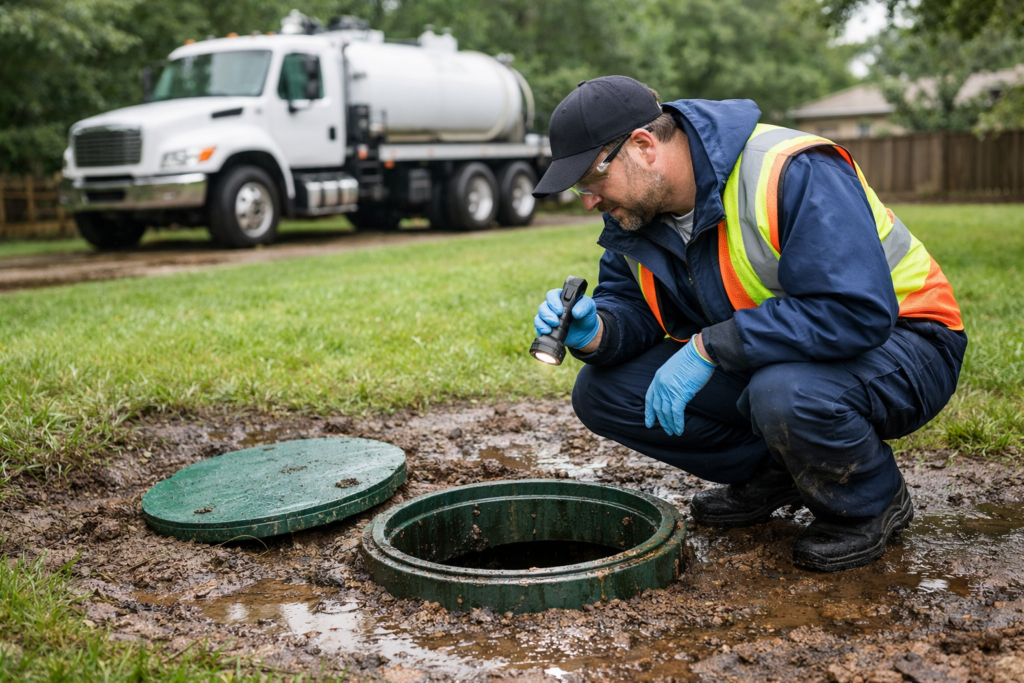
Septic Tank Repair in Columbus GA
If you’re searching for Septic Tank Repair in Columbus GA, you’re likely dealing with slow drains, odors, soggy spots in the yard, or a system that just isn’t keeping up. In the Columbus area—where hot, humid summers, intense thunderstorms, and pockets of clay-heavy soils are common—septic systems can fail in ways that surprise homeowners. This guide explains what repairs typically involve, what they cost (as estimates), what local considerations may apply, and how to confidently hire a qualified septic professional.
If you’re troubleshooting a similar issue, this guide may help: Septic Tank Repair in Augusta GA: Costs, Permits, and How to Hire the Right Pro. For background reading from a trusted source, see EPA guidance on septic systems.
What to Expect
Most Septic Tank Repair in Columbus GA jobs follow a similar flow: diagnosis first, then targeted repair. A reputable pro should start by confirming whether the issue is inside plumbing, at the tank, in the pump/controls, or in the drainfield. That matters because a “septic problem” is often a blocked outlet baffle, a failed pump float, or a crushed line—not necessarily a full system replacement.
- Initial call & triage: You’ll describe symptoms (odors, backups, alarms, wet yard). Some pros can give immediate do/don’t guidance before they arrive.
- On-site evaluation: Common steps include locating lids, checking scum/sludge levels, inspecting baffles, checking pump operation (if applicable), and looking for surfacing effluent.
- Repair plan: You should get a clear explanation of what failed, why, and what options exist (repair vs. replace component vs. further testing).
- Timeline: Minor repairs can be same-day. Drainfield troubleshooting, major excavation, or permit-triggering work can take several days to weeks depending on parts availability, scheduling, and inspections.
Uncommon but practical insight: ask whether the technician will inspect the tank outlet filter (if present). A clogged outlet filter can mimic drainfield failure, but cleaning it is far less invasive than reworking field lines.
Common Problems We See
Homeowners often notice the symptoms first, but multiple underlying causes can produce the same warning signs. In and around Columbus, heavy rain events can also temporarily saturate soils, making marginal drainfields act “failed” even if the tank is fine.
- Backups or slow drains: Outlet baffle damage, clogged effluent filter, full tank, or a downstream blockage.
- Septic odors indoors or outdoors: Dry traps, cracked lids, venting issues, or surfacing effluent near the drainfield.
- Wet, spongy yard or greener stripes: Drainfield overloading, broken distribution box, or crushed lateral lines.
- Pump alarm sounding (for pump systems): Failed float switch, seized pump, tripped breaker, or high inflow from leaks.
- Collapsed/hidden lids: Older concrete lids can degrade; unsafe lids are a real hazard and should be addressed promptly.
- Infiltration from stormwater: Downspouts, sump discharges, or yard drainage routed toward the tank/field can overwhelm the system.
Uncommon but practical insight: if problems worsen after storms, the fix may involve surface drainage corrections (regrading, downspout extensions) as much as septic components.
Typical Costs & Pricing Factors
Pricing varies based on access, excavation needs, parts, and whether the repair triggers permitting. These are estimates for typical scenarios; your property conditions can move numbers up or down.
- Diagnostic visit / troubleshooting: often a base service fee plus time; may be credited toward repair (estimate varies by provider).
- Pumping (if needed for repair access): typically several hundred dollars (estimate); larger tanks or difficult access can cost more.
- Effluent filter cleaning/replacement: lower-cost repair (estimate) if accessible and tank condition allows safe service.
- Baffle or tee repair/replacement: moderate cost (estimate), sometimes same-day.
- Septic pump replacement (pump systems): mid to high hundreds to a few thousand dollars (estimate), depending on pump type and controls.
- Distribution box replacement/repair: often in the high hundreds to low thousands (estimate), depending on excavation and reconnection work.
- Drainfield line repair (localized): can range from low thousands to several thousand dollars (estimate); full drainfield replacement is higher and may involve design/permitting.
Pricing factors that matter:
- Access: buried lids, landscaping, fencing, and distance from driveway affect labor.
- Soil conditions: clay-heavy or saturated soils can slow excavation and complicate testing.
- System type: gravity vs. pump, advanced treatment, and multiple tanks add components.
- Root intrusion: repairs may require line replacement and root management.
- After-hours response: emergency calls may cost more.
Uncommon but practical insight: request that any proposal specify whether the contractor will replace riser seals after opening the tank. Poor sealing allows stormwater infiltration that can cause repeat alarms and premature field saturation.
Permits, Inspections, and Local Considerations
Septic Tank Repair in Columbus GA can be straightforward when it’s a component swap, but larger repairs (especially those involving drainfield modifications, new tanks, or relocating components) may require permits and inspections. Requirements can vary by jurisdiction and project scope, so ask your contractor what applies before work begins.
- Health department oversight: In many areas, onsite wastewater systems fall under local or county environmental health rules. Drainfield changes and new installations are more likely to require approval.
- Setbacks & site constraints: Wells (if any), property lines, water bodies/ditches, and easements can affect what can be repaired or expanded.
- High rainfall & stormwater management: Columbus’ seasonal storms can raise soil moisture levels; keeping surface water away from the septic area is often essential for long-term performance.
- Water table & drainage: Low-lying lots or poorly drained yards can reduce the soil’s ability to absorb effluent, making drainfield performance sensitive to weather.
Uncommon but practical insight: if your system has a pump, ask whether the contractor will verify the alarm circuit and independent high-water float. Many “pump failures” are actually float or control issues—and a working alarm is your early warning before a backup.
How to Choose the Right Pro
Septic repairs combine plumbing, excavation, electrical (for pump systems), and environmental compliance. Use this checklist to hire with confidence.
- Experience with your system type: Gravity, pump, aerobic/advanced treatment, or multi-tank setups require different troubleshooting.
- Clear diagnostics: They should explain the failure mode (not just symptoms) and show you what they found when possible.
- Itemized estimate: Look for parts, labor, excavation/restoration, pumping (if needed), and any permit/inspection steps.
- Safety practices: Tanks are hazardous spaces. Pros should never enter a septic tank and should secure open access points.
- Warranty/guarantee details: Get repair warranty terms in writing (what’s covered, for how long, exclusions).
- Coordination: The best pros can coordinate pumping, inspections, and follow-up testing as needed.
Uncommon but practical insight: ask if they can provide (or help you create) an as-built sketch showing tank and drainfield locations. It’s invaluable for future service and prevents costly digging.
Questions to Ask Before You Hire
- What specific tests or checks will you perform to confirm the root cause?
- Is the issue likely in the house plumbing, the tank, the pump/controls, or the drainfield?
- Will you inspect the inlet/outlet baffles and any effluent filter?
- Do you expect pumping will be required to complete the repair safely?
- If excavation is needed, how will you protect landscaping and handle restoration?
- Will this repair require permits or inspections in the Columbus area?
- What’s the expected lifespan of this repair, and what maintenance prevents recurrence?
- For pump systems: will you test floats, check valves, control panel, and alarm?
FAQ
How do I know if I need septic repair or just pumping?
Pumping helps when the tank is overloaded with solids, but it won’t fix a broken baffle, failed pump, or saturated drainfield. A proper inspection distinguishes between a full tank and a downstream failure.
Is it safe to open my septic tank lids myself?
It’s risky. Lids can be heavy and fragile, and septic gases are dangerous. If you suspect a problem, keep people and pets away from the area and call a pro with proper tools and safety procedures.
Why do septic problems get worse after heavy rain in Columbus?
When soil is saturated, the drainfield can’t absorb effluent as efficiently. Stormwater routed toward the septic area can also overload the system. Improving surface drainage is often part of a long-term fix.
Can I use additives to avoid repairs?
Additives generally can’t repair broken components or a failing drainfield. Regular pumping on an appropriate schedule, water-use management, and keeping grease/solids out of the system are more reliable.
What should I do right now if sewage is backing up?
Stop using water (especially toilets, laundry, and showers), keep people away from affected areas, and call a septic professional. If you have a pump alarm, don’t silence it and continue using water—treat it as an urgent warning.
Will a septic repair tear up my yard?
Some repairs (baffles, filters, pumps) may require minimal disturbance if access is good. Drainfield or distribution box repairs usually involve excavation. Ask how they’ll limit digging and restore grading to prevent water pooling.
Key Takeaways
- Diagnosis first—many issues that feel like drainfield failure are fixable at the tank, filter, pump, or distribution box.
- Rain and drainage matter in Columbus; stormwater can trigger or worsen septic symptoms.
- Costs vary widely based on access, excavation, and whether permits/inspections apply (all ranges are estimates).
- Choose a pro who explains findings, provides an itemized plan, and addresses prevention (not just the immediate symptom).
When you need Septic Tank Repair in Columbus GA, focus on contractors who troubleshoot thoroughly, communicate clearly, and consider local drainage and soil conditions—not just quick fixes. The right repair plan can restore reliable performance, protect your yard and home, and reduce the odds of repeat emergencies.