Septic Tank Repair in Little Rock AR: Costs, Permits, and How to Hire the Right Pro
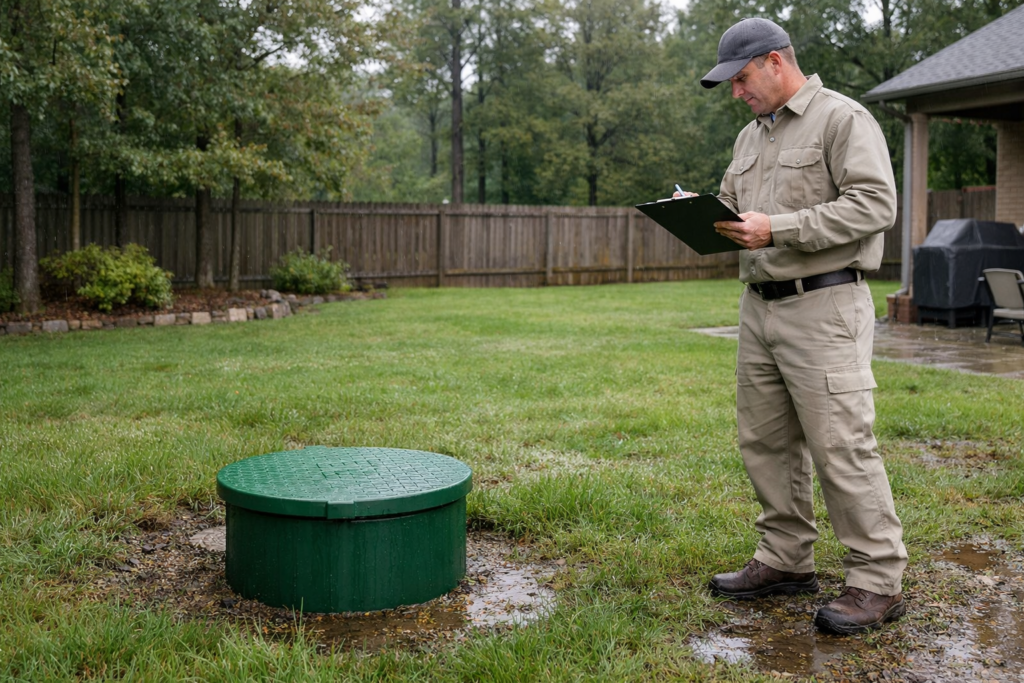
Septic Tank Repair in Little Rock AR
If you’re dealing with backups, soggy patches in the yard, or sewage odors, Septic Tank Repair in Little Rock AR is usually time-sensitive—both for health and to prevent damage to your drain field. Little Rock’s mix of heavy rains, clay-rich soils in many neighborhoods, and occasional flooding near creeks can stress septic systems and make problems show up fast. This guide walks you through what repairs typically involve, what they cost (estimated ranges), and how to choose a qualified professional.
If you’re troubleshooting a similar issue, this guide may help: Septic Tank Repair in Baton Rouge LA: Costs, Permits, and How to Hire the Right Pro. For background reading from a trusted source, see EPA guidance on septic systems.
What to Expect
Septic Tank Repair in Little Rock AR can mean anything from replacing a lid riser to repairing baffles, lines, or components like pumps and alarms. A reputable pro usually starts with diagnosis (often the most important step), then recommends the least invasive fix that restores safe function.
- Same-day to 48-hour response for urgent backups or suspected overflows (availability varies).
- Diagnosis (1–2 hours): system history, locating tank/field, checking water levels, inspecting baffles, and sometimes camera-scoping lines.
- Minor repairs (half-day): baffle replacement, lid/riser repair, pump swap, alarm/float fix.
- Moderate repairs (1–2 days): line repairs, distribution box work, partial excavation.
- Major work (several days to weeks): drain field replacement or system redesign, plus permitting and inspections.
Practical insight: If a contractor suggests pumping as the “fix” without explaining the underlying cause, that’s a red flag. Pumping can help diagnose and temporarily relieve symptoms, but it doesn’t repair a failed drain field, a crushed line, or a stuck float.
Common Problems We See
- Hydraulic overload after storms: prolonged rain saturates soil so the drain field can’t absorb effluent, causing slow drains or backups.
- Clay soil compaction: some Little Rock areas have clay that compacts easily, reducing soil percolation and stressing older fields.
- Root intrusion into sewer lines, especially where older clay or cast iron piping transitions to newer materials.
- Crushed or belly sagging lines from vehicle traffic over the tank/field or settling trenches.
- Broken inlet/outlet baffles allowing solids to reach the drain field (a common cause of premature field failure).
- Effluent pump or float failures in systems with pumps, causing alarms, high-water events, or intermittent backups.
- Improperly directed roof/downspout drainage saturating the yard above the drain field.
Practical insight: A “green stripe” over the drain field isn’t always fertilizer—it can be a clue that effluent is surfacing or over-saturating that area, especially during wet weeks.
Typical Costs & Pricing Factors
Pricing varies widely based on access, soil conditions, system type, and whether excavation is required. The ranges below are estimates meant to help you plan questions and compare proposals.
- Diagnostic visit / troubleshooting: ~$150–$400 (may be credited toward repair by some contractors).
- Pumping (as part of service): ~$300–$600+ depending on tank size and access.
- Replace lid, riser, or damaged access cover: ~$200–$900.
- Baffle repair/replacement: ~$300–$1,200.
- Repair/replace sewer line section: ~$800–$3,500 (more if deep excavation or hardscape removal).
- Distribution box repair/replacement: ~$900–$2,500.
- Effluent pump/float/alarm repair: ~$500–$2,000 (pump type and basin depth matter).
- Drain field repairs or replacement: ~$4,000–$15,000+ (site-specific; engineered alternatives can be higher).
What drives cost in Little Rock:
- Water table and wet-weather saturation: even if your yard looks dry, saturated subsoil after storms can complicate excavation and scheduling.
- Access for equipment: narrow gates, fences, landscaping, or steep lots increase labor.
- Unknown system layout: missing as-builts can add time to locate components.
- Age and material: older concrete tanks can have corrosion at the outlet; older lines may be brittle or root-prone.
Practical insight: Ask whether the quote includes restoring disturbed soil and regrading for drainage. Poor grading can send stormwater back toward the tank/field and cause repeat issues.
Permits, Inspections, and Local Considerations
For many repairs, especially anything involving the drain field, replacement of major components, or system alterations, permits and inspections may be required. In Arkansas, septic oversight commonly involves state and/or local health/environmental requirements. A qualified contractor should help you navigate what’s needed for your specific project in Little Rock and Pulaski County.
- Minor repairs (like lids/risers, some pump component swaps) may not require a permit, but safety and code compliance still matter.
- Drain field work or system redesign often triggers permitting, soil evaluation, and inspection steps.
- Setbacks and site constraints: property lines, wells (if any), streams, easements, and structures can affect where repairs or new lines may go.
- Wet-weather scheduling: heavy rains can delay inspections and excavation, and saturated soils can make it difficult to verify proper function.
Practical insight: If your home is near a creek, low-lying area, or you’ve noticed seasonal standing water, ask your contractor how they’ll account for wet-season performance—not just a “works today” test.
How to Choose the Right Pro
For Septic Tank Repair in Little Rock AR, the best contractors combine plumbing know-how with soil/site awareness. Use this checklist to compare bids and avoid costly repeat work.
- Clear diagnosis first: they explain likely failure points and how they confirmed them (levels, flow tests, inspection ports, camera).
- Written scope of work: includes excavation areas, components to be replaced, and restoration plan.
- Permitting plan: they identify when permits/inspections are required and who handles paperwork.
- Protection of the drain field: they plan equipment routes to avoid compacting the field (compaction can permanently reduce soil absorption).
- Transparent pricing: itemized estimates and clear change-order process for unknowns (like collapsed lines).
- Maintenance guidance: they tell you how to prevent recurrence (water-use habits, filter cleaning, downspout routing).
Practical insight: Many repeat failures trace back to driving or parking over the drain field. A good pro will point out where to place markers or landscaping edges to prevent accidental traffic.
Questions to Ask Before You Hire
- What evidence shows the problem is in the tank, the line, or the drain field?
- Will you inspect the inlet/outlet baffles and check for an effluent filter?
- Do you recommend a camera inspection of the building sewer line? Why or why not?
- How will you protect the drain field from equipment compaction?
- Is pumping included, and is it necessary for this repair or just for access/diagnosis?
- What permits or inspections are likely required for this scope?
- What restoration is included (backfill, grading, reseeding), and what is excluded?
- What warranty applies to parts and labor, and what voids it?
Key Takeaways
- Septic Tank Repair in Little Rock AR often starts with diagnosis—pumping alone isn’t a real fix for many failures.
- Wet weather and clay-heavy soils can make symptoms worse and influence repair approach.
- Costs depend heavily on excavation, access, and whether the drain field is involved.
- Ask how the contractor will prevent repeat issues (stormwater diversion, traffic control, filter/baffle checks).
FAQ
How do I know if I need septic repair or just pumping?
If symptoms return soon after pumping, or you have persistent soggy areas/odors, you likely have a line, baffle, pump/float, or drain field issue. A proper inspection should identify the cause.
Is it safe to use water while waiting for repairs?
If you have backups or suspected surfacing sewage, minimize water use immediately (avoid laundry, long showers, dishwasher runs). Continued use can force sewage into the home or yard.
Can heavy rain cause septic backups in Little Rock?
Yes. When soil is saturated, the drain field can’t absorb effluent efficiently. You may notice slow drains or gurgling after prolonged rain, especially in low-lying yards.
What’s the difference between a septic line repair and a drain field repair?
A line repair addresses the pipe carrying wastewater from the home to the tank or from the tank to distribution. Drain field repair addresses the soil absorption area where effluent disperses—typically more invasive and costly.
Will septic additives fix my problem?
Additives rarely solve mechanical failures (broken baffles, collapsed lines, pump issues) or a saturated/failed drain field. Focus on diagnosis, repairs, and good maintenance habits.
How can I prevent future septic issues?
Divert roof/downspout runoff away from the tank and drain field, avoid driving over the field, fix leaky toilets, space out laundry loads, and service pumps/alarms if your system has them.
How often should my tank be inspected?
Many homeowners benefit from an inspection every 1–3 years, with pumping frequency based on household size, tank size, and measured sludge/scum levels—not a one-size schedule.
When problems escalate quickly, choosing a contractor who understands site conditions and code requirements matters. For accurate diagnosis, clear scope, and long-term protection of your property, hire a pro experienced in Septic Tank Repair in Little Rock AR and insist on documented findings—not guesses.