Septic Tank Repair in Gainesville FL: Costs, Permits, and How to Hire the Right Pro
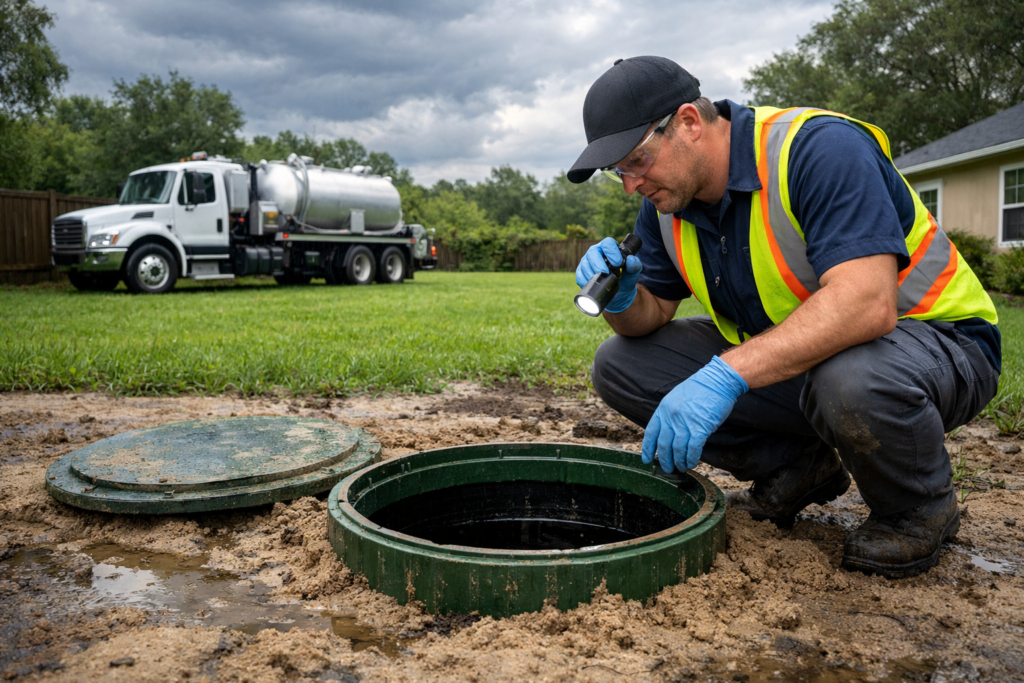
Septic Tank Repair in Gainesville FL
If you’re dealing with backups, soggy patches in the yard, or persistent sewer odors, Septic Tank Repair in Gainesville FL is often time-sensitive—especially after heavy rain when soils are saturated. Gainesville’s mix of sandy soils, a high seasonal water table, and nearby springs and sinkhole-prone limestone can make diagnosis trickier than in many parts of Florida. This guide walks homeowners through what repairs typically involve, how long they take, what they cost, and how to choose a qualified septic professional.
If you’re troubleshooting a similar issue, this guide may help: Septic Repair in Houston, TX: Find the Right Pro, Avoid Costly Backups. For background reading from a trusted source, see EPA guidance on septic systems.
What to Expect
Most Septic Tank Repair in Gainesville FL jobs start with a site visit to confirm whether the issue is in the tank (baffles, lids, cracks), the piping (inlet/outlet lines), or the drainfield (saturation, root intrusion, compaction). A good contractor will begin with a few non-invasive checks before recommending excavation.
- Same-day to 48 hours: Initial troubleshooting, locating the tank, checking access lids, confirming water levels, and evaluating flow.
- 1–3 days: Common repairs such as replacing a baffle/tee, fixing a broken pipe, resealing risers/lids, or installing an effluent filter.
- Several days to weeks: Larger work like drainfield repair/replacement, tank replacement, or engineered solutions that require permitting and inspections.
Uncommon but important insight: In Gainesville, a system can “look fine” in dry weather and fail right after storms due to temporary groundwater rise. Ask the pro how recent rainfall and seasonal conditions affect their diagnosis.
Common Problems We See
- Clogged or missing outlet baffle/tee: Solids escape to the drainfield, causing early failure.
- Effluent filter blockage: Can trigger slow drains and gurgling; often overlooked until a backup occurs.
- Root intrusion: Tree roots enter pipes or the drainfield, common where mature landscaping is near the system.
- Cracked lids/risers: Allow stormwater infiltration, which can overload the system and create soggy soil.
- Compacted drainfield: Parking, sheds, or heavy equipment over the field reduces soil absorption.
- Broken inlet/outlet lines: Often from settling soil or improper installation; can mimic drainfield failure.
- Hydraulic overload: Leaky toilets, running irrigation near the field, or frequent large laundry loads.
Uncommon but practical insight: In high-rain months, downspouts and sump discharges aimed toward the drainfield can cause “mystery” wet spots. Redirecting roof runoff is a low-cost fix that can prevent repeated service calls.
Typical Costs & Pricing Factors
Pricing varies with access, soil conditions, and whether excavation is required. The ranges below are estimates for homeowners planning a budget; a local onsite evaluation is the only way to confirm scope.
- Diagnostic visit / troubleshooting: ~$150–$400 (estimate), depending on complexity and whether locating is included
- Pumping (if needed for service access): ~$300–$700 (estimate), based on tank size and access
- Baffle/tee replacement: ~$250–$900 (estimate)
- Riser or lid repair/replacement: ~$200–$1,200 (estimate)
- Pipe repair (inlet/outlet line): ~$400–$2,000+ (estimate), driven by excavation depth and obstacles
- Effluent filter install/replace: ~$150–$600 (estimate)
- Drainfield repair/replacement: ~$3,500–$15,000+ (estimate), depending on size, design, and site constraints
- Tank replacement: ~$4,000–$10,000+ (estimate), depending on material, size, and excavation
Pricing factors that matter in Gainesville:
- Water table and soil saturation: Wet conditions can require dewatering or scheduling delays.
- Access and locating: Buried tanks without risers, tight side yards, or fenced areas raise labor time.
- Sinkhole/limestone considerations: Some properties need more careful evaluation of soil stability and drainage.
- Code-compliant upgrades: Adding risers, effluent filters, or bringing older components up to current standards.
Uncommon but money-saving insight: If your tank lacks risers, adding them during a repair can reduce future pump-out costs because crews won’t need to dig each visit.
Permits, Inspections, and Local Considerations
Septic Tank Repair in Gainesville FL may require permitting depending on what’s being repaired. Minor component replacements (like some baffles or lids) may not require the same process as drainfield work—but rules vary by scope and site conditions.
- Authority and oversight: Septic systems in Florida are regulated at the state level through the Florida Department of Health (FDOH), typically coordinated through county health departments.
- When permits are more likely: Drainfield replacements, system relocations, tank replacement, significant modifications, or repairs near environmentally sensitive areas.
- Water protection: Gainesville and Alachua County are closely tied to springsheds and groundwater resources; setbacks and site evaluations matter.
Ask your contractor whether the job requires a permit and who will handle it. A reputable pro should be comfortable explaining setbacks, soil suitability, and inspection steps without rushing you.
Uncommon but important insight: If you’re planning a home addition, driveway expansion, or pool, discuss septic layout early. Changes that increase bedroom count or cover drainfield area can trigger redesign requirements later.
How to Choose the Right Pro
- Start with diagnosis, not assumptions: The pro should verify whether the issue is a blockage, tank component failure, or drainfield saturation.
- Experience with Gainesville conditions: Ask about high water table troubleshooting and work in sandy/limestone soils.
- Clear scope and written estimate: Look for line-item pricing, what’s included, and what could change after excavation.
- Permitting plan: If required, confirm who pulls permits and schedules inspections.
- Protection of your property: Ask how they minimize lawn damage and how restoration is handled.
- Warranty and follow-up: Get warranty terms in writing and ask what maintenance prevents repeat failures.
Questions to Ask Before You Hire
- What evidence shows the problem is in the tank vs. the drainfield?
- Will you check the inlet/outlet tees and measure scum/sludge levels?
- Do you recommend pumping before repair, and is that included in the quote?
- How will recent rain and groundwater levels affect your diagnosis and timeline?
- Will you inspect for root intrusion and pipe belly/sags with a camera if needed?
- Does this repair require a permit or inspection, and who handles the paperwork?
- What should we change at home (water use, fixtures, landscaping) to prevent recurrence?
FAQ
How do I know if I need septic tank repair or just pumping?
Pumping helps when the tank is overfull of solids, but it won’t fix broken baffles, collapsed lines, or a failing drainfield. A proper evaluation checks components, liquid levels, and flow patterns.
Is it safe to use septic additives to fix backups?
Additives rarely solve mechanical issues and can create false confidence while damage worsens. If you have backups or standing water, get an inspection and address the root cause.
Can heavy rain in Gainesville cause septic problems?
Yes. Saturated soil and a rising water table can reduce drainfield absorption, leading to slow drains or wet spots. A pro should consider recent rainfall when assessing failures.
What should I do immediately if sewage backs up into the house?
Stop using water (toilets, showers, laundry), keep people and pets away from contaminated areas, and call a septic professional. Continued water use can worsen contamination and property damage.
How long do septic repairs usually last?
It depends on the repair. Replacing a baffle or broken line can last many years if the drainfield is healthy and the system is maintained. Drainfield work longevity depends heavily on soil, water use, and protecting the field from compaction.
Can I drive or park over my drainfield?
No. Vehicle weight compacts soil and can crush pipes, reducing absorption and causing long-term problems. If you’re unsure where your drainfield is, have it located and mapped.
Key Takeaways
- Septic Tank Repair in Gainesville FL often depends on rainfall, water table, and soil conditions—timing and diagnosis matter.
- Many “failures” are fixable tank or pipe issues; confirm the cause before approving drainfield replacement.
- Estimated costs range widely; access, excavation depth, and code upgrades are major drivers.
- Permits are common for major work—choose a contractor who can clearly explain the local process.
When you need Septic Tank Repair in Gainesville FL, the best outcomes come from a careful diagnosis, clear written scope, and a plan that accounts for local groundwater and soil conditions. Use the checklists and questions above to compare professionals and protect your home, yard, and budget.
Request quotes from qualified septic repair pros in Gainesville