Septic Tank Repair in Tallahassee FL: Costs, Permits, and How to Hire the Right Pro
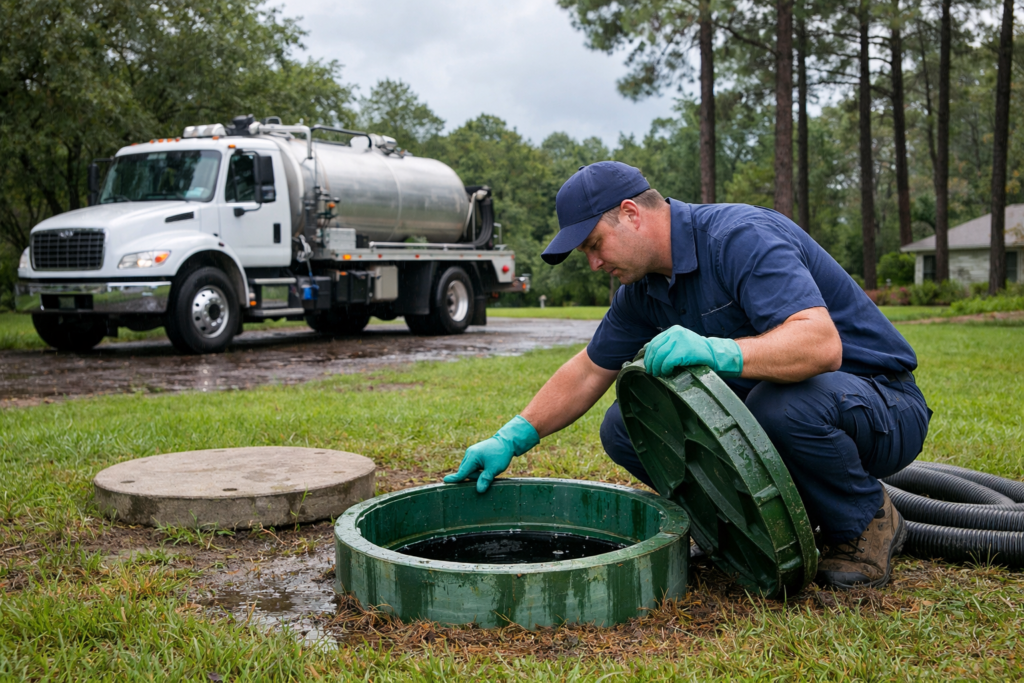
Septic Tank Repair in Tallahassee FL
Septic Tank Repair in Tallahassee FL is rarely something homeowners plan for, but in Leon County it’s common to see problems tied to heavy summer rains, shifting soils, and older systems on larger lots. If you’re noticing slow drains, sewage odors, soggy patches in the yard, or toilets that gurgle after storms, a qualified septic professional can diagnose whether you need a baffle replacement, line repair, pump/tank repair, or drainfield work—before damage spreads and costs rise.
If you’re troubleshooting a similar issue, this guide may help: Septic Repair in Knoxville, TN: Costs, Permits, and How to Hire the Right Pro. For background reading from a trusted source, see EPA guidance on septic systems.
This guide explains what repairs typically involve, what they cost (as estimates), local permitting considerations, and how to choose a contractor who understands Tallahassee’s conditions.
What to Expect
Most septic repairs follow a similar path: confirm the symptoms, locate and expose components, diagnose the failure point, complete the repair, and verify proper operation. In Tallahassee, timing can be influenced by weather (wet ground can delay excavation) and by inspection/permitting requirements if the drainfield is involved.
- Initial visit & diagnosis: Often same week. Expect a site walk, symptom review, and possibly tank access for inspection.
- Simple repairs (1 day): Baffle/tee replacement, outlet filter service, riser installation, small line repairs.
- Moderate repairs (1–3 days): Replacing crushed pipe sections, repairing/patching tank leaks (when feasible), fixing distribution box issues.
- Drainfield-related work (several days to weeks): Engineering/design, permits, excavation, inspections, and restoration.
Uncommon but useful insight: Ask the pro to document tank liquid level relative to the outlet. A tank that’s “overfull” can indicate a downstream restriction, while a “low” level can hint at leakage—two very different repair paths.
Common Problems We See
- Hydraulic overload after storms: Tallahassee’s intense rainfall can saturate soils, limiting drainfield absorption and causing backups.
- Crushed or separated sewer lines: Vehicle traffic, tree roots, or settlement can damage pipes from the home to the tank or tank to field.
- Clogged effluent filter or outlet baffle damage: Leads to slow drains and can send solids to the drainfield if ignored.
- Distribution box (D-box) out of level: One trench floods while others stay dry, shortening drainfield life.
- Grease and “flushable” wipe buildup: Causes recurring clogs and can mimic bigger failures.
- Groundwater influence: In lower-lying areas, seasonally high water can reduce treatment capacity and cause surfacing effluent.
Uncommon but practical insight: If symptoms worsen specifically after rain, it’s often a soil saturation/drainfield performance issue—not “your tank is full.” Pumping may provide temporary relief but won’t fix the underlying constraint.
Typical Costs & Pricing Factors
Prices vary widely by access, soil conditions, component availability, and whether the repair touches the drainfield. The ranges below are estimates for Tallahassee-area projects; a site visit is the only way to get an accurate quote.
- Diagnostic visit/locating components: $150–$500 (estimate), depending on complexity and whether records exist.
- Septic pumping (if needed for inspection/repair): $300–$700 (estimate), based on tank size and accessibility.
- Effluent filter cleaning/replacement: $150–$450 (estimate).
- Baffle/tee repair or replacement: $250–$1,200 (estimate), depending on tank type and access.
- Riser installation (improves future access): $300–$1,000 (estimate).
- Pipe repair (spot repair): $500–$2,500 (estimate), affected by depth, rooting, and restoration.
- Distribution box repair/leveling: $800–$3,000 (estimate).
- Drainfield repair/replacement: $4,000–$20,000+ (estimate), depending on system type, site constraints, and permitting.
Key pricing factors:
- How deep the tank/lines are and whether heavy equipment access is straightforward
- Wet conditions that require dewatering or limit excavation timing
- Whether roots, settlement, or traffic caused structural damage
- Availability of as-built drawings or prior permits showing tank/field location
- Whether restoration is needed (sod, irrigation lines, landscaping, fences)
Uncommon but useful insight: Adding risers and a properly fitted outlet filter can be a “small” upgrade that prevents “big” drainfield costs later—especially if your tank lids are currently buried and rarely inspected.
Permits, Inspections, and Local Considerations
In Florida, septic systems are regulated at the state level (commonly through the Florida Department of Health’s onsite sewage program) with county-level administration and records. In the Tallahassee area, repairs that alter the drainfield, change system sizing, or move components typically require permits and inspections. Minor repairs (like replacing a baffle or repairing a pipe) may not, but it depends on the scope.
- Check existing records: Ask your pro to pull available system records (tank size, drainfield location, permitted design) before digging.
- Plan for wet-season constraints: Summer downpours can limit when excavation is feasible and can impact inspection scheduling.
- Soils and seasonal water table: Some Tallahassee neighborhoods have variable soils and lower areas where saturation affects drainfield performance; a repair plan should consider where water flows on your lot.
- Setbacks and site constraints: Wells, property lines, easements, and trees can limit drainfield repair options.
Uncommon but practical insight: If you have recurring issues, ask whether a simple surface water fix (redirecting roof downspouts, improving swales, reducing irrigation near the field) could reduce hydraulic load—often cheaper than repeated pump-outs.
How to Choose the Right Pro
For Septic Tank Repair in Tallahassee FL, look for a contractor who can clearly explain diagnosis steps, understands local soil/rainfall impacts, and is comfortable coordinating permits when needed.
- Verify scope specialization: Some companies primarily pump tanks; others handle excavation and drainfield repairs. Choose based on your likely problem.
- Ask for a written diagnosis: The estimate should state the suspected failure point and how they confirmed it.
- Request a site protection plan: How will they protect landscaping, fences, and driveways? Where will spoils go?
- Confirm restoration details: Will they rough-grade only, or also bring topsoil and sod? Who repairs irrigation lines?
- Permitting coordination: If drainfield work is possible, ensure they will manage permits/inspections and provide documentation.
- Warranty clarity: Get repair warranties in writing, including what’s excluded (e.g., misuse, flooding, roots).
Questions to Ask Before You Hire
- How will you determine whether the problem is the tank, the line, or the drainfield?
- Will you check the outlet baffle/effluent filter and document tank liquid level?
- Do you recommend camera inspection of the building sewer line, and is it included?
- If excavation is needed, how deep are the components and how will you locate them?
- What permits or inspections might apply for this specific repair in Leon County?
- What steps will you take to prevent solids from reaching the drainfield during/after the repair?
- What restoration is included (grading, seed/sod), and what’s an add-on?
FAQ
How do I know if I need septic repair or just pumping?
If symptoms return soon after pumping, or worsen after rain, it often points to a downstream restriction or drainfield saturation. Pumping helps with access and short-term relief but isn’t always the fix.
Is it safe to use drain cleaners for a septic backup?
Use caution. Many harsh chemical cleaners can disrupt septic biology and may not solve the mechanical issue (collapsed line, saturated drainfield). Stop heavy water use and get a professional diagnosis.
What causes sewage smells in the yard?
Common causes include a leaking line, damaged tank lid, surfacing effluent from a saturated drainfield, or an unsealed riser. Odors after storms often correlate with soil saturation.
Can tree roots damage septic lines in Tallahassee?
Yes. Roots seek moisture and can enter joints or cracks in older pipes. A camera inspection can confirm root intrusion and help decide between spot repair and replacement.
Do I need a permit to replace my drainfield?
Typically, yes. Drainfield replacement or major alteration generally requires permitting and inspection. Your septic contractor should guide you through the local process and documentation.
How can I prevent repeat septic problems?
Limit grease and wipes, fix leaking toilets, spread laundry loads, keep heavy vehicles off the field, maintain filters, and manage surface water (gutters/downspouts) so the drainfield isn’t overloaded.
Key Takeaways
- Many Tallahassee septic issues are linked to heavy rain and soil saturation, not just a “full tank.”
- Get a clear diagnosis (tank level, baffles/filters, line condition) before approving major work.
- Costs range from a few hundred dollars for minor component repairs to $20,000+ for drainfield replacement (estimates).
- Permits/inspections often apply when the drainfield is altered—ask who handles the paperwork.
If you’re comparing bids for Septic Tank Repair in Tallahassee FL, prioritize contractors who explain the “why” behind the repair, plan for wet-season realities, and provide written documentation—so your fix lasts beyond the next big storm.