Heavy Rain and Flooding: How Wet Weather Impacts Septic Systems and Wells (Signs, Risks, and Prevention)
- Introduction
- Why heavy rain changes how septic systems work
- How heavy rain and flooding affect private wells
- Common signs your septic system is stressed after wet weather
- Common signs your well water may be impacted
- Health and property risks you should take seriously
- Prevention: what to do before, during, and after heavy rain
- Key Takeaways
- Conclusion
Introduction
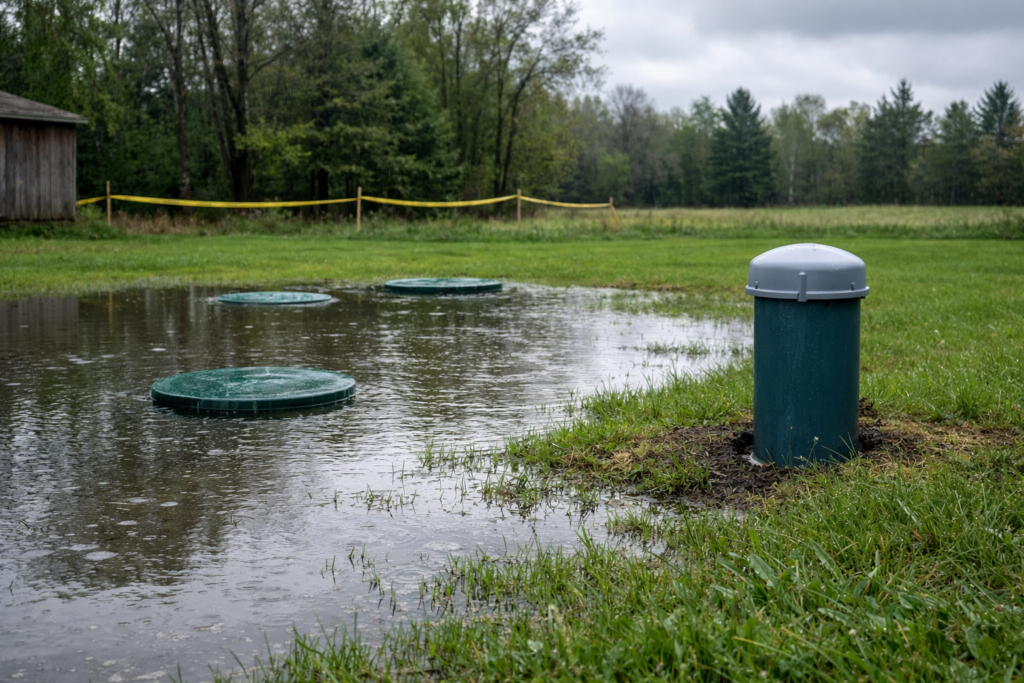
Heavy Rain and Flooding: How Wet Weather Impacts Septic Systems and Wells (Signs, Risks, and Prevention) is more than a seasonal homeowner concern—it’s a health, safety, and property-protection issue. When soils become saturated, water tables rise and drainage slows down. That combination can cause septic systems to back up, reduce treatment performance in the drainfield, and increase the risk of contaminants reaching private wells.
If you’re troubleshooting a similar issue, this guide may help: Well Pump Short Cycling 101: Causes, Quick Tests, and Repair Options. For background reading from a trusted source, see EPA guidance on septic systems.
Understanding what changes during wet weather helps you recognize early warning signs, protect your drinking water, and avoid costly repairs. Below, you’ll find practical indicators to watch for, the real risks involved, and prevention steps that work before, during, and after major storms.
Why heavy rain changes how septic systems work
Septic systems depend on gravity, soil absorption, and oxygen in the drainfield to finish treating wastewater. During prolonged rain or flooding, those conditions shift in ways that can quickly overwhelm the system.
- Saturated soil can’t absorb effluent well. When the drainfield is waterlogged, treated wastewater has nowhere to go, increasing the chance of surfacing effluent or backups.
- Rising groundwater reduces treatment. Higher groundwater can push against the drainfield, reducing the soil’s ability to filter and remove pathogens.
- Hydraulic overload happens faster than most people think. A few days of increased indoor water use (laundry, long showers, guests) during wet conditions can be enough to create a backup.
Uncommon but practical insight: Even if you never see a backup, wet weather can silently reduce the drainfield’s oxygen levels. Lower oxygen slows down the biological processes that help break down pollutants, so the system may “work” while treating less effectively.
How heavy rain and flooding affect private wells
Private wells can be vulnerable during wet weather because water can carry contaminants across the surface or through shallow soils and into the well. The risk can increase when septic systems nearby are stressed or when floodwater contacts well components.
- Surface runoff can enter the well. Poor grading, missing well caps, cracked casings, or a well pit below grade can allow contamination during storms.
- Shallow wells are generally more susceptible. They tend to be closer to surface influences and may show changes in water quality sooner after rain events.
- Floodwater can overwhelm sanitary seals. If floodwater reaches the top of the well or submerges the cap, bacteria and chemicals can be introduced.
Uncommon but practical insight: Water quality issues often appear 24–72 hours after a major rain, not necessarily during the storm. That delay reflects how groundwater moves and can help you time testing and precautionary measures.
Common signs your septic system is stressed after wet weather
Some symptoms are obvious, while others are easy to miss. Watch for these red flags during and after heavy rain:
- Slow drains throughout the home (multiple fixtures affected).
- Gurgling sounds in plumbing or toilets.
- Sewage odors indoors or outdoors near the tank/drainfield.
- Standing water or unusually lush, bright green grass over the drainfield.
- Toilet backup or sewage coming up through a floor drain.
Uncommon but practical insight: A drainfield that looks “fine” can still be failing during wet weather. If you notice periodic slow drains only after storms, that pattern can point to a drainfield that’s undersized for peak wet-season conditions or impacted by compaction.
Common signs your well water may be impacted
Not all contamination changes taste or smell. Still, these signs warrant caution:
- Cloudy or muddy water, especially after rain.
- New odors (musty, sulfur-like, or “earthy”).
- Sediment in filters increasing quickly.
- Stomach illness in household members without another clear source (always consult a medical professional).
If your area has experienced flooding, treat the well as potentially contaminated until it’s tested and confirmed safe.
Health and property risks you should take seriously
1) Pathogens and waterborne illness
When septic systems don’t treat effectively or when wellheads are exposed, bacteria (like E. coli), viruses, and parasites can enter water supplies. This is one of the most important reasons to be proactive after major storms.
2) Nutrient and chemical contamination
Nitrates can be a concern in groundwater, particularly for infants and pregnant individuals. Flooding can also move fuels, pesticides, and other chemicals toward wells.
3) Costly septic damage
Wet conditions can trigger backups that damage flooring and drywall. Long-term saturation can also shorten drainfield life and lead to expensive repairs or replacement.
4) Mold and indoor air quality problems
Backups and persistent dampness increase the risk of mold growth. If you’ve had a sewage backup, cleanup should be handled carefully and, in many cases, professionally.
Uncommon but practical insight: If your septic tank becomes buoyant in saturated ground, it can shift or “float,” stressing or breaking inlet/outlet lines. This is one reason professionals may caution against pumping an already flooded tank without an on-site assessment.
Prevention: what to do before, during, and after heavy rain
Before wet season or big storms
- Confirm roof gutters and downspouts discharge away from the septic tank and drainfield (and away from the wellhead). Consider extensions if needed.
- Improve grading and drainage so water flows away from your septic area and well. Avoid directing sump pumps to the drainfield.
- Protect the drainfield from compaction. Keep vehicles, heavy equipment, and frequent foot traffic off it—compacted soil drains poorly even in normal conditions.
- Maintain vegetative cover. Grass helps reduce erosion and improves infiltration patterns. Avoid deep-rooted trees close to system components.
- Schedule routine septic inspections and pumping as recommended locally. A well-maintained tank reduces solids carryover that can clog the drainfield.
During heavy rain and flooding
- Use less water indoors. Delay laundry, shorten showers, and spread out dishwasher use to reduce hydraulic load.
- Do not open or service septic components. Floodwater can carry pathogens, and saturated conditions can be unsafe.
- Avoid driving over soggy areas near the drainfield or tank—ruts and compaction can create long-lasting damage.
- If floodwater reaches the wellhead, stop using the water for drinking and cooking until testing confirms it’s safe. Use bottled water or a safe alternative supply.
Uncommon but practical insight: If you have a treatment unit or pump chamber, a long power outage during a storm can cause alarms or reduced performance. Know where your alarms are, what they indicate, and how to reduce water use until power returns.
After the storm
- Check for septic warning signs (odors, slow drains, wet spots). If symptoms persist, contact a licensed septic professional.
- Inspect the wellhead area for displaced caps, damaged casing, or pooled water. Do not attempt repairs you’re not qualified to perform.
- Test your well water if you suspect contamination, if the water looks different, or if flooding occurred. Ask your local health department or a certified lab about a post-flood test panel (often includes total coliform/E. coli and other relevant indicators).
- Disinfect only when appropriate. If contamination is confirmed, follow local guidance on shock chlorination and flushing. Improper disinfection can be ineffective or damage equipment.
Key Takeaways
- Heavy Rain and Flooding: How Wet Weather Impacts Septic Systems and Wells (Signs, Risks, and Prevention) starts with soil saturation—drainfields can’t absorb or treat as well when groundwater is high.
- Slow drains, odors, and wet drainfield areas are common signs your septic system is under stress after storms.
- Well contamination may show up days after heavy rain; test if flooding occurred or water quality changes.
- Redirect runoff away from the drainfield and wellhead, reduce indoor water use during storms, and avoid soil compaction.
- When in doubt, use a licensed septic professional and a certified water-testing lab—early action prevents bigger problems.
Conclusion
Heavy Rain and Flooding: How Wet Weather Impacts Septic Systems and Wells (Signs, Risks, and Prevention) comes down to anticipating how water moves across your property and through your soil. Saturated ground can overwhelm a septic drainfield and increase the chances that contaminants reach a private well—sometimes without obvious symptoms at first. By managing runoff, protecting the drainfield, reducing water use during storms, and testing your well after flooding, you can lower health risks and extend the life of your onsite systems.
If you’ve experienced repeated wet-weather septic issues or any well-water concerns, schedule a professional inspection and talk with your local health department about appropriate testing and next steps.