Septic Tank Repair in Augusta GA: Costs, Permits, and How to Hire the Right Pro
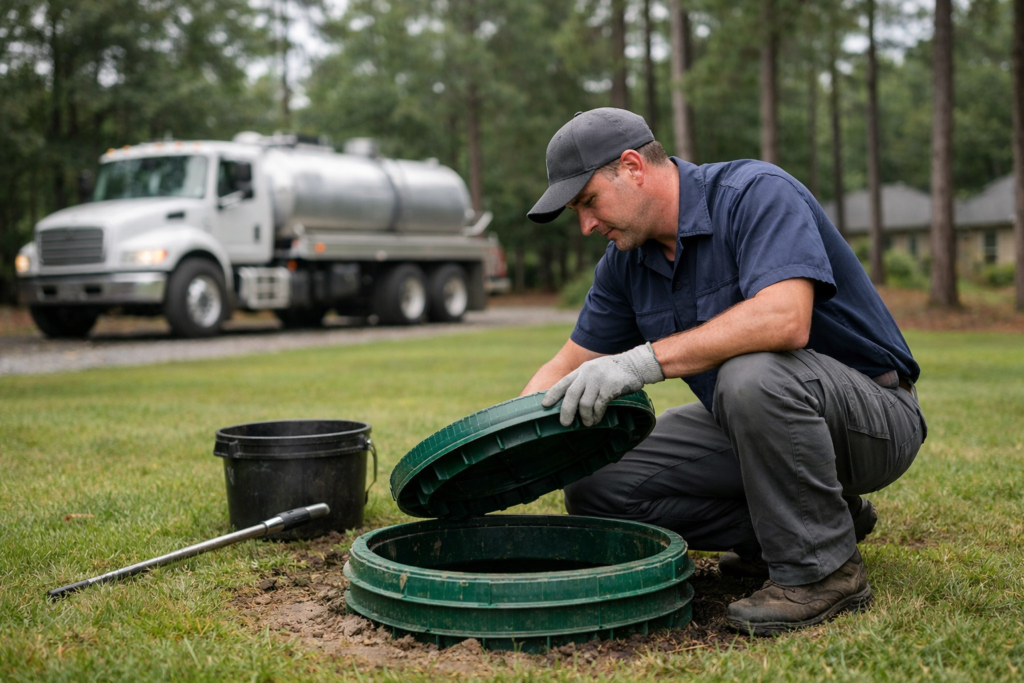
Septic Tank Repair in Augusta GA
If you’re searching for Septic Tank Repair in Augusta GA, you’re likely dealing with slow drains, sewage odors, soggy patches in the yard, or a system that just won’t keep up. The Augusta area’s mix of clay-heavy soils, seasonal downpours, and fluctuating groundwater conditions can stress septic components—especially drainfields and older concrete tanks. This page explains what repairs typically involve, what they cost, what local rules may require, and how to choose a qualified septic professional.
If you’re troubleshooting a similar issue, this guide may help: Septic Tank Repair in Fayetteville NC: Costs, Permits, and How to Hire the Right Pro. For background reading from a trusted source, see EPA guidance on septic systems.
While some issues are simple (like a clogged filter or a damaged riser lid), others point to drainfield failure or hydraulic overload. Getting the right diagnosis early is the difference between a straightforward repair and a major replacement.
What to Expect
Septic Tank Repair in Augusta GA usually starts with a site visit and troubleshooting, followed by targeted repairs and (sometimes) a re-inspection. A reputable pro will focus on confirming the failure point rather than guessing.
- Initial assessment (same day to 3 days): interview about symptoms, check tank access, measure scum/sludge levels, inspect inlet/outlet baffles, pump if needed for inspection.
- Diagnostics (1–3 hours typical): check effluent filter, look for crushed lines, inspect pump/alarm (if present), evaluate drainfield saturation, and confirm water-use patterns.
- Repair work (half-day to 2 days): replace baffles/filters, fix broken pipes, seal risers, repair pump systems, or address drainfield-related issues.
- Follow-up: guidance on water use, documentation for permits, and a maintenance schedule.
Uncommon but practical insight: Many “septic failures” are actually indoor plumbing leaks (running toilets, dripping faucets, softener discharges) that overload the system. A good contractor will ask about water bills and may recommend a dye test or meter check before digging.
Common Problems We See
- Sewage odors indoors or near the tank: failed seals, cracked lids, dried traps, or venting issues.
- Slow drains/gurgling: clogged effluent filter, blocked line, or high tank level from drainfield backup.
- Wet or spongy yard over the drainfield: saturated soil, broken distribution box, or drainfield biomat buildup.
- Alarm sounding (for pump systems): failed pump, float switch issues, power problems, or high water from downstream restriction.
- Backups after heavy rain: seasonal groundwater rise, surface water intrusion, or compromised lids/risers letting stormwater in.
- Recurring clogs despite pumping: damaged baffles, collapsed pipe, or improper grade/sags in the line.
Uncommon but practical insight: In parts of the CSRA, clay soils can slow percolation. If the drainfield is marginal, even roof downspouts discharging uphill of the field can push it over the edge during storms. Redirecting surface water is sometimes a key part of “repair.”
Typical Costs & Pricing Factors
Pricing for Septic Tank Repair in Augusta GA depends on access, system type, and how far the problem has progressed. The ranges below are estimates; your site conditions and parts can move the total up or down.
- Diagnostic visit: $100–$300 (sometimes credited toward repairs)
- Pumping (often required for inspection/repair): $300–$600+
- Effluent filter cleaning/replacement: $150–$450
- Inlet/outlet baffle repair: $250–$900
- Riser or lid repair/sealing: $200–$800
- Drain line repair (spot fix): $500–$2,500
- Distribution box repair/replacement: $800–$2,500
- Pump/float/alarm repairs (if applicable): $300–$2,000+
- Drainfield restoration attempts (limited cases): $1,500–$8,000 (results vary)
- New drainfield/system replacement: $6,000–$20,000+
What drives the price: depth of tank/lines, whether the tank is buried without risers, soil conditions and saturation, equipment access, permitting requirements, and whether excavation is needed.
Uncommon but practical insight: If the tank isn’t easily accessible, adding watertight risers during a repair can save money long-term by reducing labor for future pumping and preventing stormwater intrusion—especially important in heavy rain seasons.
Permits, Inspections, and Local Considerations
In and around Augusta (Richmond County and nearby Columbia County), septic work may trigger requirements through county health/environmental departments and state rules. Minor component replacements may not require the same process as system modifications, but anything involving the drainfield, relocation, capacity changes, or new connections often does.
- Permits: Repairs to tanks, drainfields, or system design changes may require a permit and approved plan.
- Inspections: Expect inspections for significant repairs or replacements, particularly when soil evaluation or new field installation is involved.
- Site factors: Augusta’s rainfall patterns and occasional high groundwater can complicate timing—installations and repairs may be limited during saturated conditions.
- Property constraints: Setbacks from wells, property lines, waterways, and structures can affect feasible repair options.
Uncommon but practical insight: If you’re near creeks or low-lying areas, inspectors may be more cautious about drainfield changes due to runoff and environmental protection. A contractor who can document elevations, setbacks, and as-built layouts reduces delays.
Tip: Ask your contractor to help you locate or recreate your system “as-built” sketch. Many homeowners don’t have it, and it can prevent unnecessary digging.
How to Choose the Right Pro
Not all plumbers handle septic work, and not all septic pumpers do repairs beyond pumping. Use this checklist to hire confidently for Septic Tank Repair in Augusta GA.
- Specialization: Confirm they routinely repair septic components (baffles, d-boxes, pumps, lines), not just pump tanks.
- Clear diagnostics: They explain why they think a component failed and how they confirmed it.
- Permitting support: They can tell you when a permit is needed and who pulls it.
- Excavation approach: They use careful locating methods (probe, records, tracing) to avoid damaging lines.
- Parts quality: They use code-appropriate, corrosion-resistant parts and watertight lids/risers.
- Written scope: You get a written estimate with what’s included/excluded (pumping, backfill, restoration, re-inspection).
- Maintenance guidance: They provide realistic pumping intervals and water-use recommendations based on household size.
Uncommon but practical insight: Ask whether they will check the effluent filter before recommending pumping or digging. A clogged filter can mimic drainfield failure—and cleaning it is far cheaper than excavation.
Questions to Ask Before You Hire
- What symptoms point you to the likely failure point—tank, line, pump, or drainfield?
- Will you measure sludge/scum and inspect inlet/outlet baffles?
- Do you check for plumbing leaks or excessive water use that could be overloading the system?
- Will you inspect/clean the effluent filter, and is that included in the quote?
- If excavation is needed, how will you locate lines and protect the drainfield from equipment damage?
- What permits/inspections apply to this repair, and who handles them?
- What warranties apply to parts and labor, and what voids them (e.g., driving over the field)?
- After repair, what maintenance schedule do you recommend for my household size?
FAQ
How do I know if I need septic repair or just pumping?
Pumping removes solids but doesn’t fix broken baffles, clogged filters, crushed lines, or drainfield issues. If problems return quickly after pumping, diagnostics are needed.
Is it safe to use additives to fix a failing system?
Be cautious. Many additives don’t solve structural problems and can stir solids into the drainfield. It’s better to identify the mechanical or hydraulic cause first.
Why does my system act up after heavy rain?
Saturated soil can’t absorb effluent as well, and groundwater can rise around the drainfield. Also, damaged lids/risers can let stormwater into the tank, overfilling it.
Can a drainfield be repaired without replacing it?
Sometimes. If the issue is a broken distribution box, a crushed pipe, or surface water intrusion, targeted repairs may help. If the soil interface is clogged (biomat), replacement may be the lasting fix.
What should I do if sewage is backing up into the house?
Stop using water, especially toilets and laundry, and call a septic professional. Continued use can worsen damage and create a health hazard.
How often should I pump in Augusta?
Most households pump every 3–5 years, but tank size, household size, and garbage disposal use can shorten that interval. A pro can base it on sludge measurements.
Will driving or parking over the drainfield cause problems?
Yes. Vehicle weight can crush pipes and compact soil, reducing absorption. Keep heavy equipment and parking off the drainfield area.
Key Takeaways
- Septic Tank Repair in Augusta GA often starts with diagnostics—many issues are fixable without full replacement.
- Clay soils, heavy rain, and groundwater conditions can worsen backups and drainfield saturation.
- Costs vary widely; ask for a written scope that clarifies pumping, excavation, and restoration.
- Permits/inspections may apply for drainfield or system modifications—plan for the local process.
- Choosing a pro who checks filters, baffles, leaks, and surface-water routing can prevent repeat failures.
If you need Septic Tank Repair In Augusta GA, prioritize a contractor who diagnoses the system holistically—tank condition, filters, water use, lines, and drainfield performance—so you pay for the right fix the first time.