Septic Tank Repair in Savannah GA: Costs, Permits, and How to Hire the Right Pro
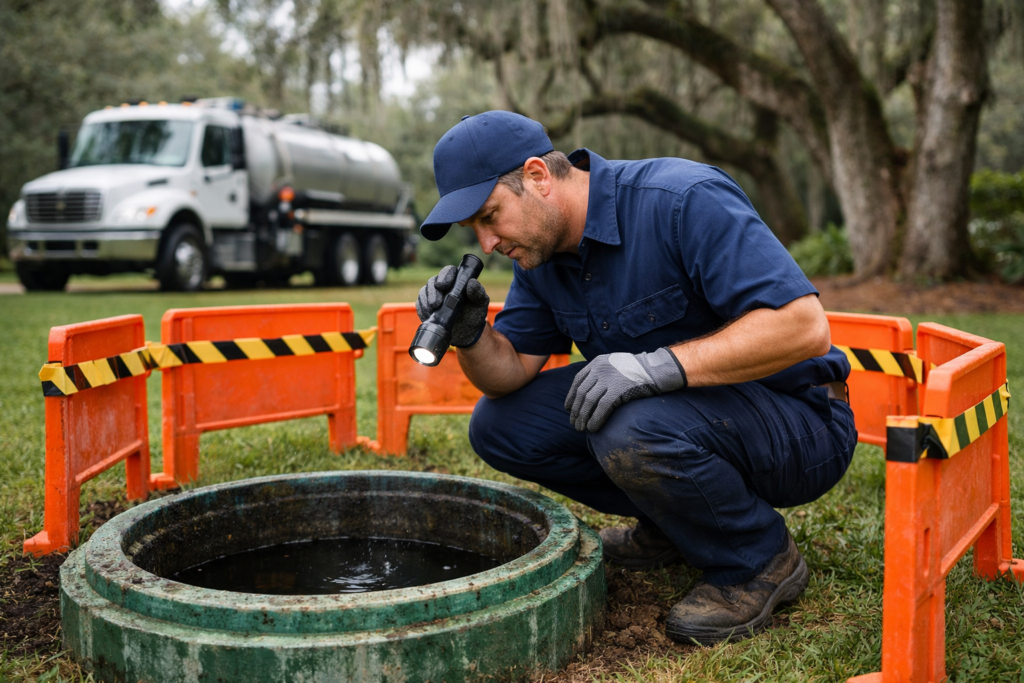
Septic Tank Repair in Savannah GA
Need Septic Tank Repair in Savannah GA? In the Coastal Empire, septic issues can escalate quickly because of sandy soils, a naturally high water table in low-lying areas, and heavy rain events that saturate drainfields. This page walks you through what repairs typically involve, what they cost (as estimates), what local permitting may apply, and how to choose a contractor who can fix the problem without creating a bigger one.
If you’re troubleshooting a similar issue, this guide may help: Septic Tank Repair in Spartanburg SC: Costs, Permits, and How to Hire the Right Pro. For background reading from a trusted source, see EPA guidance on septic systems.
Because many Savannah-area homes sit near marshy ground, tidal influence, or dense tree canopy, a “simple backup” can actually be a drainfield that’s staying too wet to treat wastewater properly. The right professional will diagnose the system as a whole—tank, baffles/tees, piping, distribution, and drainfield—not just clear a clog and leave.
What to Expect
Septic Tank Repair in Savannah GA usually starts with a fast triage visit, followed by diagnosis and then repair work that may range from a same-day fix to a multi-day project.
- Initial visit (same day–48 hours): A pro checks for signs of overflow, tank level, inlet/outlet condition, and whether the drainfield is accepting effluent.
- Diagnostic steps (1–2 hours): May include uncovering access lids, checking baffles/tees, running water-load tests, or inspecting the distribution box and drainfield lines.
- Minor repairs (same day): Replacing a damaged lid, tee, or effluent filter; clearing an inlet line; resealing risers; adjusting a distribution box.
- Moderate repairs (1–2 days): Replacing a section of pipe, repairing a collapsed line, fixing root intrusion, pump replacement for pump tanks, or adding/repairing risers for safe access.
- Major repairs (several days–weeks): Drainfield repairs, significant excavation, or work requiring permits/inspections and scheduling around weather and site conditions.
Practical insight: In Savannah’s rainy seasons, contractors may recommend postponing certain drainfield repairs until soils are drier. Working saturated ground can smear soil pores and reduce long-term drainfield performance.
Common Problems We See
Local conditions matter. In and around Savannah, these septic repair issues come up frequently:
- Backups and slow drains: Often due to a full tank, clogged inlet, blocked effluent filter, or saturated drainfield.
- Standing water or soggy yard: Can indicate drainfield failure, broken lines, or excessive groundwater infiltration.
- Odors near the tank or drainfield: Sometimes a failing seal, cracked lid, or venting issue—not always “just needs pumping.”
- Root intrusion: Mature oaks and other trees can invade lines and distribution boxes, causing repeated clogs.
- Cracked tank lids or missing risers: A safety hazard and a common source of stormwater infiltration.
- High groundwater problems: Groundwater can infiltrate older tanks/lines, and saturated drainfields lose treatment capacity.
- Improper downspout/yard drainage: Roof runoff directed toward the drainfield can overload it during storms.
Practical insight: A recurring “gurgle” after heavy rain is a red flag for hydraulic overload (water has nowhere to go), not just a clog. A good pro will ask about rainfall timing and yard drainage patterns.
Typical Costs & Pricing Factors
Pricing varies by access, diagnosis time, excavation needs, and whether parts are standard or specialty. These are estimates for Septic Tank Repair in Savannah GA and should be confirmed with on-site evaluation.
- Diagnostic visit / troubleshooting: ~$150–$400+ (may be credited toward repair by some providers)
- Effluent filter cleaning/replacement: ~$150–$450
- Replace inlet/outlet tee (baffle): ~$250–$900
- Riser installation / lid repair: ~$300–$1,500 (depends on depth and materials)
- Clearing or repairing a sewer line to the tank: ~$300–$1,500+
- Distribution box repair/leveling: ~$500–$2,000+
- Pipe replacement (excavation required): ~$1,000–$4,000+
- Pump repair or replacement (if applicable): ~$800–$2,500+
- Drainfield repair/rehabilitation: ~$3,000–$15,000+ (site-dependent)
Big pricing drivers:
- Depth and accessibility: Tanks buried deep or under decks/landscaping cost more to access.
- Soil moisture and groundwater: Wet sites can require dewatering, careful excavation, or scheduling delays.
- System type: Conventional vs. pump-assisted or advanced treatment systems.
- Permits/engineering: Some repairs (especially drainfield work) may require county approval.
Practical insight: Adding risers is an “invisible” upgrade many homeowners skip, but it often reduces future service costs because pros can access lids without repeated digging.
Permits, Inspections, and Local Considerations
For Septic Tank Repair in Savannah GA, permitting depends on the scope of work and local jurisdiction (city vs. county), plus Georgia and Coastal Health District requirements. Minor component swaps (like a filter or tee) may not require a permit, but anything involving drainfield replacement/expansion, new tanks, relocating components, or significant alterations often does.
- Health department oversight: Septic systems are typically regulated through local environmental health authorities. Expect rules around setbacks, system sizing, and drainfield placement.
- High water table & flood-prone areas: Low-lying Savannah neighborhoods and surrounding areas can face stricter design constraints. Your pro may recommend alternative solutions if a conventional drainfield can’t stay sufficiently separated from groundwater.
- Marsh and coastal constraints: Properties near wetlands may have additional restrictions. Work could require extra review if sensitive areas are involved.
- Stormwater management: Redirecting downspouts and improving grading away from the drainfield can be essential to prevent repeat failures.
Practical insight: Ask your contractor how they will document the system layout (photos, measurements, as-built sketch). In older Savannah properties, records can be incomplete, and documentation helps with future repairs and resale.
How to Choose the Right Pro
Use this checklist to hire confidently and avoid quick fixes that don’t last:
- Experience with coastal conditions: Ask if they routinely work in high groundwater and sandy soils common around Savannah.
- Clear diagnostic process: They should explain how they’ll confirm whether the issue is the tank, line, pump, or drainfield.
- Scope in writing: Estimate should list tasks, parts, and what “done” means (e.g., restored flow, leak test, water-load test).
- Permitting guidance: They should tell you if a permit/inspection is likely and who pulls it.
- Safety and access: They should recommend secure lids/risers and discuss any trip/fall or exposure hazards.
- Warranty and follow-up: Ask what’s covered and for how long, and whether they’ll re-check after heavy rain if symptoms return.
Practical insight: If a contractor recommends drainfield replacement without checking for a clogged effluent filter, broken outlet tee, or crushed line, treat that as a red flag. Those smaller failures can mimic drainfield problems.
Questions to Ask Before You Hire
- What specific tests will you perform to diagnose the issue (tank level check, line inspection, D-box check, water-load test)?
- Do you expect the problem is hydraulic overload (rain/groundwater) or a mechanical failure (broken pipe, failed pump)? Why?
- Will you uncover both access lids and inspect inlet/outlet tees and the effluent filter?
- If excavation is needed, how will you protect nearby landscaping and manage wet soil?
- What parts will you replace vs. clean/repair—and why?
- Will this work require a permit or inspection? Who coordinates it?
- How do you prevent stormwater from entering the system (lid sealing, risers, grading recommendations)?
- What maintenance schedule do you recommend after the repair?
FAQ
How do I know if I need septic repair or just pumping?
If your tank is overdue for pumping, pumping can help—but repeated backups, soggy drainfield areas, or odors after pumping often point to a component or drainfield issue that needs repair.
Is it normal for septic problems to get worse after heavy Savannah rain?
Yes. Saturated soils and a high water table can reduce drainfield absorption. A pro should evaluate grading, downspouts, and whether groundwater is infiltrating the tank or lines.
Can tree roots damage septic lines in Savannah?
They can. Roots seek moisture and can enter small cracks or joints. Root intrusion commonly affects older lines and distribution components near mature trees.
What’s an effluent filter and why does it matter?
An effluent filter sits at the tank outlet to keep solids from reaching the drainfield. If it clogs, you may get slow drains or backups even when the drainfield is okay.
Do I need a permit to repair my septic system?
Some minor repairs may not, but larger repairs—especially drainfield work or system alterations—often do. Your contractor should confirm requirements with the local authority having jurisdiction.
How can I prevent repeat septic issues?
Keep roof and surface water away from the drainfield, pump on a reasonable schedule, avoid flushing wipes/grease, and fix small component problems (like a failing lid seal) before they become major.
Key Takeaways
- Septic Tank Repair in Savannah GA often requires diagnosing the entire system—tank, lines, and drainfield—because coastal rain and groundwater can mask the real cause.
- Costs vary widely; excavation depth, wet soils, and drainfield involvement are the biggest price drivers.
- Permits may apply for major repairs, especially drainfield work or system modifications.
- Ask about effluent filters, inlet/outlet tees, and stormwater management—small components can cause big symptoms.
Conclusion
If you’re dealing with backups, odors, or soggy ground, Septic Tank Repair In Savannah GA is most successful when the contractor accounts for local groundwater, rainfall patterns, and site drainage—not just what’s happening inside the tank. Get a clear diagnostic plan, a written scope, and guidance on permits so your repair holds up through the next storm season.
Request quotes from septic repair pros and compare their diagnostic approach, not just the bottom-line price.