Septic Tank Repair in Spartanburg SC: Costs, Permits, and How to Hire the Right Pro
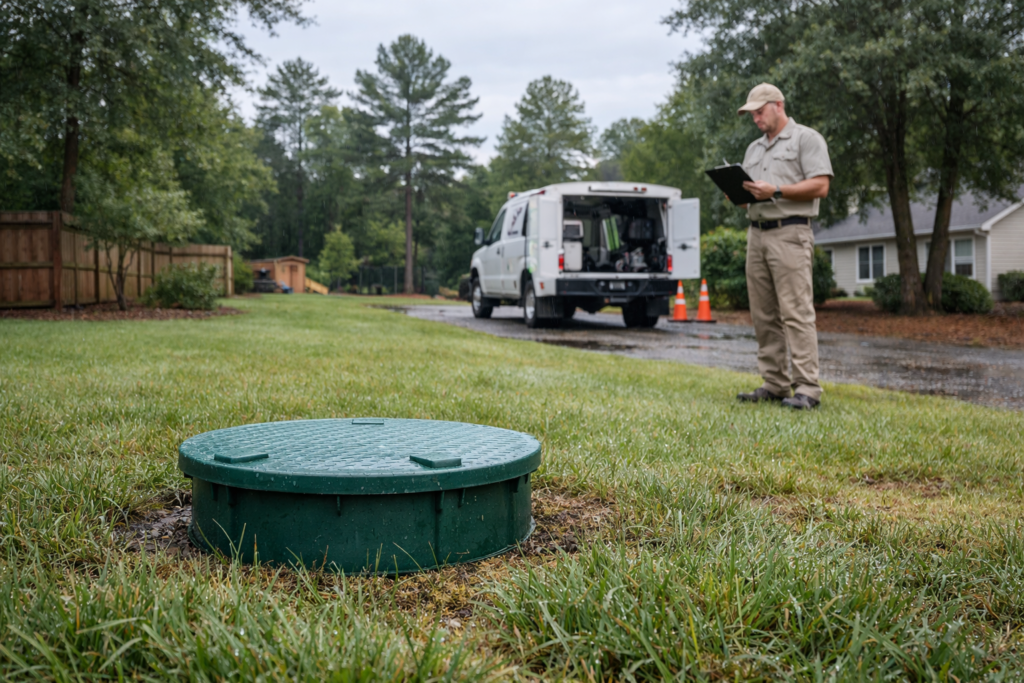
Septic Tank Repair in Spartanburg SC
If you’re dealing with slow drains, odors, or soggy patches in the yard, Septic Tank Repair in Spartanburg SC is often time-sensitive—especially after heavy Upstate rain. Spartanburg County’s mix of clay-heavy soils and occasional high seasonal groundwater can make septic issues show up quickly (and sometimes in surprising places, like downhill from the tank or near a stormwater swale). This guide explains what homeowners can expect, what problems are common locally, typical repair costs, and how to hire a qualified professional without guessing.
If you’re troubleshooting a similar issue, this guide may help: Septic Tank Repair in Columbia SC: Costs, Permits, and How to Hire the Right Pro. For background reading from a trusted source, see EPA guidance on septic systems.
What to Expect
Septic Tank Repair in Spartanburg SC usually starts with diagnostics, then targeted repair work, followed by verification that the system is operating correctly. A good contractor will focus on identifying the failed component (tank, baffle, line, pump, or drainfield) rather than defaulting to “pump it and see.”
- Initial call & symptom review: same day to a few days, depending on demand and weather.
- Site visit & troubleshooting: 1–3 hours. May include tank opening, effluent filter check, dye testing, or flow testing.
- Repairs: simple fixes can be same-day; excavations or drainfield work may take 1–3 days.
- Inspection/approval (when required): timing varies—plan extra time if the repair involves replacement of components regulated by DHEC.
Uncommon but practical insight: Ask your pro to check the tank’s liquid level before pumping. A tank that’s unusually low can indicate a leak; pumping first can erase that clue and delay the real fix.
Common Problems We See
- Root intrusion: tree roots entering older pipes or compromised joints, causing recurring clogs or backups.
- Cracked or deteriorated baffles: damaged inlet/outlet baffles let solids escape into the drainfield, accelerating failure.
- Effluent filter blockage: modern tanks often have filters that protect the drainfield but require periodic cleaning.
- Hydraulic overload: leaks, running toilets, or multiple loads of laundry in a day can exceed drainfield capacity—common during holiday gatherings.
- Drainfield saturation: prolonged rain, compacted soil, or poor surface drainage can keep trenches wet and reduce treatment.
- Pump/alarm issues (mound or pump-to-field systems): failed float switches, burnt pumps, or tripped breakers.
Uncommon but practical insight: In parts of Spartanburg, yard regrading and added downspouts can unintentionally funnel roof runoff toward the drainfield. That “helpful” drainage change can trigger wet spots and odors even when the septic system itself is intact.
Typical Costs & Pricing Factors
Pricing varies by access, soil conditions, system type, and whether excavation is needed. The ranges below are estimates to help you budget; your on-site diagnosis will determine the real scope.
- Diagnostic visit: ~$150–$400+ (may be credited toward repair by some providers).
- Pumping (not a repair, but often part of service): ~$300–$600+ depending on tank size and access.
- Effluent filter cleaning/replacement: ~$150–$450.
- Baffle repair/replacement: ~$300–$1,200 (higher if concrete repair or specialty parts are needed).
- Pipe repairs (spot excavation): ~$500–$2,500 depending on depth, length, and restoration.
- Septic tank repair (cracks, risers, lids): ~$400–$2,000+.
- Lift/pump station repairs: ~$350–$1,800 (pump, floats, alarm troubleshooting).
- Drainfield repair/partial replacement: ~$2,500–$10,000+.
- Full drainfield replacement: often ~$7,500–$20,000+ depending on design and site constraints.
Cost drivers in Spartanburg: clay soils (harder digging, slower percolation), deep lines, limited access for equipment, and wet conditions after storms. Also, if the site requires an engineered design or alternative system, costs increase.
Uncommon but practical insight: If your system has a pump, ask whether a high-water alarm is present and functional. Replacing a $20–$80 alarm component can prevent a multi-thousand-dollar indoor backup.
Permits, Inspections, and Local Considerations
In South Carolina, septic systems fall under oversight through the SC Department of Environmental Services (formerly DHEC). Many repairs—especially those involving the drainfield, tank replacement, or changes to system capacity—may require permits and/or inspections.
- When permits are more likely: drainfield replacement, adding bedrooms (increasing design flow), relocating components, or switching to an alternative system.
- When permits may be less involved: minor line repairs, riser/lid replacement, effluent filter service, or pump replacement (scope-dependent).
Spartanburg-area considerations:
- Rainfall & seasonal saturation: Heavy rain can mimic drainfield failure by temporarily flooding trenches. A qualified pro distinguishes temporary saturation from structural failure.
- Clay and compaction: Upstate clay soils are sensitive to compaction. Driving over the drainfield (especially when wet) can collapse trenches and reduce treatment area.
- Property drainage: Swales, french drains, and gutter discharge should route water away from septic components.
- Wells and setbacks: If you have a private well, repairs may need careful measurement to maintain required separation distances.
Uncommon but practical insight: Keep a simple sketch of your system’s layout (tank, distribution box, drainfield direction). In older homes, records can be incomplete, and a sketch can save an hour of probing—reducing diagnostic costs and yard disruption.
How to Choose the Right Pro
Not every “septic company” specializes in repair diagnostics. Look for a professional who can explain failure modes, provide options, and document what they found.
- Ask for a clear diagnosis: what failed, why it failed, and what evidence supports that conclusion.
- Confirm scope and method: Will they camera-scope lines? Check the distribution box level? Inspect baffles and filter?
- Request itemized estimates: labor, equipment, materials, restoration, and permit/inspection allowances.
- Experience with your system type: gravity, pumped, aerobic/ATU, mound, or alternative systems.
- Plan for protection: how they’ll avoid damaging the drainfield and how they’ll restore disturbed areas.
- Warranty/guarantee terms: what’s covered and for how long (especially on pumps and excavation work).
Questions to Ask Before You Hire
- What tests will you do to confirm the issue (not just symptoms)?
- Will you inspect the baffles, effluent filter, and distribution box as part of the visit?
- Do you expect this to require a permit or inspection in Spartanburg County, and who handles the paperwork?
- What site conditions could change the price (depth, wet soil, access, utility conflicts)?
- If you recommend drainfield work, can you show evidence of failure (standing effluent, biomat, collapsed lines)?
- How will you protect my yard and prevent compaction over the drainfield?
- What maintenance steps will prevent a repeat issue (pumping interval, filter cleaning, water-use habits)?
FAQ
How do I know if I need septic repair or just pumping?
Pumping helps when the tank is overfull, but it won’t fix broken baffles, crushed lines, failed pumps, or a saturated drainfield. If symptoms return quickly, you likely need repair diagnostics.
Can heavy rain in Spartanburg cause septic backups?
Yes. Prolonged rain can saturate the drainfield and reduce its ability to absorb effluent, leading to slow drains or gurgling. A pro can determine whether it’s temporary saturation or a structural issue.
Is it safe to use septic additives to avoid repairs?
Be cautious. Many additives don’t solve mechanical problems and some can push extra solids into the drainfield. The safest “additive” is good maintenance: pumping on schedule, fixing leaks, and cleaning the effluent filter if present.
What should I do immediately if sewage is backing up into the house?
Stop using water, keep people away from affected areas, and call a septic professional. If you have a pump system, check the alarm panel and breaker (don’t open electrical components if you’re unsure). Avoid running laundry or long showers.
Do septic repairs require digging up my whole yard?
Not always. Many issues are localized (a line collapse, a distribution box settlement, a baffle failure) and can be repaired with limited excavation. A careful diagnosis can prevent unnecessary disturbance.
How can I extend the life of my drainfield?
Fix plumbing leaks, spread laundry over the week, keep vehicles off the drainfield, direct roof runoff away, and pump the tank on an appropriate schedule. If you have an effluent filter, clean it as recommended.
Key Takeaways
- Septic Tank Repair in Spartanburg SC starts with evidence-based diagnostics—don’t accept guesswork.
- Clay soils and heavy rain can worsen symptoms; drainage control often matters as much as the septic components.
- Costs range widely: small component repairs may be hundreds, while drainfield work can reach five figures.
- Permits/inspections may apply for drainfield or capacity changes—ask who handles paperwork and timelines.
When problems escalate quickly, choosing the right contractor makes the difference between a targeted fix and an expensive redo. Use the checklists above, document symptoms (when they happen, after rain, during heavy water use), and insist on a clear diagnosis. With the right approach, Septic Tank Repair in Spartanburg SC can restore safe drainage and help protect your yard, home, and long-term system health.