Septic Tank Repair in Fayetteville NC: Costs, Permits, and How to Hire the Right Pro
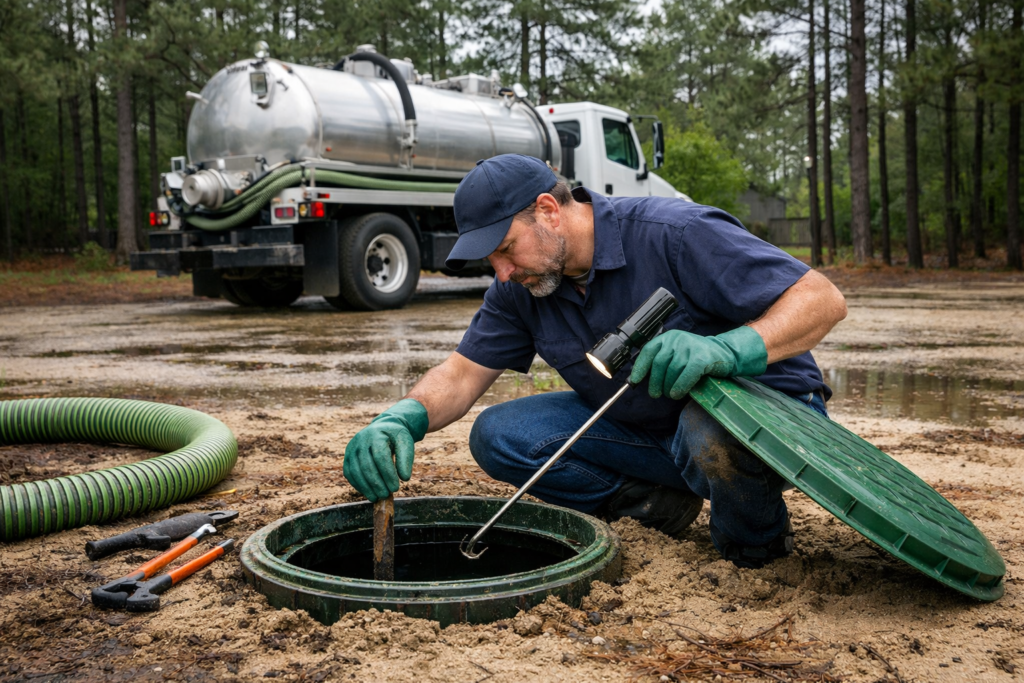
Septic Tank Repair in Fayetteville NC
If you’re dealing with slow drains, sewage odors, or soggy patches in the yard, septic tank repair in Fayetteville NC is not something to put off. Cumberland County’s mix of sandy soils and pockets of higher water table—plus heavy rain events and hurricane-season downpours—can turn a small septic issue into a fast-moving mess. This guide walks you through what repairs typically involve, what they cost (as estimates), and how to choose a qualified septic professional who understands local conditions.
If you’re troubleshooting a similar issue, this guide may help: Septic Repair in Houston, TX: Find the Right Pro, Avoid Costly Backups. For background reading from a trusted source, see EPA guidance on septic systems.
What to Expect
Most septic tank repair in Fayetteville NC jobs follow a similar path: diagnosis, a repair plan, and then the work itself. Timelines vary depending on whether the fix is inside the tank, in the piping, or in the drainfield.
- Same day to 2 days: Initial troubleshooting (visual inspection, checking lids/baffles, measuring scum/sludge, dye testing, locating the tank and lines).
- 1–3 days: Straightforward repairs (replacing a baffle, fixing a broken line, sealing risers/lids, replacing effluent filters, repairing distribution boxes).
- Several days to 2+ weeks: Repairs that require permits, excavation, inspections, or drainfield work—especially if the system design needs modification.
Practical insight: Ask the pro whether they’ll use a hydraulic load test or at least run fixtures under controlled conditions. Many “diagnoses” happen with no water running—meaning intermittent failures can be missed.
Common Problems We See
Homeowners in Fayetteville often run into a few repeat issues, especially in older neighborhoods and properties with mature landscaping.
- Clogged or failed baffles (allowing solids to enter the drainfield).
- Collapsed or cracked inlet/outlet pipes due to age or soil movement.
- Root intrusion in lines near trees or shrubs.
- Saturated drainfields after extended rain; symptoms worsen seasonally.
- Blocked effluent filters (if installed) causing backups in the home.
- Improper grading that routes stormwater over the drainfield.
- Distribution box (D-box) settling leading to uneven field loading and premature failure.
Practical insight: If backups happen mainly after big storms, the culprit is often surface water management (gutters, downspout discharge, swales) rather than just “needing a pump-out.” A good repair plan considers both.
Typical Costs & Pricing Factors
Pricing for septic tank repair in Fayetteville NC depends heavily on access, soil conditions, and whether the drainfield is affected. The ranges below are estimates intended for planning—your site may differ.
- Diagnostic visit / troubleshooting: ~$150–$450 (often credited toward repair).
- Septic pumping (not a “repair,” but commonly paired): ~$300–$600 depending on tank size and access.
- Replace/repair baffle or sanitary tee: ~$250–$900.
- Install/replace risers and secure lids: ~$300–$1,200 (helps future maintenance and safety).
- Clear/repair a sewer line to the tank: ~$300–$1,500+ (depth and excavation drive cost).
- Distribution box repair or replacement: ~$700–$2,500.
- Minor drainfield repairs: ~$1,500–$6,000 (varies widely).
- Drainfield replacement (major): commonly ~$6,000–$20,000+ depending on design and site constraints.
Pricing factors that matter in Fayetteville:
- Depth of the tank/lines (deeper excavation = higher cost).
- Soil type and wet conditions (sandy soils dig easier; saturated areas complicate repairs).
- Access for equipment (fences, landscaping, tight side yards).
- System type (gravity vs. pump system; advanced treatment units can add components and service needs).
- Damage source (heavy vehicles compacting the field; roots; improper DIY work).
Practical insight: A “cheap” line repair that doesn’t include camera verification or proper bedding/backfill can fail again within a year. Ask what proof you’ll receive that flow and grade are correct.
Permits, Inspections, and Local Considerations
In North Carolina, septic systems are regulated through local health departments and state rules. For Fayetteville homes, you’ll often coordinate with Cumberland County for permitting and inspections when repairs go beyond simple component swaps.
- When a permit may be required: drainfield modifications/replacement, relocating components, major capacity changes (e.g., adding bedrooms), or changes to system type.
- When an inspection may be needed: new drainfield lines, repaired distribution boxes, pump/alarm changes, or any work that affects system performance.
- Site-specific constraints: setbacks from wells, property lines, streams/drainage features, and easements; these can limit repair options.
Practical insight: If your home is near a creek or has seasonal wet areas, the pro should discuss seasonal high water table indicators (soil mottling, perched water) because it can influence whether a repair is viable or just a short-term patch.
Also consider Fayetteville’s weather patterns: intense rain can quickly saturate soils. Simple improvements like extending downspouts well away from the drainfield and correcting yard slope can meaningfully reduce recurring symptoms.
How to Choose the Right Pro
For septic tank repair in Fayetteville NC, the best contractor is the one who diagnoses accurately, explains options clearly, and follows local requirements.
- Confirm scope: Do they repair tanks/lines only, or can they also handle drainfield work and permitting?
- Ask about diagnostic methods: Will they locate the system, open the tank, check baffles, measure sludge, and test flow?
- Request written options: At least a “good/better/best” approach when drainfield symptoms appear.
- Get clarity on restoration: Who repairs the yard, reseeds, or replaces irrigation lines after excavation?
- Safety and compliance: Will lids be secured/child-safe, and will work be inspected where required?
- Warranty specifics: What’s covered (labor/materials), for how long, and what voids it (vehicle traffic, overloading, lack of pumping)?
Practical insight: If a contractor immediately recommends a full drainfield replacement without opening the tank and checking internal components, treat that as a red flag. Many failures start at the baffle/filter level.
Questions to Ask Before You Hire
- What do you believe is causing the problem, and how will you verify it?
- Will you open the tank and inspect the inlet/outlet baffles and any effluent filter?
- Can you map the tank, lines, and drainfield so I have a record for the future?
- Will this repair require a permit or inspection in Cumberland County?
- What changes should we make to prevent recurrence (water use, gutters, grading, tree roots)?
- How will you protect the drainfield from compaction during work?
- What are the total costs including excavation, disposal, inspection fees (if any), and yard restoration?
Key Takeaways
- Septic tank repair in Fayetteville NC often requires diagnosing beyond “pump it and hope,” especially after heavy rain.
- Costs vary most by access, depth, and whether the drainfield or D-box is involved.
- Permits/inspections may apply for major repairs—ask early to avoid delays.
- Stormwater control (grading, downspouts) can prevent repeat septic symptoms.
FAQ
How do I know if I need septic repair or just pumping?
Pumping helps when the tank is overfull of solids, but it won’t fix broken pipes, failed baffles, a settled D-box, or a saturated drainfield. If symptoms return quickly after pumping, you likely need a repair and a clearer diagnosis.
Is it safe to use drain cleaners for septic backups?
Use caution. Some chemical cleaners can disrupt tank biology and may not solve the underlying obstruction. If wastewater is backing up, reduce water use and call a septic pro to locate the blockage and evaluate the tank and outlet.
Why does my yard get soggy near the drainfield after rain?
Heavy rain can saturate soil so effluent can’t infiltrate properly. In Fayetteville, this can happen seasonally. A pro should check for grading issues and whether the D-box is distributing evenly; sometimes water management improvements help as much as mechanical repairs.
Can tree roots damage septic lines?
Yes. Roots seek moisture and can enter small cracks or joints, especially in older lines. Root issues are often recurring unless the damaged section is repaired and trees/shrubs near the line are managed.
Will a septic alarm mean I need a new tank?
Not necessarily. Alarms often relate to pump chamber high-water conditions, failed floats, or pump issues. A technician should test the pump, floats, and check-valve, and confirm the discharge line is clear before recommending major replacement.
How can I prevent future septic problems in Fayetteville?
Keep heavy vehicles off the drainfield, direct roof runoff away, fix leaks (to reduce hydraulic overload), pump on a schedule appropriate for household size, and avoid flushing wipes/grease. Ask your provider for a maintenance plan based on your tank size and usage.
When you’re ready to schedule Septic Tank Repair In Fayetteville NC, choose a professional who starts with a thorough inspection, explains options in writing, and accounts for local soil and rainfall conditions. The right repair—paired with smart water and stormwater habits—can extend your system’s life and help avoid emergency backups.