Septic Tank Repair in Greenville SC: Costs, Permits, and How to Hire the Right Pro
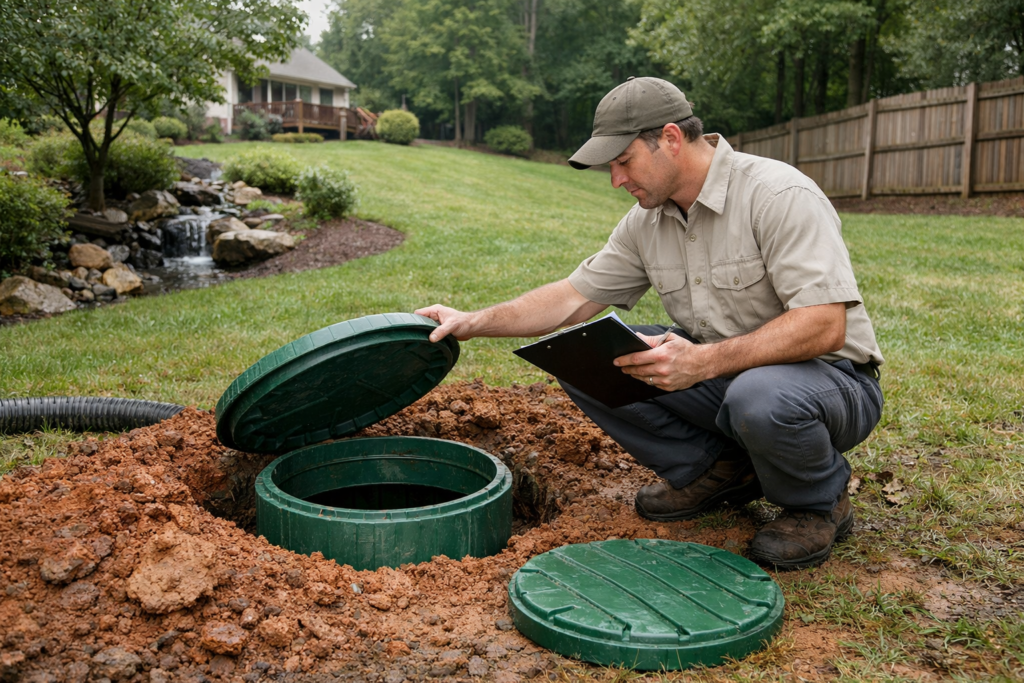
Septic Tank Repair in Greenville SC
If you’re dealing with slow drains, soggy spots in the yard, or sewage odors, Septic Tank Repair in Greenville SC is usually time-sensitive—both for your home and for local health compliance. Greenville’s mix of red clay soils, rolling lots, and periods of heavy rain can make septic issues show up quickly, especially when water can’t percolate easily. The good news: many problems are repairable when caught early, and the right contractor will help you confirm whether you need a simple fix, a component replacement, or a larger system correction.
If you’re troubleshooting a similar issue, this guide may help: Septic Tank Repair in Charlotte NC: Costs, Permits, and How to Hire the Right Pro. For background reading from a trusted source, see EPA guidance on septic systems.
This guide explains what homeowners should expect, what repairs typically cost, how local rules come into play, and exactly what to ask before you hire.
What to Expect
Most septic repairs follow a predictable sequence: diagnose, confirm scope, obtain approvals (if required), then repair and verify performance. Timelines vary based on weather and whether excavation is needed.
- Same day to 2 days: Initial evaluation (history, tank level check, dye test, inspection of baffles/effluent filter, D-box check if accessible).
- 1–7 days: Minor repairs (filter cleaning/replacement, outlet baffle repair, lid riser repair, pump/float replacement) once parts are sourced.
- 1–3+ weeks: Larger repairs involving excavation (broken line replacement, distribution box replacement, drainfield spot repairs) often depend on permits, scheduling, and saturated soil conditions.
Uncommon but practical insight: In Greenville, scheduling repairs during a wet spell can backfire—excavation in saturated clay can smear soil pores and reduce infiltration. A good pro will advise whether to wait for drier conditions or use protective measures to limit compaction.
Common Problems We See
- Clogged effluent filter: Causes slow drains and high tank levels even when the drainfield is fine.
- Broken or offset sewer line: Often from settling, root intrusion, or older pipe materials.
- Damaged baffles or tees: Allows solids to escape the tank and overload the drainfield.
- Failed pump or floats (for pump-assisted systems): Alarms, backups, or wet areas near the pump tank.
- Distribution box (D-box) out of level: Sends too much flow to one trench, causing premature saturation.
- Hydraulic overload: Leaky toilets, running water softeners, or frequent laundry days can exceed the system’s design.
- Surface water intrusion: Downspouts or grading that directs runoff toward the tank or drainfield.
Uncommon but practical insight: A “wet spot” isn’t always a drainfield failure. In Greenville’s clay, water can perch near the surface after storms and mimic septic surfacing. A proper diagnosis separates groundwater and runoff issues from effluent breakout.
Typical Costs & Pricing Factors
Prices vary widely by access, soil conditions, and whether work is inside the tank, at the lines, or in the drainfield. The ranges below are estimates for Greenville-area homes; your property may differ.
- Diagnostic visit / troubleshooting: ~$150–$400 (often credited toward repair by some providers)
- Septic pumping (if needed for inspection/repair): ~$300–$700+ depending on tank size and access
- Effluent filter cleaning/replacement: ~$150–$500
- Baffle/tee repair: ~$250–$1,200
- Lid/riser repair or replacement: ~$200–$1,500 (more if bringing lids to grade for safe access)
- Pipe repair (spot repair of building sewer or septic line): ~$500–$3,000+
- D-box repair/replacement: ~$800–$3,000+
- Pump/float/alarm replacement: ~$500–$2,500+ (equipment + labor)
- Drainfield spot repair or partial rebuild: ~$2,000–$10,000+
Pricing factors that matter in Greenville:
- Clay soils and slope: Harder digging, need for stabilization, and careful grading can increase labor.
- Access: Fenced yards, landscaping, and distance from driveway impact equipment time.
- Water table and wet seasons: Saturated ground can delay work or require dewatering and added protection.
- System type: Pump systems, aerobic components, or advanced treatment add parts and diagnostics.
- Cause of failure: A root-related line break is different from a drainfield overloaded by solids (which may indicate missing baffles or overdue pumping).
Uncommon but practical insight: If a contractor recommends a full drainfield replacement without documenting tank condition (baffles, filter, scum/sludge levels) and D-box function, treat that as a red flag. Many “field failures” are upstream issues.
Permits, Inspections, and Local Considerations
In South Carolina, septic systems are regulated through SCDHEC (South Carolina Department of Health and Environmental Control). In the Greenville area, repairs that change the system design, move components, or rebuild drainfield sections may require review/approval—while minor component swaps may not. Because rules can depend on system type and scope, it’s smart to confirm requirements before digging.
- When permits are more likely: drainfield repair/replacement, relocating lines, changing tank size, adding bedrooms, or altering the permitted flow.
- When permits may be minimal: replacing pumps/floats/alarms, repairing a lid, replacing an effluent filter, or like-for-like pipe repairs (varies by case).
- Inspections: Larger repairs often require inspection before backfill; plan for scheduling.
Greenville-specific considerations:
- Runoff management matters: Heavy rains and sloped lots can send stormwater into the drainfield area. Correcting downspouts and grading is often part of a durable repair.
- Clay can mask symptoms: Effluent may travel laterally before surfacing; pros may probe trenches or use camera/locators to pinpoint issues.
- Recordkeeping: Ask for photos and notes for your homeowner file—useful for future service and resale disclosures.
Uncommon but practical insight: If your system uses a pump, verify the electrical circuit and alarm panel are protected from moisture and pests. Ants and condensation inside alarm enclosures cause more “mystery failures” than many homeowners realize.
How to Choose the Right Pro
Use this checklist to compare septic contractors and avoid guesswork.
- Diagnosis-first approach: They explain how they’ll confirm the failure mode (not just “pump it and see”).
- Experience with your system type: Gravity vs. pump, advanced treatment, older tanks, or alternative fields.
- Clear scope of work: Written estimate with what’s included (excavation, backfill, restoration, haul-off).
- Locating and protection: They locate utilities and mark septic components before digging.
- Soil and drainage awareness: They discuss runoff control and compaction avoidance.
- Warranty in writing: What’s covered, for how long, and what maintenance is required to keep it valid.
- Documentation: Photos, pump model numbers, as-built notes, and maintenance recommendations.
Uncommon but practical insight: Ask whether they’ll add or extend risers to grade if your lids are buried. It costs more upfront, but it reduces future labor costs and discourages “skipped maintenance” that leads to bigger repairs.
Questions to Ask Before You Hire
- What tests will you use to confirm the problem (camera, dye test, tank inspection, pump drawdown test)?
- Will you check the baffles/tees and effluent filter before recommending drainfield work?
- Do you anticipate any permits/inspections for this scope, and who handles the paperwork?
- What site restoration is included (grading, seed/straw, driveway repair, landscaping)?
- If you’re replacing a pump, what model and horsepower, and is it a like-for-like replacement?
- How will you protect the yard from rutting/compaction, especially if the ground is wet?
- What maintenance should I do after the repair (pumping interval, filter cleaning, alarm checks)?
FAQ
How do I know if I need septic repair or just pumping?
Pumping helps when the tank is overdue and solids are reducing capacity, but it won’t fix broken pipes, failed pumps, damaged baffles, or saturated trenches. A proper inspection checks components and flow paths.
Is a sewage smell always a septic tank problem?
No. It can be a dry P-trap, vent issue, or a leak in the building sewer line. Outdoors, odors near the tank or field can indicate a high tank level, surfacing effluent, or a damaged lid/venting issue.
Can heavy rain cause septic backups in Greenville?
Yes. Saturated soils reduce infiltration and can overwhelm marginal drainfields. Also, surface runoff directed toward the field can create temporary “no place for water to go” conditions. Managing grading and downspouts is often part of the solution.
What should I do immediately if sewage is backing up?
Stop using water (toilets, laundry, showers), keep people and pets away from wet areas, and call a septic professional. If you have a pump/alarm, note any alarms and avoid resetting breakers repeatedly.
Will a septic additive fix my system?
Additives rarely solve mechanical failures or structural damage, and they can’t “unclog” a saturated drainfield. Focus on inspection, pumping when due, fixing broken components, and reducing hydraulic overload.
How often should Greenville homeowners pump their septic tank?
Common guidance is every 3–5 years, but it depends on household size, tank size, and usage. If you have a garbage disposal, high laundry volume, or a small tank, you may need more frequent pumping.
Key Takeaways
- Septic Tank Repair in Greenville SC often requires diagnosis beyond pumping—filters, baffles, D-boxes, and pumps are frequent culprits.
- Greenville’s clay soils and heavy rains can amplify symptoms; runoff control and compaction avoidance matter.
- Costs range widely; written scope and documentation help you compare bids fairly.
- Permits/inspections may apply for drainfield or design changes—confirm early to avoid delays.
Conclusion
When you need Septic Tank Repair in Greenville SC, the best results come from a pro who diagnoses the true cause, explains options in plain language, and accounts for local soil and drainage realities. Compare estimates based on scope—not just price—and prioritize contractors who document findings, handle compliance responsibly, and set you up with a practical maintenance plan.