Septic Tank Repair in Ocala FL: Costs, Permits, and How to Hire the Right Pro
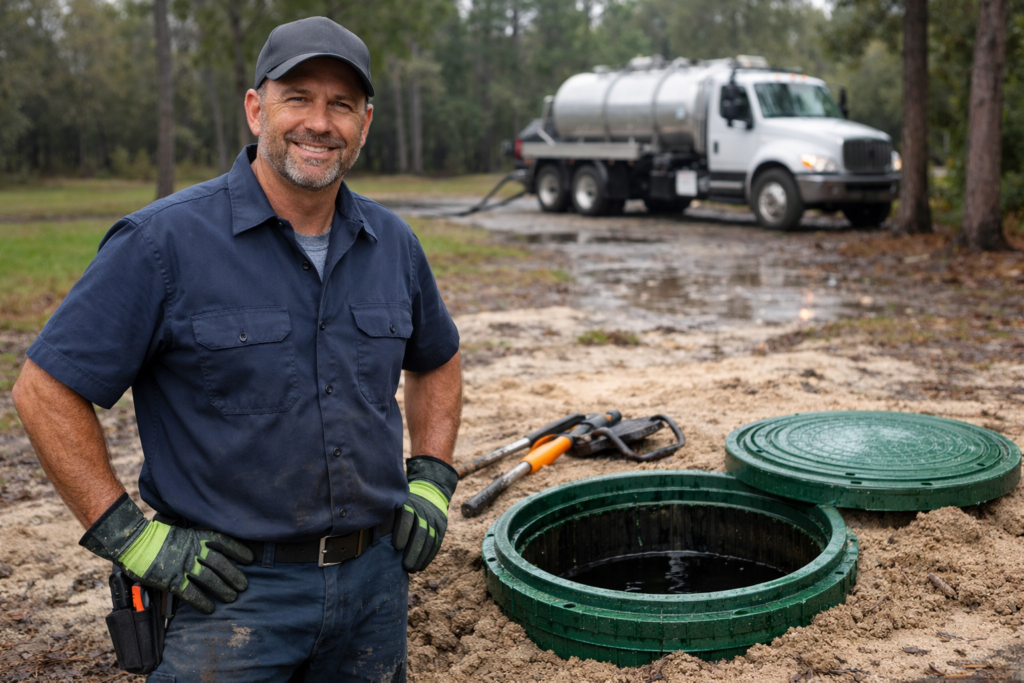
Septic Tank Repair in Ocala FL
If you’re dealing with slow drains, sewage odors, or soggy patches in the yard, Septic Tank Repair in Ocala FL is not something to put off. Ocala-area properties often sit on sandy soils with pockets of limestone, and many neighborhoods rely on private septic systems—so a small issue can quickly become a health hazard or an expensive drainfield problem if ignored. This guide explains what repairs typically involve, what they cost, and how to choose a qualified professional who understands Marion County requirements and Florida conditions.
If you’re troubleshooting a similar issue, this guide may help: Septic Inspection FAQ: What Inspectors Check, Common Failure Points, and How to Prepare.
Key Takeaways
- Act fast on warning signs (odors, wet spots, backups) to prevent drainfield failure.
- Ocala’s sandy soils and seasonal rains can expose weak seals, lids, and drainfield performance issues.
- Permits often apply when repairs involve the tank, drainfield, or system modifications—verify before work begins.
- Get a clear scope: locating, diagnosing, repairing, and confirming performance are different line items.
What to Expect
Septic Tank Repair in Ocala FL typically starts with diagnosis—because the same symptom (like a backup) can be caused by anything from a clogged house line to a failed pump or saturated drainfield. Most reputable pros follow a step-by-step process:
- Initial assessment: review symptoms, recent rain events, pumping history, and any prior repairs.
- Locate and access: find the tank and lid(s), open access ports, and check liquid level and baffles.
- System testing: inspect inlet/outlet, check for backflow, evaluate effluent filter (if present), and assess drainfield condition.
- Repair work: replace baffles/filters, reseal lids/risers, fix cracked pipes, repair pumps/controls, or address distribution box issues.
- Verification: confirm proper flow, check alarms, and document what was done.
Typical timeline: Minor repairs can be completed the same day once the system is exposed. If excavation is needed (e.g., broken outlet line, distribution box, or collapsed pipe), expect 1–3 days depending on access, weather, and permitting. If a drainfield replacement is required, the project may extend to a week or more with inspections.
Uncommon but practical insight: In Ocala, a “good day” of dry weather after heavy rain can temporarily mask a saturated drainfield. A pro who asks about rainfall patterns and water use (laundry days, guests, irrigation) is often closer to the true cause than someone who only looks at the tank level once.
Common Problems We See
- Clogged effluent filters causing slow drains and backups (often mistaken for a full tank).
- Broken or missing baffles allowing solids to move toward the drainfield and shorten its life.
- Cracked or corroded lids/risers letting stormwater in (hydraulic overload) or creating safety hazards.
- Root intrusion into sewer lines or around the tank and drainfield edges.
- Distribution box (D-box) settling leading to uneven drainfield loading (one trench floods while others stay dry).
- Pump or float failures on systems that rely on lift stations or aerobic components.
- Drainfield saturation after prolonged rain or high seasonal groundwater conditions.
Uncommon but practical insight: A small lid leak can be a big problem in Florida storms—rainwater infiltration can mimic “the tank is full” even if you pumped recently. Resealing/raising access with proper risers can prevent repeat service calls.
Typical Costs & Pricing Factors
Pricing for Septic Tank Repair in Ocala FL varies widely depending on whether the issue is inside the tank, in the piping, or in the drainfield. The ranges below are estimates; local labor, access, and permitting can move costs up or down.
- Diagnostic visit / troubleshooting: ~$150–$400 (estimate)
- Septic pumping (often paired with repairs): ~$300–$700 (estimate)
- Effluent filter cleaning/replacement: ~$150–$500 (estimate)
- Baffle repair/replacement: ~$300–$1,200 (estimate)
- Lid/risers replacement or reseal: ~$250–$1,500+ (estimate)
- Pipe repair (excavation required): ~$500–$3,000+ (estimate)
- D-box repair/releveling: ~$800–$3,500 (estimate)
- Pump/float/control replacement: ~$600–$2,500 (estimate)
- Drainfield repair/partial replacement: ~$3,000–$10,000+ (estimate)
- Full drainfield replacement: ~$8,000–$20,000+ (estimate)
Main cost drivers:
- Access and digging: buried lids, landscaping, fences, or limited equipment access increase labor.
- Soil and site conditions: sandy soils dig easily, but limestone and high water conditions complicate repairs.
- System type: conventional gravity vs. pump-based or aerobic treatment units.
- Permits and inspections: required for many repairs beyond basic maintenance.
- Cause of failure: hydraulic overload (too much water) vs. structural damage vs. long-term solids carryover.
Uncommon but practical insight: Ask whether the quote includes restoring grade and compaction after excavation. Poor backfill can cause D-box settling later, recreating the same problem months after a “successful” repair.
Permits, Inspections, and Local Considerations
In Florida, septic systems are regulated through the Florida Department of Health (FDOH) and coordinated at the county level. For many homeowners in Ocala and Marion County, permits and inspections come into play when work goes beyond routine pumping and minor internal component swaps.
When permits may be needed:
- Drainfield repair or replacement
- Tank replacement or relocation
- System capacity changes (bedrooms added, additions, conversions)
- Major plumbing re-routes affecting septic connections
Local factors that matter in the Ocala area:
- Seasonal rainfall and water table fluctuations can reduce drainfield performance, especially after stormy weeks.
- Limestone and karst features are common in Central Florida; site conditions can influence drainfield design and setbacks.
- Well and waterbody setbacks (private wells, retention ponds) can restrict where repairs or new drainfield areas can be placed.
Uncommon but practical insight: If your property has irrigation that pulls from a well or reclaims water, overspray near the drainfield can keep soil too wet. A good pro will ask about irrigation zones and recommend keeping irrigation off the drainfield area.
Before approving work, ask your contractor to explain what filings they will handle and what you may need to provide. For official guidance, start with Florida Department of Health resources and your county health department’s onsite sewage program.
How to Choose the Right Pro
- Confirm scope clarity: diagnosis vs. pumping vs. repair vs. replacement—get each line item in writing.
- Ask how they diagnose (tank level checks, filter inspection, D-box evaluation, flow testing) rather than guessing.
- Look for experience with your system type (gravity, pump, aerobic).
- Request photos of damaged parts and completed work, especially when components are replaced.
- Ask about warranty on parts and labor and what voids it (e.g., heavy vehicles over the drainfield).
- Discuss water-use habits: the best repairs fail if hydraulic overload continues.
- Ensure safe access: proper lids/risers reduce future digging and safety risks.
Questions to Ask Before You Hire
- What evidence shows the problem is in the septic system and not the house plumbing line?
- Will you inspect the baffles and effluent filter, and will you document their condition?
- If excavation is needed, how will you protect existing landscaping and restore the yard afterward?
- Do you anticipate permitting or inspections for this repair in Marion County?
- Could this be caused by hydraulic overload (leaks, running toilets, irrigation), and how do we confirm?
- Will you check the distribution box for level and equal flow to each line?
- After the repair, what maintenance schedule do you recommend (pumping interval, filter cleaning)?
FAQ
How do I know if I need septic tank repair or just pumping?
Pumping removes accumulated solids, but it doesn’t fix broken baffles, clogged filters, crushed pipes, or a saturated drainfield. If symptoms return quickly after pumping, you likely need diagnosis and repair.
Is it safe to use septic additives to “fix” problems?
Additives rarely solve structural or hydraulic issues and can sometimes stir solids into the drainfield. A professional inspection is a better first step when you have backups, odors, or wet spots.
What should I do immediately if sewage is backing up into the house?
Stop running water, keep people and pets away from affected areas, and call a septic professional. Continued use can push sewage into the home or further saturate the drainfield.
Can heavy rain in Ocala cause septic problems?
Yes. Prolonged rain can saturate soil and reduce how well the drainfield absorbs effluent. Rain can also infiltrate through damaged lids or risers, overloading the system.
How often should I pump my septic tank in Ocala?
Many households pump every 3–5 years, but the right interval depends on tank size, household size, garbage disposal use, and whether an effluent filter is maintained.
Will a repair require digging up my whole yard?
Not always. Many repairs are localized to the tank access area or a short pipe run. Drainfield replacement is the scenario most likely to involve larger excavation.
How can I help my repaired system last longer?
Fix leaks promptly, spread out laundry loads, keep vehicles off the tank and drainfield, keep irrigation off the drainfield area, and maintain filters and pumping on schedule.
Conclusion
Septic Tank Repair in Ocala FL is usually most affordable when it’s handled early—before solids reach the drainfield or repeated saturation causes lasting damage. If you’re seeing odors, backups, or wet areas, hire a qualified pro to diagnose the root cause, explain permitting needs, and document the repair. With the right fix and a few water-use adjustments, most homeowners can restore reliable performance and avoid premature system replacement.