Winterize Your Well & Septic Before the Freeze: A Homeowner Checklist
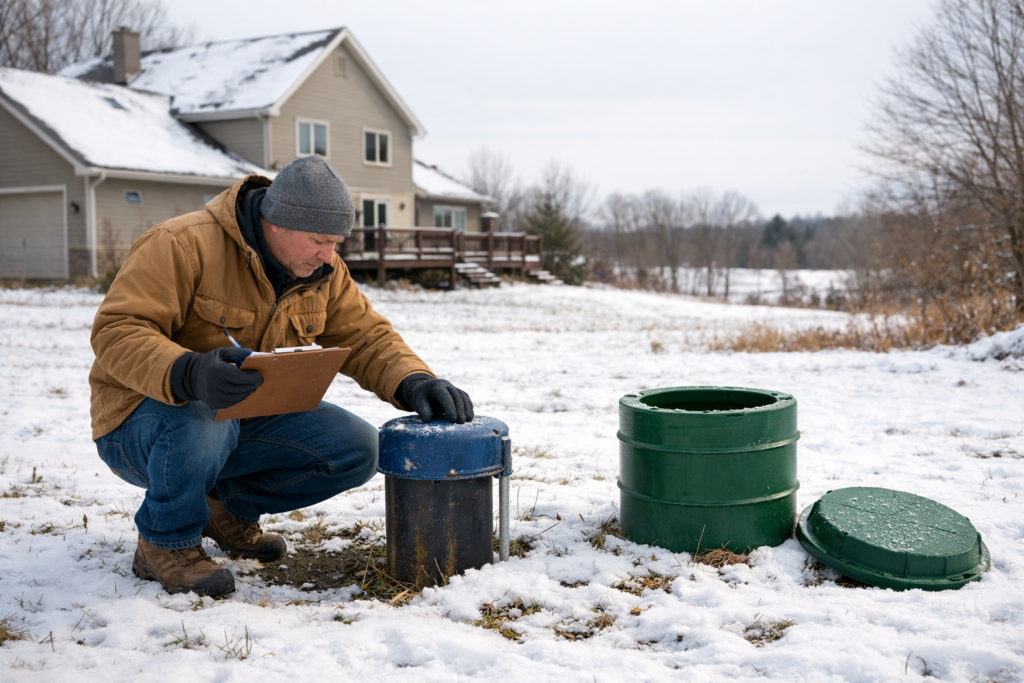
When temperatures drop fast, private water and wastewater systems can become vulnerable in ways many homeowners don’t notice until something stops working. This Winterize Your Well & Septic Before the Freeze: A Homeowner Checklist walks you through practical steps to protect your well, pressure system, and septic components from freezing, backups, and costly mid-winter service calls.
Even if your system handled last winter fine, changes like a colder forecast, a longer vacation, or a higher water table can shift the risk. Use the checklist below to prepare early, confirm what you can DIY, and know when it’s time to bring in a licensed pro.
Why freezing weather is hard on wells and septic systems
Winter problems usually come from a combination of cold air, frost depth, and reduced water flow. Water sitting in shallow lines, exposed risers, or an unheated well house can freeze. Septic systems can struggle when snow cover is thin (less insulation), when soil is saturated, or when household water use changes (like guests over the holidays or leaving the house empty).
- Well system risks: frozen supply lines, frozen pressure switch/line, damaged piping, pump short-cycling if components ice up.
- Septic system risks: frozen pipes to the tank, frozen tank access points/risers, slow drains, backups, and stress on the drainfield.
Winterize Your Well & Septic Before the Freeze: A Homeowner Checklist
Work through these steps in order. If you’re not sure where key parts are located (well head, pressure tank, septic cleanout, tank lid/risers), take 10 minutes to map them now—winter is not the time to guess.
1) Locate and inspect your well head and cap
- Clear vegetation and debris so you can see the well casing and cap.
- Confirm the well cap is secure, sealed, and vented properly. A loose cap can let cold air, pests, or surface water in.
- Check the ground slope around the well: water should drain away from the casing.
Tip: Don’t bury the well head under mulch or soil. It needs to remain accessible and protected from contamination.
2) Protect the well house or exposed components
- If you have a well house, confirm it’s weather-tight (no gaps, broken vents, or missing insulation).
- Insulate exposed piping with foam sleeves and tape seams.
- For extreme climates, use a thermostat-controlled heat source designed for utility spaces (never an open-flame heater).
If your well components are in a crawlspace or basement, make sure vents are managed appropriately for winter and that the area stays above freezing.
3) Check your pressure tank area and look for early warning signs
- Look for dripping fittings, corrosion, or dampness around the pressure tank, pressure switch, and fittings.
- Listen for unusual cycling: rapid on/off can indicate a waterlogged tank or pressure issue that becomes worse in cold weather.
- Confirm the pressure gauge reads normally for your system (many homes are set around 40/60 PSI, but follow your installer’s settings).
Fixing small leaks now can prevent ice buildup and protect electrical components.
4) Insulate and protect vulnerable water lines
- Identify any shallow or exposed line runs (garage, outbuilding, crawlspace, exterior walls).
- Seal air leaks where pipes enter the home.
- Disconnect and drain exterior hoses; shut off and winterize outdoor spigots if you have them.
If you’ve had a line freeze before, consider adding heat tape rated for potable water lines and installed per manufacturer instructions.
5) Mark and maintain access to septic components
- Locate the septic tank lids/risers and any cleanouts.
- Mark them with a discreet stake so you can find them under snow.
- Keep heavy vehicles and plows away from the tank and drainfield area to prevent damage and compaction.
Accessibility matters: if you need service in January, a tech can work faster (and cheaper) if access points are easy to find.
6) Add insulation where it helps (and avoid what hurts)
- Maintain a healthy grass cover over the drainfield for natural insulation.
- In colder regions, a light layer of straw mulch can add insulation over vulnerable areas (ask a local septic pro for best practice in your soil type).
- Avoid compacting snow over the drainfield—snow is an insulator, but compaction can push frost deeper and damage soil structure.
7) Keep water moving (but don’t waste it)
- Fix dripping faucets and running toilets—these can overload the septic system and raise costs.
- During extreme cold snaps, steady normal usage helps keep lines warmer than no-flow conditions.
- If a specific line tends to freeze, talk to a pro about targeted insulation or rerouting rather than relying on constant running water.
For septic health, spread laundry loads across the week rather than doing everything in one day—this reduces hydraulic stress in winter.
8) Schedule pumping and inspections before deep winter (if due)
- If your septic tank is due for pumping soon, schedule it in fall—frozen ground and snow add time and cost.
- Ask for a quick inspection of baffles/tees and effluent filter condition during service.
Staying on a pumping schedule is one of the most reliable ways to prevent winter backups.
9) Plan for vacations or empty-house periods
- If you leave the home unoccupied, keep the heat set high enough to prevent freezing in utility areas.
- Know where the main water shutoff is and test it before winter.
- Consider having a neighbor check the home during extreme cold, especially if you’ve had freezing issues before.
Empty homes are at higher risk because reduced water flow allows lines to cool and freeze faster.
10) Build a quick-response kit
- Keep contact info for a local well contractor and septic service company.
- Store pipe insulation, a hair dryer/heat gun (used carefully), towels, and a wet/dry vac for minor incidents.
- Know your system layout: well head location, pressure tank, septic tank, and drainfield boundaries.
What Most Guides Miss
- Frost depth changes year to year: early cold with little snow can drive frost deeper than a consistently snowy winter.
- Effluent filters need winter-ready attention: a partially clogged filter can show up as “winter slow drains” even when nothing is frozen.
- Driveway snow storage can backfire: piling snow over the drainfield may seem insulating, but melt/refreeze cycles can saturate soil and stress the system.
- Pressure switch lines can freeze: in some setups, a tiny water line to the switch is the weak point—insulate that area, not just the main pipe.
- High seasonal water use: holiday guests and extra laundry can overload a borderline system right when soil is least forgiving.
Key Takeaways
- Insulate and seal exposed well components and vulnerable water lines before the first hard freeze.
- Keep septic access points locatable under snow and protect the drainfield from traffic and compaction.
- Use water wisely in winter—steady, normal flow helps, but avoid overload from leaks and heavy one-day laundry.
- Service before winter (pumping/inspection) if you’re near due to avoid cold-weather emergencies.
When to call a professional
Contact a qualified well or septic professional if you notice any of the following:
- Repeated breaker trips, sputtering water, or no water (possible well/pump or frozen line issue).
- Gurgling drains, sewage odors, slow drains across the home, or wet spots near the tank/drainfield.
- Any sign of contamination risk near the well head (standing water, damage, or an insecure cap).
Conclusion: protect your system before winter hits
Cold-weather failures are stressful, messy, and often preventable with a few hours of preparation. Use this Winterize Your Well & Septic Before the Freeze: A Homeowner Checklist to insulate vulnerable components, keep access points clear, manage winter water use, and schedule service before frozen ground complicates everything. A proactive approach now is the best way to keep water flowing and your septic system stable all season long.
Helpful resource: For additional homeowner education on septic care, visit the U.S. EPA septic systems guide.
Related Posts
- Can You Use a Garbage Disposal with a Septic System? Dos, Don’ts, and Best Practices
- Buying a Home with a Well & Septic: What to Inspect Before You Close
- How Much Does a New Septic System Cost in 2026?