Can You Use a Garbage Disposal with a Septic System? Dos, Don’ts, and Best Practices
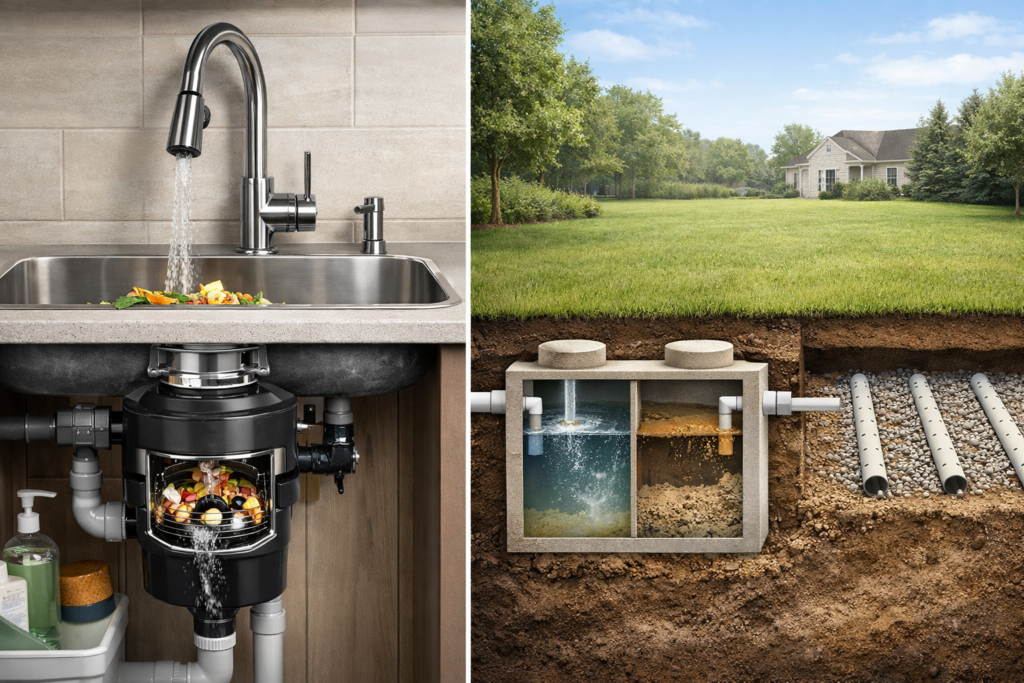
- How a Septic System Works (and Why Extra Solids Matter)
- Can You Use a Garbage Disposal with a Septic System?
- Why Garbage Disposals Can Stress a Septic System
- The Dos: Best Practices for Using a Disposal on Septic
- The Don’ts: What Not to Put Down a Garbage Disposal on Septic
- Septic-Safe Food Waste Strategies (Better Than the Disposal)
- Maintenance Tips If You Use a Disposal with a Septic System
- FAQ: Common Questions Homeowners Ask
- Conclusion: Use It Carefully—or Skip It If Your System Is Sensitive
Many homeowners wonder: can you use a garbage disposal with a septic system without causing backups, odors, or expensive repairs? The short, practical answer is: yes, but you need to be careful. A septic system is designed to handle wastewater and a reasonable amount of organic material, but a garbage disposal can dramatically increase the solids and grease entering the tank.
This guide explains how disposals affect septic systems, what you should and shouldn’t put down the drain, and the best habits to keep everything running smoothly for years.
How a Septic System Works (and Why Extra Solids Matter)
A typical septic system relies on separation and slow biological breakdown:
- In the septic tank, solids settle to form sludge, fats/oils float to form scum, and liquid effluent stays in the middle.
- Bacteria break down a portion of the organic solids over time.
- Effluent flows to the drain field where it’s filtered and treated by soil.
When you add a garbage disposal, you’re sending more ground-up food solids into the tank. Those solids don’t “disappear”—they accumulate as sludge and can increase how often the tank needs pumping. If too much solid material reaches the drain field, it can clog the soil and shorten the system’s life.
Can You Use a Garbage Disposal with a Septic System?
In most cases, you can use a garbage disposal with a septic system if your system is properly sized, in good condition, and you follow best practices. However, it’s not always a great idea for every household.
When It’s Usually Fine
- Your septic tank capacity matches your household size (and isn’t already struggling).
- You’re consistent about scraping plates into the trash/compost first.
- You don’t put grease, fibrous foods, or large amounts of scraps down the disposal.
- You’re willing to pump the tank more frequently if needed.
When You Should Avoid It
- Your system is older, undersized, or has a history of slow drains or backups.
- You have a small tank relative to water usage and occupancy.
- You frequently cook at home and generate lots of food waste.
- You have a sensitive or marginal drain field (slow percolation soils, high water table, previous repairs).
Why Garbage Disposals Can Stress a Septic System
Even though food waste is “organic,” it still creates operational challenges:
- More sludge accumulation: Ground food adds solids that build up faster, increasing pumping frequency.
- Scum layer growth: Fats, oils, and grease (FOG) can thicken the scum layer and contribute to clogs.
- Drain field risk: Extra suspended solids can escape the tank and plug the drain field over time.
- Hydraulic overload isn’t the only issue: You can have normal water use but still overload the tank with solids.
So when people ask, can you use a garbage disposal with a septic system, the real issue is whether you can control what goes in and how much.
The Dos: Best Practices for Using a Disposal on Septic
If you choose to use a disposal, these habits greatly reduce the risk of trouble.
Do scrape and sort first
Make the trash can and compost bin your first stop. Use the disposal only for small residue—think what’s left after scraping, not the main destination for leftovers.
Do use plenty of cold water
Run cold water before, during, and for 15–30 seconds after grinding. Cold water helps keep fats more solid so they’re less likely to coat pipes (but it’s still best to keep fats out entirely).
Do grind in small batches
Feed small amounts at a time. This prevents jams and keeps solids from rushing into the tank in a big slug.
Do keep your tank pumped on schedule (and adjust if needed)
With a disposal, many households need more frequent pumping. A general rule is to inspect regularly and pump based on measured sludge/scum levels rather than guessing. If you add a disposal and notice faster buildup, shorten the interval.
Do consider a high-efficiency disposal (and maintain it)
Well-maintained, efficient units can grind more consistently and reduce the chance of large particles. Regardless of model, keep blades clean and avoid harsh chemicals that can disrupt tank bacteria.
The Don’ts: What Not to Put Down a Garbage Disposal on Septic
Some items are notorious for causing clogs, increasing scum, or resisting breakdown. If you’re asking can you use a garbage disposal with a septic system, the most important part is following these “don’ts.”
Don’t put fats, oils, and grease (FOG) down the drain
Grease can solidify in pipes, increase the scum layer, and contribute to blockages. Pour grease into a container, let it cool, and dispose of it in the trash.
Don’t grind fibrous or stringy foods
- Celery
- Corn husks
- Onion skins
- Artichokes
Fibers can wrap around the disposal mechanism and also persist as solids in the septic tank.
Don’t send starchy foods in volume
- Rice
- Pasta
- Potato peels
Starches can swell, form pastes, and increase solids rapidly. A few stray bits are one thing; dumping a pot of pasta is another.
Don’t grind coffee grounds or eggshells
Coffee grounds behave like sediment and build sludge. Eggshells can contribute to gritty buildup. Both are better suited for compost or trash.
Don’t treat the disposal like a trash can
Large volumes of food waste are the fastest way to overwhelm a septic tank with solids. If you routinely rely on the disposal for leftovers, you’re increasing the odds of needing frequent pumping or facing drain field issues.
Septic-Safe Food Waste Strategies (Better Than the Disposal)
If your goal is to reduce kitchen trash while protecting your system, consider alternatives:
- Composting: Great for vegetable scraps, coffee grounds, and eggshells.
- Food scrap collection: Many communities offer organics pickup or drop-off.
- Strainers in sink drains: Catch solids before they reach the plumbing.
These options reduce septic load while still keeping your kitchen manageable.
Maintenance Tips If You Use a Disposal with a Septic System
Using a disposal means you should be more proactive about system health.
Watch for early warning signs
- Slow drains or frequent gurgling
- Sewage odors indoors or outdoors
- Wet spots or unusually green patches near the drain field
- Backups in lowest drains
These may indicate a full tank, a clog, or drain field stress—issues that can worsen quickly if ignored.
Avoid harsh drain cleaners and unnecessary additives
Strong chemical drain cleaners can harm beneficial bacteria and may damage plumbing. Many septic “miracle” additives are unnecessary. The most reliable approach is smart input control (what goes down the drain) and routine pumping/inspection.
Spread out water use
While solids are the main concern with disposals, water surges can still push particles out of the tank too quickly. Stagger laundry loads and fix leaks to avoid overloading the system.
FAQ: Common Questions Homeowners Ask
Will a garbage disposal ruin my septic system?
Not automatically. But it can shorten pumping intervals and increase the risk of problems if you put the wrong items down or overload the system with food waste.
Do I need to pump my septic tank more often if I have a disposal?
Often, yes. How much more often depends on tank size, household size, and disposal habits. Regular inspections help you set the right schedule.
Is there a “septic-safe” garbage disposal?
Some disposals market septic-friendly features, but no unit changes the basic fact that more solids enter the tank. The best protection is limiting what you grind and how much.
Conclusion: Use It Carefully—or Skip It If Your System Is Sensitive
So, can you use a garbage disposal with a septic system? Yes—if you treat it as a convenience for small scraps, not a substitute for the trash or compost. Focus on minimizing solids, keeping grease out, using plenty of water, and staying on top of inspections and pumping. If your septic system is older, undersized, or already showing warning signs, skipping the disposal (or using it extremely sparingly) is often the safest, most cost-effective choice.
If you’re unsure about your tank size, drain field condition, or pumping interval, consider scheduling a professional inspection to get guidance tailored to your home.