Septic Tank Repair in Wilmington NC: Signs, Costs, Permits, and How to Hire the Right Pro
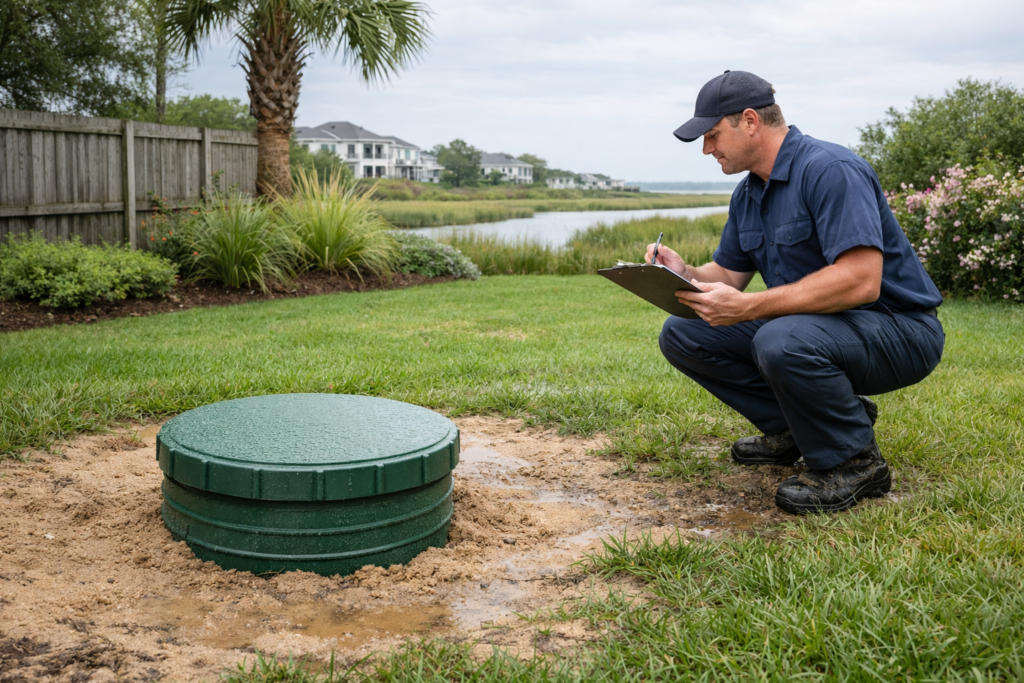
Septic Tank Repair in Wilmington NC
Septic Tank Repair in Wilmington NC is often time-sensitive: a small backup or soggy patch can turn into property damage, health risks, and expensive landscape repairs if you wait. Coastal Carolina conditions—sandy soils, a sometimes high water table, and heavy rain events—can stress drainfields and expose weak spots in lids, risers, and plumbing connections. This guide walks Wilmington homeowners through what repairs usually involve, what influences pricing, and how to choose a qualified pro for long-lasting results.
If you’re troubleshooting a similar issue, this guide may help: Septic Tank Repair in Charlotte NC: Costs, Permits, and How to Hire the Right Pro. For background reading from a trusted source, see EPA guidance on septic systems.
What to Expect
Most septic repairs start with diagnosis, not digging. A reputable contractor will confirm whether the issue is inside plumbing, the tank, the pump (if you have one), or the drainfield. In Wilmington, quick turnarounds matter because wet weather can saturate soils and make symptoms look worse than they are.
- Initial call & triage (same day–2 days): questions about backups, odors, alarms, wet spots, recent rain, and last pump-out.
- Site visit & testing (1–3 hours): locating tank and lines, checking scum/sludge levels, inspecting baffles, lids, risers, and distribution components; pump chamber checks for alarm/pump systems.
- Repair plan & estimate (same day–48 hours): options may include baffle replacement, lid/riser sealing, pipe repair, pump replacement, or drainfield troubleshooting.
- Repair & verification (half day–2 days): repair completion followed by functional checks (flow test, pump cycling, or water-use verification).
Uncommon but practical insight: after big Wilmington rainstorms, many “septic failures” are actually temporary hydraulic overload. A good pro will factor in recent rainfall and groundwater conditions before recommending major work.
Common Problems We See
- Sewage odors outdoors near the tank or drainfield (often from cracked lids, leaking risers, or venting issues).
- Slow drains or gurgling (can be a mainline clog, a full tank, or a saturated drainfield).
- Wet, spongy grass or standing water above the drainfield—especially after rain.
- Septic alarm sounding (common with pump systems; could be pump failure, float switch issues, or a blocked discharge line).
- Backups into tubs/showers (urgent—stop water use and call for help).
- Broken or sunken lids/risers (safety hazard; can also let stormwater into the tank).
- Root intrusion in older lines or around distribution components.
Uncommon but practical insight: in coastal areas, a leaky riser seal can let stormwater enter the tank, raising liquid levels and causing symptoms that mimic a failing drainfield. Sealing and grading improvements can sometimes prevent repeat issues.
Typical Costs & Pricing Factors
Pricing varies widely based on access, soil conditions, system type, and whether the drainfield is involved. The ranges below are estimates for homeowners comparing options—your site conditions and local requirements will determine the final number.
- Diagnostic visit / troubleshooting: typically a few hundred dollars (often credited toward repair).
- Pumping (if needed for inspection or repair): commonly several hundred dollars; larger tanks cost more.
- Lid/riser repair or replacement: often a few hundred to over a thousand depending on materials and excavation.
- Baffle repair/replacement: typically several hundred to around a couple thousand depending on tank type and access.
- Pipe repairs (inlet/outlet, line replacements): can range from several hundred to several thousand based on trenching length and obstacles.
- Effluent pump or float replacement: typically several hundred to a few thousand depending on pump specs and electrical work.
- Drainfield repairs or partial rebuild: often several thousand to five figures; full replacements can be higher.
What drives cost in Wilmington:
- High water table & saturated soils: dewatering needs, limited work windows, and extra stabilization can raise labor costs.
- System type: pump-assisted, aerobic, or advanced treatment systems have more components (and more failure points) than gravity systems.
- Access: buried tanks without risers, landscaping/hardscape obstacles, and tight lots increase excavation time.
- Code/permit requirements: some repairs trigger inspections or engineered plans, especially if drainfield work is involved.
Uncommon but practical insight: if your tank is hard to locate or deeply buried, adding risers to grade during a repair can reduce future service costs and prevent “emergency digging” during storms.
Permits, Inspections, and Local Considerations
Septic work in North Carolina can involve county or state oversight depending on the type of repair. Minor component fixes (like replacing a pump or resealing a lid) may not require the same permitting as drainfield alterations—but it’s important to confirm before work begins.
- Repairs vs. modifications: replacing like-for-like components is often simpler than changing system design or expanding capacity.
- Drainfield work: anything that changes the disposal field typically involves permitting and may require a site evaluation.
- Coastal conditions: Wilmington’s sandy soils can drain well, but high groundwater and heavy rains can reduce treatment capacity and make siting/repair constraints more strict.
- Setbacks & easements: property lines, wells (if any), surface water, and structures can limit repair options on smaller lots.
Uncommon but practical insight: if you’re near tidal creeks or low-lying areas, ask your pro how they account for seasonal groundwater—a drainfield that “passes” in a dry month can struggle during wet seasons. A responsible plan considers worst-case conditions.
How to Choose the Right Pro
Use this checklist to compare septic contractors and avoid overpaying—or worse, paying twice.
- Clear diagnostics: they explain what they’re testing (tank levels, baffles, pump cycles, distribution) and why.
- Written estimate: includes scope, parts, disposal/pumping fees, restoration notes, and timeline.
- Local familiarity: experience with Wilmington-area soil and groundwater challenges.
- Permitting clarity: they state whether permits/inspections are needed and who pulls them.
- Safe excavation practices: utility locating, tank lid safety, and proper backfilling/compaction.
- Warranty & documentation: provides parts warranty info, work warranty (if offered), and photos of key findings.
Uncommon but practical insight: ask whether they’ll check for inflow sources (downspouts, yard drains, leaking toilets) that overload the system—fixing the septic without stopping excess water can cause repeat failures.
Questions to Ask Before You Hire
- What’s your step-by-step plan to diagnose the issue before recommending repairs?
- Will you inspect the inlet/outlet baffles and the condition of the tank walls?
- Do you expect this to be a tank issue, a pump issue, or a drainfield issue—and what evidence supports that?
- If pumping is recommended, is it required for access/inspection or just maintenance?
- Will you install or replace risers/lid seals to prevent stormwater infiltration?
- Do permits or inspections apply for this repair in my area?
- How will you protect landscaping and restore the disturbed area?
- What are the signs the repair worked, and what should I watch for over the next 2–4 weeks?
FAQ
How do I know if I need septic tank pumping or an actual repair?
If the tank is overdue for service, pumping can resolve symptoms caused by high solids. If issues return quickly, or if baffles, pumps, or lines are damaged, repairs may be needed.
Is it safe to use water when my system is backing up?
No. Reduce or stop water use to prevent sewage overflow. Call a septic pro promptly; backups can create health hazards and damage floors and fixtures.
Can heavy rain in Wilmington cause septic problems?
Yes. Saturated soil can slow drainfield absorption, and stormwater infiltration through bad lids/risers can overload the tank. A pro should consider weather and groundwater during diagnosis.
Do septic repairs require permits in North Carolina?
Some do—especially repairs involving the drainfield or system design changes. Minor component swaps may be simpler, but always confirm with your contractor and local requirements.
What if my house has a pump and an alarm?
Alarms often indicate a high-water condition in the pump chamber. Common causes include a failed pump, stuck float, tripped breaker, or a blocked discharge line. Avoid resetting repeatedly without diagnosis.
How can I prevent repeat septic repairs?
Fix leaks, route gutters away from the system, avoid driving over the tank/field, pump on schedule, and use water efficiently—especially during wet periods when the soil is already saturated.
Key Takeaways
- Septic Tank Repair in Wilmington NC often starts with careful diagnosis—many symptoms overlap between plumbing, tank, pump, and drainfield issues.
- Coastal rain and groundwater can temporarily overload systems, so timing and testing matter.
- Costs depend heavily on access, system type, and whether drainfield work is required (estimates range from hundreds to five figures).
- Ask about permits, stormwater infiltration, and long-term fixes like risers-to-grade.
Conclusion: If you’re dealing with odors, alarms, or backups, Septic Tank Repair in Wilmington NC is best handled quickly and methodically—confirm the cause, understand permit requirements, and hire a pro who documents findings and prioritizes durable repairs over guesswork.