Septic Tank Repair in Pensacola FL: Costs, Permits, and How to Hire the Right Pro
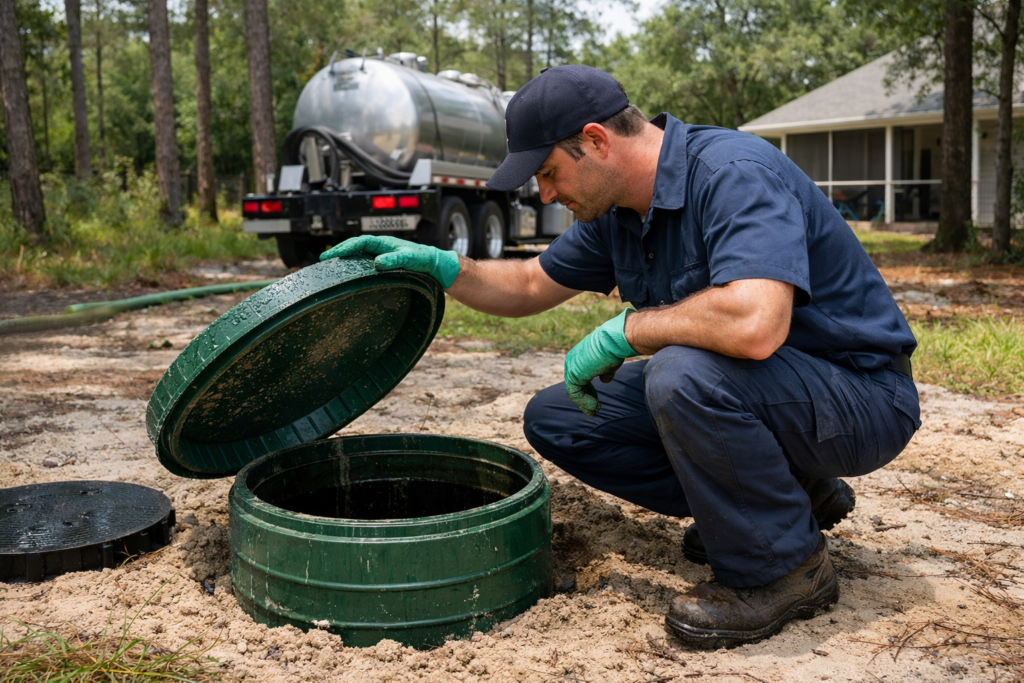
Septic Tank Repair in Pensacola FL
If you’re dealing with backups, slow drains, or soggy patches in the yard, Septic Tank Repair in Pensacola FL is often time-sensitive. Pensacola’s mix of sandy soils, pockets of high groundwater, and intense summer downpours can turn a small septic issue into a bigger health and property problem if it’s ignored. This guide explains what repairs typically involve, what pricing depends on, what local rules may apply, and how to choose a contractor who can fix the cause—not just the symptoms.
If you’re troubleshooting a similar issue, this guide may help: Septic Repair in Houston, TX: Find the Right Pro, Avoid Costly Backups. For background reading from a trusted source, see EPA guidance on septic systems.
What to Expect
Most septic repair projects start with confirming where the failure is (tank, baffles, pump, distribution box, pipes, or drainfield) and why it happened (hydraulic overload, roots, broken components, poor drainage, or age). A reputable pro will typically schedule:
- Initial evaluation (same day to a few days): site walk-through, symptom review, and basic checks (tank access, scum/sludge level, effluent filter, alarms).
- Diagnostics (1–7 days depending on complexity): camera inspection of lines, tank integrity checks, pump testing, and sometimes a hydraulic load test. If drainfield failure is suspected, soil conditions and groundwater clues matter.
- Repair work (same day to several days): component replacement, line repair, baffle work, pump or float replacement, D-box leveling, or partial drainfield repair.
- Inspection/closeout (varies): if a permit is required, plan for an inspection step before the system is covered back up.
Uncommon but practical insight: In coastal Florida, heavy rain can temporarily raise the water table enough to mimic a “failed drainfield.” A good contractor will look for patterns (worse after storms) before recommending major excavation.
Common Problems We See
- Effluent filter clogs: causes slow drains and occasional backups; often overlooked because the tank was “pumped recently.”
- Broken or missing baffles: allows solids to reach the drainfield and shorten its life.
- Cracked tank lids/risers: can let in stormwater (hydraulic overload) or create safety hazards.
- Root intrusion: common near older clay or compromised lines; can repeatedly clog the main line to the tank or the outlet line.
- Distribution box (D-box) issues: settling or being out of level can send too much flow to one trench, causing uneven failure.
- Pump/float failures in aerobic or mound systems: alarms, sewage odors, or surfacing effluent can follow quickly.
- Drainfield saturation after heavy rain: can cause gurgling and slow drainage even when the tank is fine.
Uncommon but practical insight: If a system is backing up only when multiple fixtures run (laundry + shower), the issue may be hydraulic capacity rather than a single clog. Simple habit changes (spacing laundry loads) can buy time while you schedule repairs.
Typical Costs & Pricing Factors
Pricing varies widely by system type, access, soil conditions, and whether excavation is required. The ranges below are estimates for homeowners budgeting in the Pensacola area; your quote may differ.
- Diagnostic visit / troubleshooting: ~$150–$500 (estimate), depending on testing and scope.
- Septic line snaking / jetting: ~$200–$600 (estimate); camera inspection may add ~$200–$500.
- Effluent filter cleaning/replacement: ~$150–$400 (estimate).
- Baffle repair/replacement: ~$300–$1,200 (estimate), based on tank material and access.
- Riser/lid replacement and sealing: ~$250–$1,000+ (estimate). Safety and watertightness matter.
- D-box repair/leveling: ~$500–$1,500 (estimate), usually involves digging.
- Pump, floats, or controls (if applicable): ~$700–$2,500 (estimate), depending on parts and electrical work.
- Partial drainfield repair: ~$2,000–$8,000 (estimate).
- Full drainfield replacement: often ~$6,000–$20,000+ (estimate), strongly affected by permitting, site constraints, and system design.
Pricing factors unique to this region: sandy soils can drain well but may slump during excavation; high groundwater or saturated conditions can require additional steps (dewatering, alternative designs). Limited lot size, coastal setbacks, or existing landscaping/irrigation lines can also drive labor up.
Uncommon but practical insight: Ask whether the quote includes return compaction and final grading. In sandy yards, poor backfill compaction can create low spots that funnel rainwater toward the tank area—adding stress to the system later.
Permits, Inspections, and Local Considerations
Many septic repairs—especially those involving drainfield modifications, tank replacement, system type changes, or significant component relocation—can require permits and inspections in Florida. Requirements can vary by the type of repair and local jurisdiction, and the state’s environmental and health rules may apply. A qualified contractor should be able to explain:
- When a permit is required: drainfield work, new tanks, major line replacement, or system upgrades often trigger permitting.
- Inspection timing: some work must be inspected before it’s covered.
- Site constraints: setbacks from wells, surface water, buildings, and property lines; lot size and easements may limit options.
- Groundwater and storm season planning: rainy periods can delay excavation and inspections, and can make diagnosing drainfield performance tricky.
If you’re in a flood-prone area or have frequent standing water after storms, mention it early. That context can influence whether a repair is likely to last or whether a more resilient design is needed.
Uncommon but practical insight: If your system has an alarm, test the alarm and floats during the service visit. Many “mysterious” overflows start as a float switch stuck in the on/off position—cheap to fix compared to cleanup.
How to Choose the Right Pro
Use this checklist to hire someone who can troubleshoot accurately and repair to code—not just pump and leave.
- Starts with diagnosis: explains likely failure points and confirms them with testing (not guesswork).
- Understands your system type: conventional gravity, aerobic, pump-assisted, mound, or alternative system.
- Clear, written scope: what’s included, what’s excluded, and how surprises (collapsed lines, groundwater) are handled.
- Permitting support: confirms if a permit is needed and who is responsible for pulling it.
- Protects the site: marks utilities, protects landscaping where possible, and plans safe access for equipment.
- Explains prevention: gives practical next steps (filter maintenance, pumping intervals, water-use adjustments).
Questions to Ask Before You Hire
- What do you think is the most likely cause, and what tests will you run to confirm it?
- Will you check the baffles and effluent filter as part of the service?
- Do you anticipate a permit or inspection for this specific repair?
- How will you locate and verify the distribution box and drainfield condition?
- What’s the plan if you find groundwater in the excavation?
- Will you provide photos of the problem and the completed repair?
- Do you warranty workmanship, and for how long?
FAQ
How do I know if I need septic repair or just pumping?
Pumping removes solids but doesn’t fix broken baffles, clogged filters, failing pumps, or saturated drainfields. If symptoms return quickly after pumping, a repair diagnosis is likely needed.
Is it safe to use drain cleaners or “septic additives” for a backup?
Chemical drain cleaners can damage plumbing and may disrupt system biology. Additives rarely fix mechanical failures. For backups, reduce water use and schedule a proper inspection.
Why is my yard wet near the drainfield after rain?
In Pensacola’s stormy periods, a temporarily high water table can prevent effluent from dispersing. If wet spots persist in dry weather or smell like sewage, treat it as urgent.
Can a distribution box really cause a drainfield to fail?
Yes. If the D-box is out of level or clogged, it can overload one trench while others sit unused, leading to early failure. Leveling or repairing it can restore balance in some cases.
What should I do immediately if sewage backs up into the house?
Stop using water (toilets, showers, laundry), keep people and pets away from affected areas, and call a septic professional. If there’s indoor contamination, consider a cleanup specialist.
How can I make a repair last longer?
Stay on a pumping schedule, clean/replace the effluent filter as recommended, fix running toilets, spread out laundry loads, and keep heavy vehicles off the drainfield area.
Key Takeaways
- Septic Tank Repair in Pensacola FL often hinges on accurate diagnosis—filters, baffles, D-boxes, and pumps are common culprits.
- Heavy rain and high groundwater can mimic drainfield failure; pattern-based troubleshooting matters.
- Costs range from a few hundred dollars for component fixes to five figures for major drainfield work (estimates).
- Permits and inspections may apply for drainfield or major repairs—ask early to avoid rework.
- Choose a pro who documents findings, explains options, and provides a clear written scope.
When you need Septic Tank Repair in Pensacola FL, prioritize contractors who test first, explain your options plainly, and account for local factors like storm season, sandy soils, and groundwater swings. The right repair plan protects your home, your yard, and your long-term septic costs.
Request septic repair quotes or compare local septic professionals to get a clear scope and timeline before the problem worsens.