Septic Tank Repair in Nashville TN: Costs, Permits, and How to Hire the Right Pro
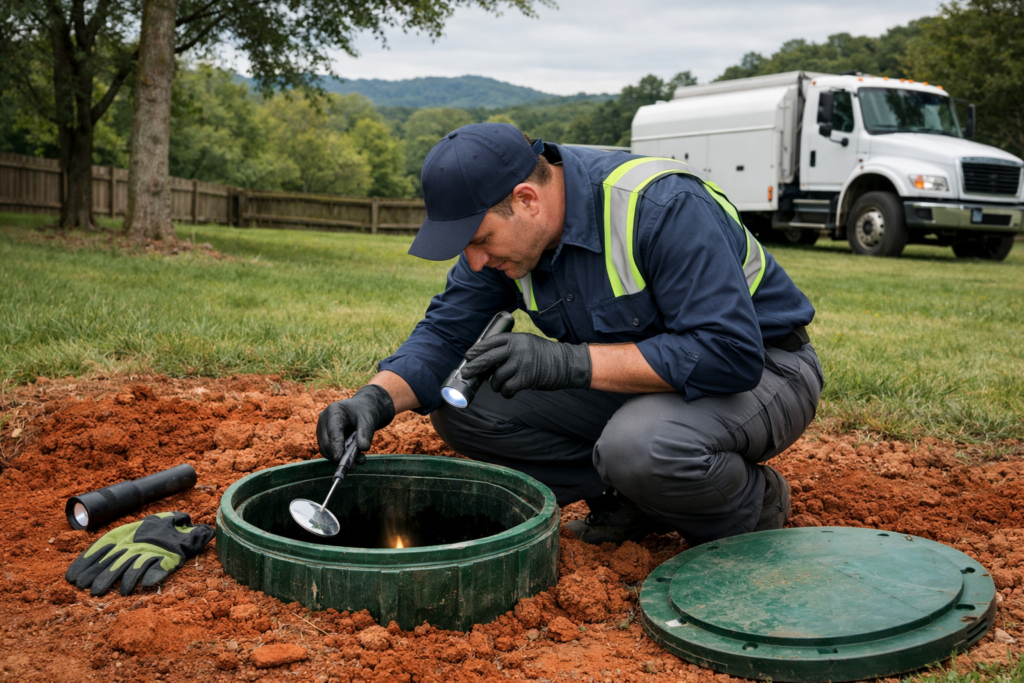
Septic Tank Repair in Nashville TN
Septic Tank Repair in Nashville TN is often urgent—odors, slow drains, soggy yards, or backups don’t wait for a convenient weekend. Nashville’s mix of clay-heavy soils, rolling lots, and seasonal downpours can make small system issues escalate fast if they’re ignored. This guide walks homeowners through what repairs typically involve, what they cost, how local rules affect timelines, and how to choose a qualified septic professional.
If you’re troubleshooting a similar issue, this guide may help: Septic Repair in Knoxville, TN: Costs, Permits, and How to Hire the Right Pro. For background reading from a trusted source, see EPA guidance on septic systems.
What to Expect
Most Septic Tank Repair in Nashville TN jobs fall into two tracks: (1) diagnosing the cause (tank, baffles, lid, pump, lines, or drainfield) and (2) completing a targeted repair or recommending a larger corrective plan. Timelines vary by access, weather, and whether permits are needed.
- Same day to 2 days: Initial inspection, locating tank/lid, checking baffles, verifying liquid levels, dye tests, and basic line checks.
- 1–3 days: Common repairs like replacing a broken lid, sealing risers, fixing an effluent filter, repairing a short section of pipe, or servicing pumps/alarms.
- Several days to weeks: Drainfield or major component repairs that require permitting, inspections, engineered plans, or dry-weather scheduling.
Uncommon but important insight: Many “emergency” calls are caused by a clogged effluent filter or crushed outlet line—repairs that can look like a failed drainfield until someone checks the tank internals and outlet elevation.
Common Problems We See
- Wet spots or spongy lawn: Could indicate saturated drainfield, broken line, or surface water intrusion after heavy rain.
- Gurgling drains / slow flushing: Often a sign of restriction at the outlet baffle, effluent filter, or a partially blocked main line.
- Sewage odors near the tank: Frequently tied to cracked lids, missing riser seals, or venting issues—especially after mowing or landscaping disturbs the area.
- Backups into tubs or floor drains: Can occur when the tank is overfull, the pump fails (on pump systems), or the drainfield can’t accept effluent.
- Alarm sounding: Usually related to pump failure, float switch issues, or high water in the pump chamber.
Practical insight: In Nashville, clay soils can compact easily. Parking vehicles or placing a dumpster over the tank or drainfield is a common cause of crushed pipes and reduced soil absorption—damage that may not show up until the next wet season.
Typical Costs & Pricing Factors
Pricing varies widely by system type (gravity vs. pump), accessibility, and whether the drainfield is involved. The ranges below are estimates for homeowner planning, not quotes.
- Diagnostic visit / inspection: ~$150–$450 (more if locating/exposing buried lids is required)
- Septic tank pumping (often bundled with repair troubleshooting): ~$350–$650
- Effluent filter cleaning/replacement: ~$150–$400
- Lid/riser replacement or sealing: ~$300–$1,200 depending on depth and parts
- Minor pipe repair (short trench run): ~$500–$2,000
- Pump, floats, and alarm repairs: ~$450–$2,500 depending on pump type and chamber access
- Drainfield repairs/partial replacement: ~$3,000–$15,000+ (can be higher with difficult sites or engineered designs)
Key pricing factors include tank depth, whether lids must be located, soil saturation, equipment access on tight lots, the need for engineered plans, and whether the repair must be scheduled around rain events.
Practical insight: If your lids are buried deep, adding risers during a repair can reduce future service costs and speed up emergency response—especially when the ground is muddy and crews can’t spend hours probing.
Permits, Inspections, and Local Considerations
Septic Tank Repair in Nashville TN may trigger permits depending on what’s being changed. Simple maintenance (like pumping) usually doesn’t require permitting, but repairs that modify the system design, replace major components, or involve the drainfield often do.
- Regulatory oversight: In the Nashville area, septic rules and approvals typically involve county health/environmental departments. If you’re within Metro Nashville/Davidson County, verify local requirements before work begins.
- Site constraints: Nashville’s terrain and variable soils can affect trench stability and how quickly a drainfield absorbs. Clay soils may hold water longer after storms, delaying inspections or backfilling.
- Water table & runoff: Low-lying areas and creek-adjacent properties can see seasonal saturation. A good contractor will evaluate surface drainage (gutters, swales, grading) because runoff directed toward the drainfield can mimic “system failure.”
- Separation distances: Repairs may need to maintain setbacks from wells (if present), property lines, and structures. This is a frequent issue on older lots where additions, patios, or pools were installed after the septic system.
Practical insight: If your home was built decades ago, the original septic permit and as-built drawing (if available) can save hours of exploratory digging. Ask the pro whether they can help you locate records or map components during the visit.
How to Choose the Right Pro
- Confirm they service your system type: Gravity, pump, aerobic, or advanced treatment units require different troubleshooting.
- Ask about diagnostics before excavation: Look for a process that includes tank level checks, inlet/outlet inspection, filter evaluation, and dye testing when appropriate.
- Request a written scope: It should define what will be repaired, what’s excluded, and what findings could change the plan.
- Discuss protecting your yard: Ask how they’ll access the tank, manage spoils, and restore grade to prevent ponding over the drainfield.
- Verify permitting approach: A reputable contractor will tell you if a repair needs approval and how inspections will be scheduled.
- Prioritize clear communication: The best pros explain failure modes in plain language and show photos of baffles, filters, and tank conditions.
Practical insight: Be cautious of anyone who declares “the drainfield is dead” without opening the tank and checking outlet conditions. A clogged outlet, broken baffle, or failed pump can cause the same symptoms.
Questions to Ask Before You Hire
- What diagnostics will you perform before recommending excavation or drainfield work?
- Will you open the tank and inspect baffles, outlet, and effluent filter?
- Do you expect this repair to require a permit or inspection in my area?
- What risks could change the price (buried lids, saturated soil, unknown piping routes)?
- Can you provide photos or documentation of the issue and completed repair?
- What maintenance steps should I follow after the repair (pumping interval, filter cleaning)?
- If a pump is involved, how do you size the replacement and verify float settings?
FAQ
How do I know if I need septic repair or just pumping?
If symptoms improve after pumping, you may have been overdue for service. If problems return quickly, the issue could be a blocked outlet, failing pump, damaged line, or drainfield saturation.
Is it safe to use water while waiting for service?
Limit water use immediately—short showers, avoid laundry/dishwasher cycles, and don’t run multiple fixtures. Excess water can push a marginal system into a backup.
Can heavy rain cause septic problems in Nashville?
Yes. Saturated clay soils and runoff directed toward the drainfield can reduce absorption and cause slow drains or surfacing effluent. Improving surface drainage can be part of the fix.
What does a septic alarm mean?
Most commonly, it indicates high water in a pump chamber due to a failed pump, stuck float, or blockage. Silence the alarm only if instructed—then schedule prompt service.
Should I use septic additives to fix a failing system?
Additives rarely solve mechanical failures and won’t restore a damaged or saturated drainfield. Focus on proper pumping, water-use reduction, and professional diagnosis.
Can tree roots damage septic lines?
Roots can infiltrate older pipes or joints, especially near the tank or along the main line. A pro may recommend line inspection and targeted repair rather than widespread excavation.
Key Takeaways
- Septic Tank Repair in Nashville TN often starts with a careful diagnosis—many “failures” are fixable outlet, filter, or pump issues.
- Clay soils and stormwater runoff can worsen symptoms; drainage around the drainfield matters.
- Costs vary from a few hundred dollars for minor repairs to five figures for drainfield work (estimates).
- Permits and inspections may apply when components or drainfields are replaced—confirm local requirements early.
If you’re dealing with backups, odors, or wet spots, schedule a qualified evaluation soon. The right Septic Tank Repair in Nashville TN professional will document findings, explain options clearly, and help you prevent repeat issues with smart maintenance and drainage improvements.